Trusted by 150+ Homeowners
Sewer Backup Water Removal in Rincon Valley, AZ
- Over 150 5-Star Reviews
- Free Estimates and Quotes
- 100% Satisfaction Guaranteed
- Child, Family & Pet Safe Steps
- 24-Hour Emergency Service
- Fully Licensed & Insured
Water Rising in Your Home: Don’t Wait to Act
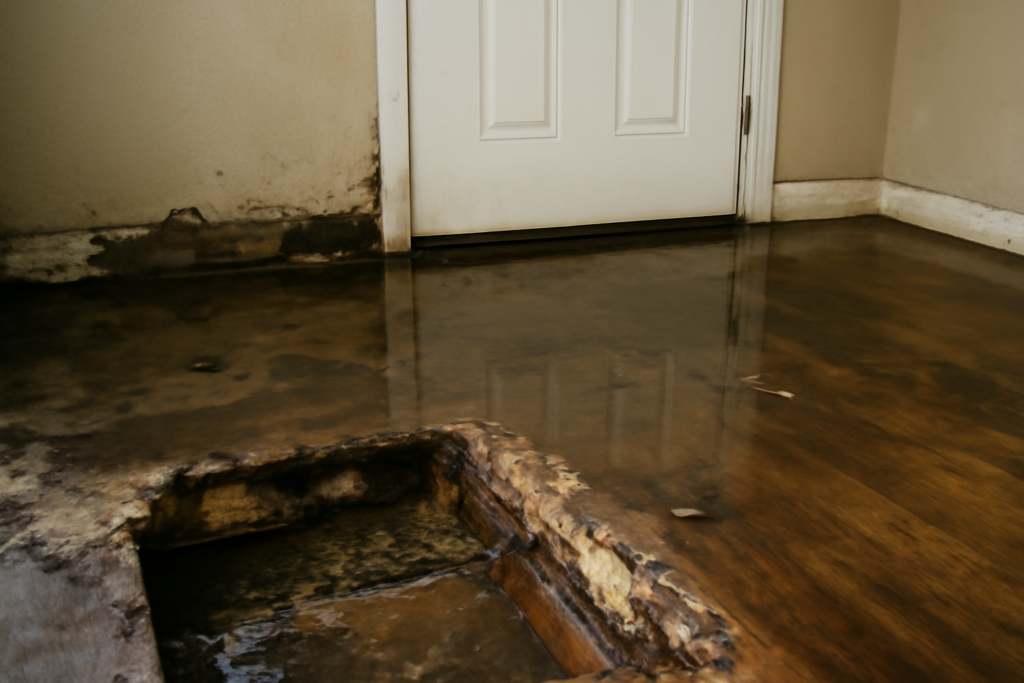
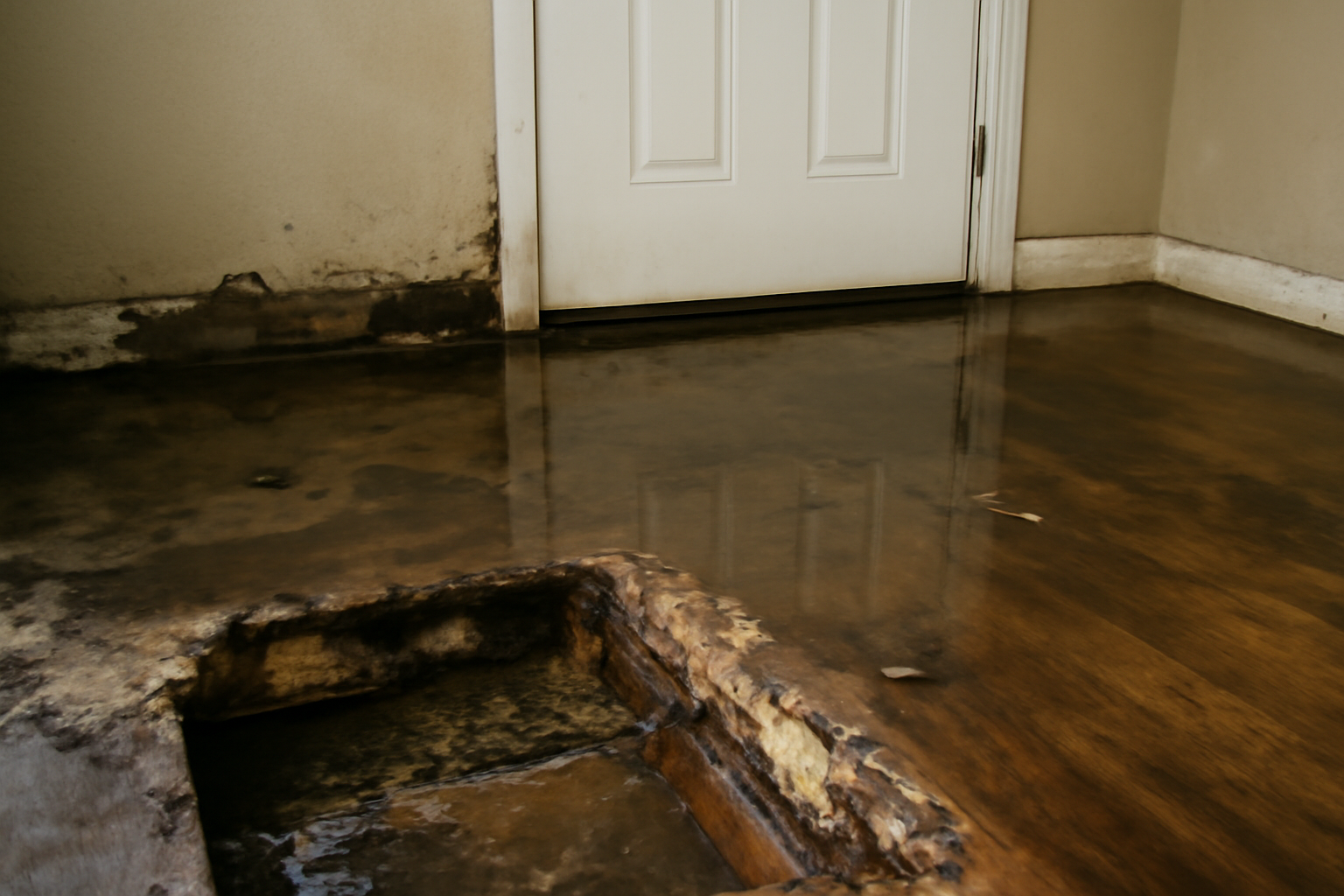
Imagine you’re in the middle of dinner when you notice water seeping from the walls. It’s a slow trickle at first, but within minutes, it’s a steady stream. You’re in Rincon Valley, AZ, and you know that sewer backups can happen to anyone. Your kitchen is flooded with up to 2 inches of standing water, and you can hear the sound of water rushing through the pipes. The smell is musty and overwhelming. What do you do next?
Homeowners in the area trust our team to handle these types of emergencies. We’ve helped over 165+ homeowners, and their reviews speak for themselves. Our technicians have the training and equipment to tackle even the toughest sewer backup jobs.
- Our process begins with a thorough inspection of your property to identify the source of the backup.
- We use specialized equipment to remove the water and dry out the affected areas.
- Our technicians have IICRC certification, which ensures they can handle even the most complex water removal jobs.
How We Remove Sewer Backup Water
Removing sewer backup water needs a specific set of skills and equipment. Our team uses a combination of specialized pumps and drying equipment to remove the water and dry out the affected areas. This process typically takes 3-5 days to complete, depending on the severity of the backup and the size of the affected area.
Step 1: Inspection and Assessment
Our technicians will inspect your property to identify the source of the backup and assess the extent of the damage. We’ll use moisture readings to find out the level of water saturation in the affected areas.
Step 2: Water Removal
We’ll use specialized pumps to remove the water from your property. Our equipment is designed to handle even the toughest water removal jobs, and our technicians will work quickly to reduce the damage.
Step 3: Drying and Dehumidification
Once the water has been removed, we’ll use drying equipment to dry out the affected areas. This process involves using specialized fans and dehumidifiers to remove excess moisture from the air.
Step 4: Sanitizing and Disinfecting
Our technicians will sanitize and disinfect the affected areas to prevent the growth of bacteria and other microorganisms. This is an important step in preventing the spread of illness and reducing the risk of further damage.
Don’t wait to act if you’re dealing with a sewer backup. Our team is available 24/7 to help you get back on your feet.
Warning Signs You Need Sewer Backup Water Removal
Catching these signs early can save you money and prevent bigger problems down the line. Be aware of the following warning signs:
Musty Odors That Won’t Go Away
Strong, unpleasant odors can show that you have a sewer backup. Don’t ignore these odors, as they can be a sign of a bigger problem.
Warped or Buckled Flooring
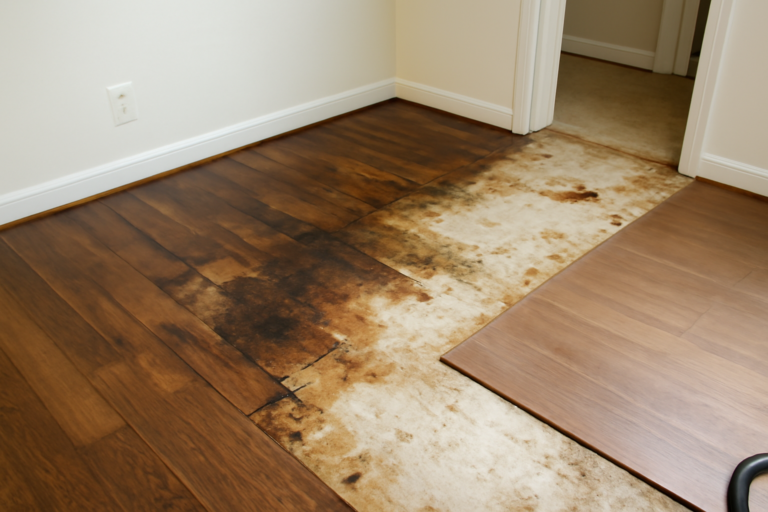
If your flooring is warped or buckled, it may be a sign that you have a sewer backup. This can be a costly problem to repair, so it’s essential to act quickly.
Standing Water
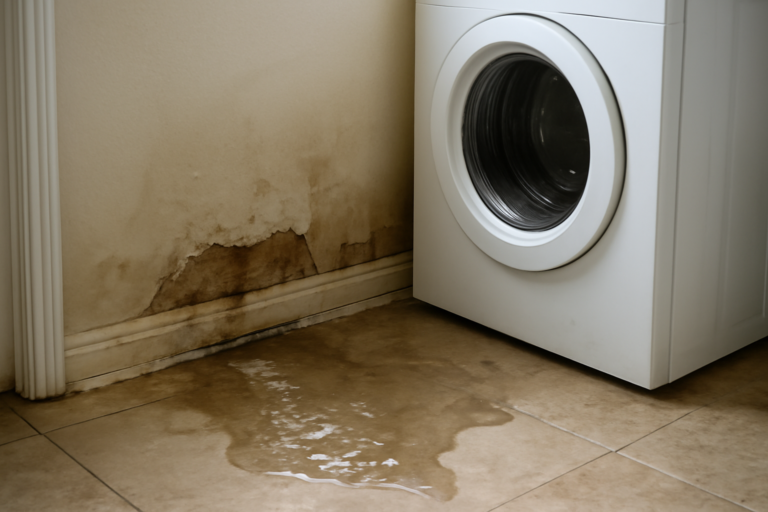
Standing water in your home can be a sign of a sewer backup. Don’t try to clean it up yourself, as this can spread the damage and make it harder to repair.
Slow-Draining Drains
Slow-draining drains can be a sign of a sewer backup. If you notice that your drains are taking longer than usual to drain, it’s essential to act quickly.
Backed-Up Toilets
Backed-up toilets can be a sign of a sewer backup. Don’t ignore this problem, as it can spread quickly and cause significant damage.
Wet Spots on Your Ceiling
Wet spots on your ceiling can be a sign of a sewer backup. Don’t ignore these spots, as they can be a sign of a bigger problem.
Sewer Backup Water Removal vs. DIY: When To Call a Professional
| Situation | DIY? | Call a Pro? | Why |
|---|---|---|---|
| Small water spill (less than 10 gallons) | Yes | No | You can clean it up yourself with a mop and towels. |
| Backed-up toilet | No | Yes | This needs specialized equipment and training to clean and disinfect properly. |
| Wet spot on the ceiling (less than 1 square foot) | Yes | No | You can clean it up yourself with a mop and towels. |
| Large water spill (more than 50 gallons) | No | Yes | This needs specialized equipment and training to remove the water and dry out the affected areas. |
| Musty odors that won’t go away | No | Yes | This needs specialized equipment and training to identify and fix the source of the problem. |
| Warped or buckled flooring | No | Yes | This needs specialized equipment and training to repair and restore the affected areas. |
Don’t take a chance with DIY water removal. Call a professional if you’re dealing with a sewer backup to ensure the job is done right and safely.
Sewer Backup Water Removal Cost in Rincon Valley, AZ
Prices for sewer backup water removal vary based on the severity of the backup, the size of the affected area, and local conditions in Rincon Valley, AZ. Here are some estimated price ranges for common services:
| Service | Typical Price Range | What Affects Cost |
|---|---|---|
| Water removal (less than 10 gallons) | $500 – $1,000 | Size of affected area, type of equipment needed |
| Water removal (10-50 gallons) | $1,000 – $3,000 | Size of affected area, type of equipment needed |
| Water removal (more than 50 gallons) | $3,000 – $5,000 | Size of affected area, type of equipment needed |
| Drying and dehumidification | $500 – $2,000 | Size of affected area, type of equipment needed |
| Sanitizing and disinfecting | $200 – $1,000 | Size of affected area, type of equipment needed |
Exact pricing will depend on an on-site assessment. We offer free estimates for all our services.
Service Areas Near Rincon Valley, AZ
We serve the following areas: Tucson, Catalina Foothills, Marana, Oro Valley, Sahuarita, Green Valley, Vail, Catalina, Saddlebrooke, Oracle, Picture Rocks.
Common Questions About Sewer Backup Water Removal
Will my insurance cover sewer backup water removal?
Yes, many insurance policies cover sewer backup water removal. But, it’s essential to review your policy to find out what’s covered and what’s not.
How long does sewer backup water removal take?
The length of time it takes to complete sewer backup water removal depends on the severity of the backup and the size of the affected area. Typically, it takes 3-5 days to complete.
Is sewer backup water removal safe?
Yes, our technicians have the training and equipment to handle sewer backup water removal safely. We’ll ensure that your property is safe and clean before we leave.
Can I prevent sewer backups?
Yes, there are steps you can take to prevent sewer backups. Regularly inspect your pipes, clean your drains, and avoid pouring grease and chemicals down the drain.
Do I need to evacuate my home during sewer backup water removal?
No, you don’t need to evacuate your home during sewer backup water removal. Our technicians will work quickly and safely to reduce the disruption to your daily life.
Check Our Other Relevant Services
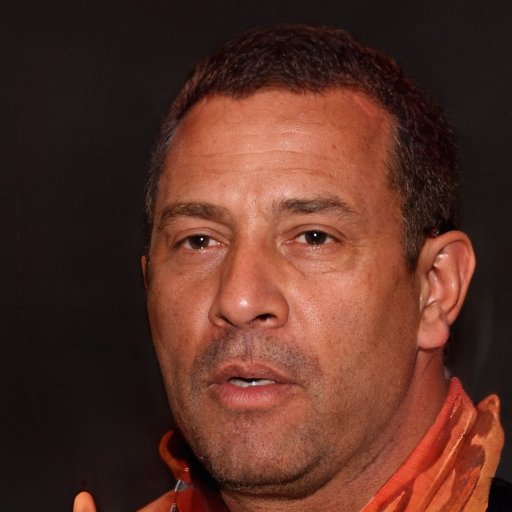
Michael Gero is a licensed property recovery expert with over 20 years of hands-on experience in the disaster restoration industry. As a veteran specialist, Michael is recognized for his technical mastery and commitment to structural integrity, helping residential and commercial clients navigate complex mitigation projects while ensuring every site meets rigorous safety and environmental standards.
𝗖𝗲𝗿𝘁𝗶𝗳𝗶𝗰𝗮𝘁𝗶𝗼𝗻𝘀: Michael is highly credentialed through the IICRC, holding advanced certifications in Water Damage Restoration (WRT), Mold Remediation (AMRT), Applied Structural Drying (ASD), Odor Control (OCT), and Fire and Smoke Restoration (FSRT).
𝗙𝗮𝘃𝗼𝗿𝗶𝘁𝗲 𝗣𝗮𝘀𝘁𝗶𝗺𝗲: An avid outdoorsman and classic car enthusiast, Michael enjoys spending his weekends restoring vintage engines and exploring scenic hiking trails with his family.
𝗕𝗲𝘀𝘁 𝗣𝗮𝗿𝘁 𝗼𝗳 𝘁𝗵𝗲 𝗝𝗼𝗯: Michael finds the most fulfillment in providing a sense of stability. He prides himself on being a steady, empathetic guide for families during crises, transforming a site of devastation back into a safe, comfortable sanctuary.