Trusted by 150+ Homeowners
What Bacteria Grows In Standing Water Inside A Home?
- Over 150 5-Star Reviews
- Free Estimates and Quotes
- 100% Satisfaction Guaranteed
- Child, Family & Pet Safe Steps
- 24-Hour Emergency Service
- Fully Licensed & Insured

Bacteria in standing water can pose serious health risks, growing rapidly and spreading contaminants throughout your home.
Identifying and addressing standing water quickly is vital to prevent bacterial growth and protect your health.
TL;DR:
- Standing water is a breeding ground for harmful bacteria.
- Common bacteria include E. coli, Salmonella, and Staphylococcus.
- These bacteria can cause severe gastrointestinal and skin infections.
- Prompt water removal and professional cleaning are essential.
- Preventing future water intrusion is key to long-term home health.
What Bacteria Grows in Standing Water Inside a Home?
When water sits stagnant in your home, it doesn’t just sit there looking unpleasant. It becomes a bustling, microscopic buffet for a variety of bacteria. Many of these can cause serious health problems if you or your family are exposed.
The Unseen Invaders: Common Bacteria in Stagnant Water
You might be surprised by the types of bacteria that can thrive in your home’s water damage. Research and found that common culprits include strains like E. coli, Salmonella, and Staphylococcus. These are not just theoretical threats; they are real microorganisms that can make you sick.
E. coli: More Than Just Food Poisoning
Escherichia coli, or E. coli, is perhaps one of the most well-known bacteria found in contaminated water. While some strains are harmless, others can cause severe stomach cramps, vomiting, and bloody diarrhea. Exposure often comes from fecal contamination, highlighting the importance of identifying the source of your water problem.
Salmonella: A Frequent Unwanted Guest
Salmonella is another bacterium commonly associated with foodborne illnesses. However, it can also contaminate standing water. If ingested, it can lead to symptoms like fever, diarrhea, and abdominal pain. This is why swift water removal is critical.
Staphylococcus: The Skin and Beyond Threat
Staphylococcus, often called “Staph,” is a bacterium that lives on many people’s skin. In standing water, it can multiply. Contact with contaminated water can lead to skin infections, often appearing as redness, swelling, and pain. In more severe cases, it can enter the bloodstream or lungs, posing a serious health risk.
Other Potential Bacterial Contaminants
Beyond these common examples, standing water can harbor a host of other bacteria and even viruses and parasites. These can include species of Shigella, Campylobacter, and various coliform bacteria. The longer water sits, the more diverse and dangerous the microbial population becomes. This underscores the need to call a professional right away.
Where Does This Bacteria Come From?
The source of standing water dictates the specific bacteria you might encounter. It’s not always what you might think. Understanding the origin helps in remediation and prevention.
Sewage Backups and Contaminated Sources
One of the most dangerous sources is sewage backup. This water is teeming with fecal coliforms, including E. coli and Salmonella. Even a small amount of sewage entering your home can lead to widespread contamination. This is a situation where you must not wait to get help.
Storm Water and Outdoor Contamination
When heavy rains occur, storm water entering the property can carry a variety of contaminants from the outdoors. This could include bacteria from animal waste, soil, and decaying organic matter. Dealing with damage after severe weather events requires careful attention to potential bacterial threats.
Leaking Pipes and Appliances
Even leaks from clean water sources like pipes or appliances can become breeding grounds for bacteria over time. The water itself might be initially clean, but it can pick up bacteria from dust, dirt, and surfaces within your home. This is how hidden damage after moisture exposure can become a bigger problem.
The Dangers of Bacterial Growth in Your Home
The presence of these bacteria isn’t just an unpleasant thought; it translates to tangible dangers for your household. The risks are multifaceted and can impact your health significantly.
Health Risks Associated with Bacteria
Exposure to bacteria in standing water can lead to a range of illnesses. These can include gastrointestinal distress, respiratory infections, skin infections, and even more severe systemic issues. Young children, the elderly, and individuals with compromised immune systems are particularly vulnerable. Protecting them means acting before it gets worse.
Speed of Bacterial Proliferation
Bacteria reproduce at an astonishing rate under the right conditions. Research shows that some bacteria can double their population every 20 minutes. This means a small amount of contaminated water can quickly become a significant bacterial hazard. Understanding how quickly pathogens grow in flood water is key to rapid response.
Long-Term Health Impacts
Beyond immediate illness, prolonged exposure to bacterial contaminants can lead to chronic health issues. Mold growth after hidden moisture can also contribute to respiratory problems and allergies. It’s a cascade of problems that starts with simple standing water.
When Water Damage Strikes: What You Need to Know
Discovering standing water in your home can be alarming. Knowing what to do next is essential for your safety and the preservation of your property. There are crucial restoration steps homeowners should know.
Immediate Steps for Standing Water
Your first priority should be to stop the water source if possible. Then, begin removing the standing water. For small amounts, mops and buckets might suffice. For larger volumes, a wet/dry vacuum or a pump is necessary. However, always prioritize your safety. If the water is contaminated, wear protective gear.
The Role of Professional Restoration
For anything beyond a minor spill, professional water damage restoration is highly recommended. Experts have the equipment and knowledge to safely remove water, dry out affected areas, and remediate contamination. They can identify issues like mold growth after hidden moisture and address them effectively. This is where you can schedule a free inspection.
Drying and Dehumidification
Simply removing visible water isn’t enough. The underlying materials, like drywall, carpet, and subflooring, must be thoroughly dried. Professionals use specialized drying equipment and dehumidifiers to remove moisture from the air and materials. This prevents further damage and inhibits mold and bacteria.
Sanitization and Disinfection
After drying, the affected areas must be thoroughly sanitized and disinfected. This process kills remaining bacteria and other harmful microorganisms. Professionals use EPA-approved cleaning agents to ensure your home is safe. This step is vital to mitigate the serious health risks associated with contaminated water.
Preventing Future Standing Water Issues
The best defense against the bacteria that grow in standing water is to prevent it from happening in the first place. A little prevention can save a lot of trouble.
Regular Home Maintenance
Keep gutters clean and ensure downspouts direct water away from your foundation. Inspect plumbing for leaks regularly. Check appliances like washing machines and dishwashers for any signs of malfunction. Addressing minor issues early can prevent major water damage later.
Addressing Crawl Space and Basement Moisture
Crawl spaces and basements are common areas for standing water. Understanding why is there standing water in my crawl space is important. Proper ventilation, sump pumps, and foundation sealing can help prevent moisture buildup. What does standing water under a house mean? It often indicates drainage issues that need immediate attention.
The Financial Aspect of Water Damage
Ignoring water damage can have consequences beyond health and immediate repair costs. It can affect your home’s value and your financial stability. Learn how does home damage affect your credit or financial standing? Taking prompt action is often more cost-effective in the long run.
Conclusion
Standing water in your home is more than just an inconvenience; it’s a potential breeding ground for harmful bacteria like E. coli, Salmonella, and Staphylococcus. These microorganisms can lead to severe health issues, from gastrointestinal problems to skin infections. Swift removal of water, thorough drying, and professional sanitization are essential to protect your home and family. By understanding the risks and taking preventative measures, you can minimize the chances of dealing with these unseen invaders. If you’re facing water damage, Tucson Restoration Aider is a trusted resource to help you navigate the restoration process safely and effectively.
What are the main health concerns from bacteria in standing water?
The main health concerns include gastrointestinal illnesses like diarrhea and vomiting, skin infections, and respiratory issues. Vulnerable populations like children and the elderly are at higher risk for severe complications.
Can I clean up standing water myself?
For small, clean water spills, you might be able to manage it. However, if the water is of unknown origin, discolored, or if the volume is significant, it’s best to call professionals to ensure proper containment and disinfection.
How long does it take for bacteria to grow in standing water?
Bacteria can start multiplying very quickly, often within hours. Some species can double their population every 20 minutes under ideal conditions, making rapid response crucial.
What is the best way to dry out a home after water damage?
Professional restoration companies use specialized equipment like industrial-grade fans, air movers, and dehumidifiers to ensure thorough drying of all affected materials and cavities. This is crucial to prevent mold and further bacterial growth.
Can mold grow from the same standing water that has bacteria?
Yes, absolutely. Mold spores are often present in the air and on surfaces. Standing water provides the moisture mold needs to begin its growth cycle, often soon after the bacteria have established themselves.
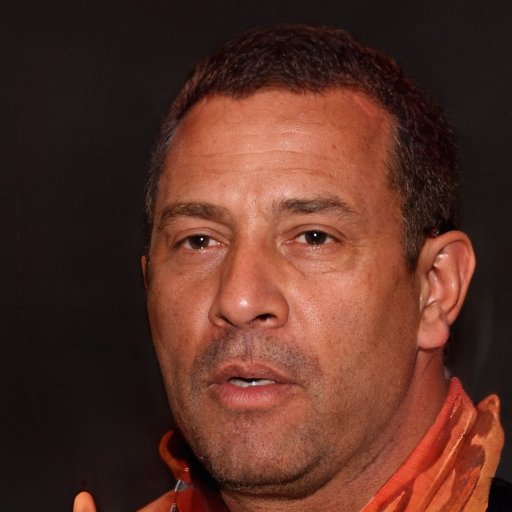
Michael Gero is a licensed property recovery expert with over 20 years of hands-on experience in the disaster restoration industry. As a veteran specialist, Michael is recognized for his technical mastery and commitment to structural integrity, helping residential and commercial clients navigate complex mitigation projects while ensuring every site meets rigorous safety and environmental standards.
𝗖𝗲𝗿𝘁𝗶𝗳𝗶𝗰𝗮𝘁𝗶𝗼𝗻𝘀: Michael is highly credentialed through the IICRC, holding advanced certifications in Water Damage Restoration (WRT), Mold Remediation (AMRT), Applied Structural Drying (ASD), Odor Control (OCT), and Fire and Smoke Restoration (FSRT).
𝗙𝗮𝘃𝗼𝗿𝗶𝘁𝗲 𝗣𝗮𝘀𝘁𝗶𝗺𝗲: An avid outdoorsman and classic car enthusiast, Michael enjoys spending his weekends restoring vintage engines and exploring scenic hiking trails with his family.
𝗕𝗲𝘀𝘁 𝗣𝗮𝗿𝘁 𝗼𝗳 𝘁𝗵𝗲 𝗝𝗼𝗯: Michael finds the most fulfillment in providing a sense of stability. He prides himself on being a steady, empathetic guide for families during crises, transforming a site of devastation back into a safe, comfortable sanctuary.