Trusted by 150+ Homeowners
Can A Slowly Leaking Frozen Pipe Cause Major Damage?
- Over 150 5-Star Reviews
- Free Estimates and Quotes
- 100% Satisfaction Guaranteed
- Child, Family & Pet Safe Steps
- 24-Hour Emergency Service
- Fully Licensed & Insured

Yes, a slowly leaking frozen pipe can absolutely cause major damage.
Even a small, slow leak from a frozen pipe can lead to extensive water damage, mold growth, and structural issues if not addressed promptly.
TL;DR:
- Slow leaks from frozen pipes can cause significant water damage.
- Damage can include structural issues, mold, and ruined belongings.
- Early detection and professional restoration are key.
- Insurance coverage for frozen pipe damage varies.
- Tucson Restoration Aider offers expert help for pipe burst emergencies.
Can a Slowly Leaking Frozen Pipe Cause Major Damage?
It’s a common misconception that only a burst pipe causes disaster. But what about those sneaky, slow leaks from a pipe that’s frozen? Can a small drip turn into a big problem? The short answer is a resounding yes. A slowly leaking frozen pipe can, and often does, lead to substantial damage over time.
The Silent Threat of a Slow Leak
When a pipe freezes, the water inside expands. This expansion puts immense pressure on the pipe walls. Even if the pipe doesn’t completely burst, it can develop tiny cracks or weaken existing seams. These weaknesses can then turn into slow leaks.
These small, persistent drips might seem manageable at first. You might think, “It’s just a little water.” But that little water can accumulate quickly. It can seep into floors, walls, and ceilings. This hidden moisture is where the real trouble begins.
Understanding the Expansion Process
Water expands by about 9% when it freezes. This might not sound like much. However, it’s enough to stress even robust plumbing. The pressure can force water out through small openings. If you notice a pipe is frozen, knowing how do you know if a pipe is frozen? is the first step.
How Slow Leaks Lead to Big Problems
The damage from a slow leak isn’t always immediate or obvious. It’s a creeping problem. Water finds its way into every nook and cranny. This can go unnoticed for days, weeks, or even months.
Think of it like a persistent cough. You might ignore it for a while. But if it doesn’t go away, it can signal a more serious underlying issue. The same applies to your home’s plumbing.
Structural Weakness and Rot
Wood framing, drywall, and insulation are highly absorbent. Constant exposure to moisture weakens these materials. This can lead to rot and decay. Over time, this compromises the structural integrity of your home. It’s a serious concern that requires professional attention.
Hidden Water Damage
One of the most insidious aspects is pipe leaks behind finished walls. You can’t see the water accumulating. It might be dripping onto your subfloor or soaking into insulation. This hidden damage can be extensive before you even realize there’s a problem.
The Insidious Rise of Mold Growth
This is where things can get really serious. Mold thrives in damp, dark environments. That hidden moisture from a slow pipe leak is a perfect breeding ground. Mold spores are everywhere, but they need moisture to grow and spread.
Mold can start growing within 24-48 hours. It can quickly spread through your home’s ventilation system. This can lead to widespread contamination. Dealing with mold is not just about aesthetics; it poses serious health risks.
Many homeowners wonder, “Can a roof leak cause mold in the attic?” The answer is yes, and similarly, hidden water from pipe leaks can cause mold growth after hidden moisture. You might notice musty odors from concealed mold before you see any visible signs.
Damage to Belongings and Finishes
Beyond structural issues, your personal belongings are also at risk. Carpets, furniture, clothing, and electronics can be ruined by prolonged water exposure. Water can stain walls and ceilings. It can warp hardwood floors and damage paint.
The cost of replacing damaged items adds up quickly. That’s why it’s so important to act before it gets worse.
The Impact of Freezing Temperatures
The colder it gets, the higher the risk of pipes freezing. Especially pipes located in unheated areas like basements, attics, crawl spaces, or garages. Even a few hours of extreme cold can be enough to cause a problem.
It’s important to take preventative measures. But if a leak occurs, you need to know how to respond. Understanding how do you thaw a frozen pipe safely? is crucial.
Detecting a Slowly Leaking Frozen Pipe
Spotting a slow leak can be tricky. You might not hear a gushing sound. Instead, listen for subtle signs. Look for:
- Unexplained damp spots on walls or ceilings.
- Peeling paint or wallpaper.
- A musty smell, especially in less-trafficked areas.
- Increased humidity levels in your home.
- A sudden spike in your water bill.
- The sound of dripping water when no faucets are on.
If you suspect a frozen pipe or a leak, do not wait to get help. It’s better to be safe than sorry.
The Role of Insulation
Poor insulation is a major contributor to frozen pipes. When pipes are exposed to cold air, the water inside can freeze. Proper insulation acts as a barrier. It helps maintain a consistent temperature around your pipes.
What to Do When You Find a Leak
If you discover a leak from a frozen pipe, your first priority is to stop the water flow. If you can safely access the main water shut-off valve, turn it off immediately. This will prevent further water damage.
Next, you’ll need to deal with the water that’s already present. Learn how do you clean up after a frozen pipe burst? This includes removing standing water and drying out affected areas.
Documenting the damage is also vital. Take photos and videos of the affected areas. This is important for insurance purposes. Understanding documenting damage for your claim can save you a lot of headaches.
Insurance and Frozen Pipe Damage
Many homeowners wonder, “Does insurance cover damage from frozen pipes?” The answer often depends on your specific policy and the circumstances. Generally, standard homeowner’s insurance covers damage caused by sudden and accidental events.
This often includes damage from burst pipes. However, if the damage resulted from neglect or failure to maintain your home (like not winterizing properly), coverage might be denied. It’s always best to review what your policy may cover.
You may also find that the insurance company requires proof of mitigation efforts. This means you took steps to prevent further damage. This is another reason why prompt action is so important.
Preventing Future Freezing
Once the immediate crisis is handled, focus on prevention. Insulate exposed pipes. Keep your home heated, even when you’re away. Let faucets drip slightly during extreme cold. Open cabinet doors to allow warm air to circulate around pipes.
The Importance of Professional Restoration
Dealing with water damage is not a DIY project. The lingering moisture can cause problems long after the visible water is gone. Mold can still grow. Structural issues might not be apparent.
Professional restoration companies have the specialized equipment and expertise. They can thoroughly dry out your home. They can identify and address hidden moisture. They can also prevent secondary damage like mold.
If you’re facing water damage, you need to call a professional right away. Getting expert advice today is essential.
Conclusion
A slowly leaking frozen pipe is a serious threat to your home. It can lead to extensive water damage, structural compromise, and unhealthy mold growth. Don’t underestimate the power of a small drip. Early detection and immediate action are crucial. If you’re in the Tucson area and facing water damage from a frozen pipe or any other source, Tucson Restoration Aider is a trusted resource. We understand the urgency and the need for swift, professional restoration to protect your property.
What are the first signs of a frozen pipe?
The most common sign is reduced or no water flow from a faucet. You might also see frost on the exterior of the pipe. If you notice any of these, it’s time to investigate further and potentially call a professional right away.
How quickly does mold grow after a pipe leak?
Mold can begin to grow within 24 to 48 hours after water intrusion. The speed depends on the temperature and humidity levels. Prompt drying and professional remediation are key to preventing widespread mold growth after hidden moisture.
Can I claim frozen pipe damage on my taxes?
In some cases, if your insurance doesn’t cover the full cost of repairs due to a natural disaster or other qualifying event, you might be able to deduct unreimbursed repair costs. However, this is complex. It’s best to consult with a tax professional for personalized advice.
What is the best way to prevent pipes from freezing?
The best prevention methods include insulating pipes in unheated areas, maintaining a consistent indoor temperature (even when away), letting faucets drip slightly during extreme cold snaps, and disconnecting outdoor hoses. Sealing air leaks around pipes can also help.
How long does water damage restoration take?
The timeline for water damage restoration varies greatly. It depends on the extent of the damage, the materials affected, and the drying process. Simple drying might take a few days. More extensive damage, including structural repairs and mold remediation, could take weeks. It’s important to allow the professionals to complete the job thoroughly to avoid future issues like pipe leaks behind finished walls.
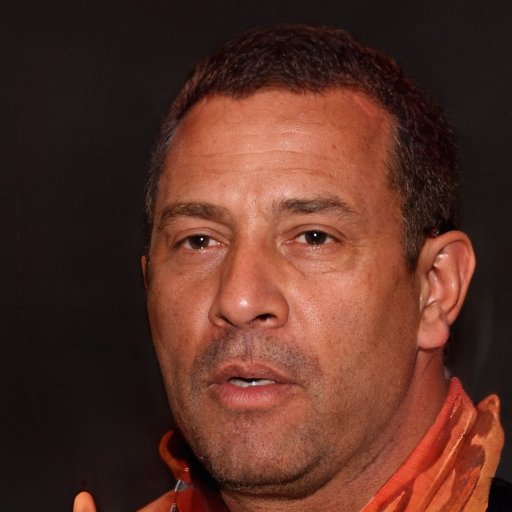
Michael Gero is a licensed property recovery expert with over 20 years of hands-on experience in the disaster restoration industry. As a veteran specialist, Michael is recognized for his technical mastery and commitment to structural integrity, helping residential and commercial clients navigate complex mitigation projects while ensuring every site meets rigorous safety and environmental standards.
𝗖𝗲𝗿𝘁𝗶𝗳𝗶𝗰𝗮𝘁𝗶𝗼𝗻𝘀: Michael is highly credentialed through the IICRC, holding advanced certifications in Water Damage Restoration (WRT), Mold Remediation (AMRT), Applied Structural Drying (ASD), Odor Control (OCT), and Fire and Smoke Restoration (FSRT).
𝗙𝗮𝘃𝗼𝗿𝗶𝘁𝗲 𝗣𝗮𝘀𝘁𝗶𝗺𝗲: An avid outdoorsman and classic car enthusiast, Michael enjoys spending his weekends restoring vintage engines and exploring scenic hiking trails with his family.
𝗕𝗲𝘀𝘁 𝗣𝗮𝗿𝘁 𝗼𝗳 𝘁𝗵𝗲 𝗝𝗼𝗯: Michael finds the most fulfillment in providing a sense of stability. He prides himself on being a steady, empathetic guide for families during crises, transforming a site of devastation back into a safe, comfortable sanctuary.