Trusted by 150+ Homeowners
Does Insurance Cover Damage From Frozen Pipes?
- Over 150 5-Star Reviews
- Free Estimates and Quotes
- 100% Satisfaction Guaranteed
- Child, Family & Pet Safe Steps
- 24-Hour Emergency Service
- Fully Licensed & Insured
Does insurance cover damage from frozen pipes? Yes, typically your homeowner’s insurance policy will cover damage caused by frozen pipes, provided you took reasonable steps to prevent them from freezing.
This coverage usually extends to the cost of repairing the damaged pipes and any resulting water damage to your home’s structure and belongings.
TL;DR:
- Your homeowner’s insurance generally covers frozen pipe damage.
- Prevention is key; you must show you took reasonable steps.
- Coverage includes pipe repair and resulting water damage.
- Act quickly to mitigate further damage and file your claim.
- Consult your policy and an insurance agent for specifics.
Does Insurance Cover Damage from Frozen Pipes?
Winter’s chill can bring more than just frosty mornings. It can bring the dreaded frozen pipe burst. This can lead to significant water damage in your home. Many homeowners worry about the cost of repairs. You might be asking, “Does insurance cover damage from frozen pipes?” The answer is usually yes. Your homeowner’s insurance policy is designed to protect you from unexpected events like this. However, there are important conditions you need to understand.
Understanding Your Insurance Policy
Most standard homeowner’s insurance policies, often called an HO-3 policy, offer “all-risk” coverage for the structure of your home. This means it covers damage from many causes, including those from frozen pipes. This includes the cost to repair the pipes themselves and the subsequent water damage. Think of it as a safety net for your biggest investment. It’s important to know what your policy may cover in these situations. Always review your policy documents or speak with your insurance agent.
The Importance of Prevention
Insurance companies expect you to take reasonable precautions to protect your home. This is a key factor. If you leave your home for an extended period in freezing temperatures without taking steps to prevent pipes from freezing, your claim might be denied. This includes maintaining a reasonable heat level. It also means shutting off and draining water systems if you plan to be away. Documenting these preventative measures can be very helpful. It shows you acted responsibly. This is part of documenting damage for your claim.
What is Considered “Reasonable Care”?
What counts as “reasonable care” can vary. Generally, it means you didn’t intentionally leave your home unprotected against freezing. For example, if you were away during a sudden, unexpected cold snap and your heating system failed, your insurance will likely cover the damage. However, if you turned off your heat completely for a week in January, that might be seen as neglecting your property. It’s a balance of being prepared and not causing damage through negligence.
What Damage is Typically Covered?
When a pipe freezes and bursts, the damage can be extensive. Your insurance usually covers several aspects:
- Cost of Repairing the Pipes: The expense to fix or replace the burst pipes themselves.
- Water Damage Cleanup: This includes removing the water released from damaged pipes. It covers drying out your home.
- Restoration Services: Repairing damaged walls, floors, ceilings, and other structural elements.
- Replacement of Damaged Belongings: Personal property damaged by the water, like furniture or electronics, may also be covered, often up to certain limits.
When Coverage Might Be Limited
While coverage is common, there are nuances. If the burst pipe resulted in mold growth, you need to understand how that is handled. For example, does insurance cover mold from a burst pipe? Often, mold that is a direct result of a covered water loss is covered, but only for the initial cleanup and repair. If mold develops over time due to a slow leak you didn’t address, it might not be covered. This is why acting fast is essential.
How to File a Claim for Frozen Pipe Damage
Discovering a burst pipe is stressful. The first step is to stop the water flow if possible. Then, you need to take steps to mitigate further damage. This might involve shutting off the main water valve. You should also call a professional right away for an assessment. Once the immediate crisis is managed, contact your insurance company. They will guide you through the claims process. Be prepared to provide details about the incident.
Gathering Evidence for Your Claim
Insurance adjusters will need to assess the damage. Before they arrive, take photos and videos of the affected areas. This is crucial for documenting damage for your claim. Keep damaged items until the adjuster has seen them, unless they pose a health risk. Also, save any receipts for emergency repairs you made. Clear documentation helps ensure a smoother claims process. It supports your request for fair compensation.
What If You’re Unsure If a Pipe is Frozen?
Sometimes, the signs of a frozen pipe aren’t obvious. You might notice reduced water flow from a faucet. Or you might hear strange noises in your walls. If you suspect a pipe is frozen, you need to act quickly. How do you know if a pipe is frozen? Look for frost on exposed pipes. If you can’t get any water from a faucet, even after running hot water over the suspected area, a pipe might be frozen. If you find pipe leaks behind finished walls, it’s a clear sign of a problem that needs immediate attention.
Steps to Take When a Pipe Bursts
When a pipe bursts, your immediate actions can significantly impact the outcome. After shutting off the water, you need to address the mess. This is where understanding how do you clean up after a frozen pipe burst becomes important. You’ll want to remove as much standing water as possible. Use wet vacuums, mops, and towels. Open windows to help with ventilation. The goal is to prevent secondary damage like mold. Prompt action minimizes the overall destruction.
Can You Prevent Frozen Pipes?
Prevention is always better than repair. Here are some tips to help avoid frozen pipes:
- Insulate exposed pipes. Especially those in unheated areas like basements, attics, or crawl spaces.
- Seal air leaks. Caulk cracks and openings near pipes to prevent cold air from entering.
- Let faucets drip. During extreme cold, a slow drip can keep water moving and prevent freezing.
- Keep your thermostat consistent. Maintain a steady temperature, even when you’re away.
- Disconnect outdoor hoses. Store them indoors to prevent water from freezing in pipes connected to them.
- Know where your main water shut-off valve is. This is critical in an emergency.
When to Call a Professional Restoration Company
Dealing with a burst pipe and water damage is overwhelming. A professional restoration company can be a lifesaver. They have the equipment and expertise to handle water extraction, drying, and restoration. They can also help assess the full extent of the damage. This includes identifying hidden moisture that could lead to mold. Engaging professionals ensures the job is done correctly. It helps you get your home back to normal faster. This is especially true if you have pipe leaks behind finished walls that require careful demolition and repair.
Navigating Insurance Claims for Water Damage
Filing an insurance claim can be daunting. Remember, your insurance policy is there to help you. Be honest and thorough in your communication with the insurance company. If you disagree with their assessment, you have the right to seek a second opinion. Understanding what your policy may cover is the first step. Knowing how to present your case effectively is the next. This is why documenting damage for your claim is so vital.
| Potential Issue | Insurance Coverage Likelihood | Key Considerations |
|---|---|---|
| Frozen pipe bursts | High (with reasonable prevention) | Proof of maintained heat, insulation efforts. |
| Resulting water damage | High | Prompt mitigation, professional drying. |
| Mold growth from burst pipe | Moderate to High (initial cleanup) | Act quickly; long-term mold may be excluded. |
| Damage from neglect (e.g., no heat) | Low | Proving you took reasonable steps is critical. |
| Damage from flood waters (if pipe burst during flood) | Low (requires separate flood insurance) | Standard policies exclude flood damage. |
Conclusion
Damage from frozen pipes can be a homeowner’s nightmare, but your insurance policy is likely your best ally. Remember to take reasonable steps to prevent pipes from freezing, and act quickly if a burst occurs. Document everything carefully to support your claim. If you’re facing the aftermath of frozen pipes, Tucson Restoration Aider is a trusted resource. We understand the stress involved and are here to help guide you through the restoration process.
What if my insurance claim is denied?
If your insurance claim for frozen pipe damage is denied, don’t despair. First, review the denial letter carefully to understand the reason. Many denials are based on misunderstandings or lack of documentation. You can appeal the decision by providing additional evidence, such as photos, repair estimates, and proof of preventative measures. Sometimes, hiring a public adjuster can help you navigate the appeals process. It’s also worth noting that policies for other types of damage, like does homeowners insurance cover tornado damage, have their own specific conditions.
How quickly should I report a frozen pipe incident?
You should report a frozen pipe incident to your insurance company as soon as possible. Prompt reporting allows the insurance company to send an adjuster to assess the damage while it’s fresh. It also demonstrates that you are taking the situation seriously and are not delaying mitigation efforts. This speed is crucial for acting before it gets worse and for ensuring your claim is processed efficiently.
What if the frozen pipe was old and corroded?
Even if the pipe was old or corroded, damage from a sudden freeze and burst is generally covered. Insurance policies typically cover sudden and accidental damage. The age or condition of the pipe might become a point of discussion if the insurer believes the pipe burst because of its age or corrosion, rather than the freeze. However, the freeze is usually considered the direct cause of loss in this scenario. It is important to be upfront about the pipe’s condition when discussing what your policy may cover.
Does my insurance cover the cost of temporary housing?
Yes, many homeowner’s insurance policies include “loss of use” or “additional living expenses” coverage. This can help pay for temporary housing, meals, and other increased living costs if your home becomes uninhabitable due to a covered loss, such as a burst pipe. Keep all receipts for these expenses. This coverage is designed to get you back on your feet while repairs are underway. It’s a critical part of your protection.
Can I do the repairs myself after a frozen pipe burst?
While you can perform some minor cleanup tasks, it’s generally recommended to hire professionals for major repairs after a frozen pipe burst. Professionals have the specialized equipment for thorough water extraction and drying, which is essential to prevent mold and structural damage. They also understand the complexities of restoring damaged areas. For significant water damage, relying on experts ensures the job is done correctly and safely. This is part of not waiting to get help.
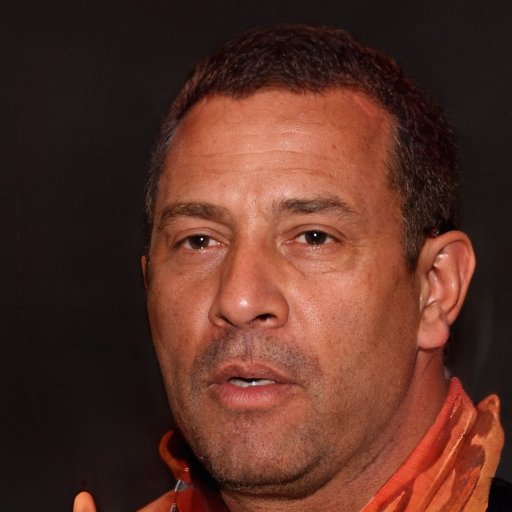
Michael Gero is a licensed property recovery expert with over 20 years of hands-on experience in the disaster restoration industry. As a veteran specialist, Michael is recognized for his technical mastery and commitment to structural integrity, helping residential and commercial clients navigate complex mitigation projects while ensuring every site meets rigorous safety and environmental standards.
𝗖𝗲𝗿𝘁𝗶𝗳𝗶𝗰𝗮𝘁𝗶𝗼𝗻𝘀: Michael is highly credentialed through the IICRC, holding advanced certifications in Water Damage Restoration (WRT), Mold Remediation (AMRT), Applied Structural Drying (ASD), Odor Control (OCT), and Fire and Smoke Restoration (FSRT).
𝗙𝗮𝘃𝗼𝗿𝗶𝘁𝗲 𝗣𝗮𝘀𝘁𝗶𝗺𝗲: An avid outdoorsman and classic car enthusiast, Michael enjoys spending his weekends restoring vintage engines and exploring scenic hiking trails with his family.
𝗕𝗲𝘀𝘁 𝗣𝗮𝗿𝘁 𝗼𝗳 𝘁𝗵𝗲 𝗝𝗼𝗯: Michael finds the most fulfillment in providing a sense of stability. He prides himself on being a steady, empathetic guide for families during crises, transforming a site of devastation back into a safe, comfortable sanctuary.