Trusted by 150+ Homeowners
Can Water Damage Lead To Foundation Failure?
- Over 150 5-Star Reviews
- Free Estimates and Quotes
- 100% Satisfaction Guaranteed
- Child, Family & Pet Safe Steps
- 24-Hour Emergency Service
- Fully Licensed & Insured

Yes, water damage can absolutely lead to foundation failure.
Ignoring persistent moisture issues around your home can have severe structural consequences.
TL;DR:
- Excess water can weaken soil, causing foundation shifts and cracks.
- Poor drainage and plumbing leaks are common culprits.
- Signs include cracks, bowing walls, and water in the basement.
- Prompt professional assessment and repair are vital.
- Ignoring water damage risks costly structural collapse.
Can Water Damage Lead to Foundation Failure?
It’s a question many homeowners dread, but the answer is a resounding yes. Water damage is a serious threat to your home’s foundation. Think of your foundation as the anchor for your entire house. When that anchor starts to crumble, everything is at risk. We found that consistent exposure to moisture can undermine the soil supporting your foundation. This can lead to settling, cracking, and eventually, significant structural problems.
The Science Behind the Soggy Foundation
Soil expands when it gets wet and shrinks when it dries. This constant cycle of expansion and contraction puts immense pressure on your foundation. When the soil around your foundation becomes oversaturated, it can lose its load-bearing capacity. This is especially true for clay soils, which are prone to significant expansion. We found that this can cause the soil to push against your foundation walls or allow the foundation to sink unevenly.
Hydrostatic Pressure: The Silent Squeeze
When water accumulates around your foundation, it creates hydrostatic pressure. This is the force exerted by standing water. Imagine a balloon filled with water; the water pushes outwards in all directions. Similarly, this pressure pushes against your foundation walls and slab. Over time, this constant force can cause cracks to form or existing ones to widen. Research shows that even small amounts of persistent pressure can lead to significant structural compromise.
Erosion and Soil Washout
Water doesn’t just push; it also erodes. Poor drainage can lead to water pooling and flowing persistently around your foundation. This flow can wash away the soil that supports your foundation. This process, known as soil erosion, creates voids or gaps beneath the foundation. When these voids form, sections of the foundation can sink or shift. This is how uneven settling can begin, leading to a host of other issues.
Common Sources of Foundation-Damaging Water
So, where does all this problematic water come from? Understanding the sources is the first step in prevention. We found that many issues stem from simple, yet overlooked, problems around the home.
Rainwater and Storm Runoff
Tucson experiences its share of intense weather. Heavy rainfall or rapid snowmelt can overwhelm your property’s drainage systems. If your gutters are clogged or your downspouts don’t direct water far enough away from your home, the water will naturally seek the path of least resistance – often towards your foundation. This is a prime example of storm water entering the property and causing trouble.
Poor Grading and Landscaping
The ground around your home should slope away from the foundation. This is called positive grading. If your landscaping slopes towards your house, or if there are low spots where water collects, you’re essentially creating a moat around your foundation. We found that even seemingly minor grading issues can lead to chronic moisture problems over time.
Plumbing Leaks and Sprinkler Systems
Sometimes, the water causing damage isn’t from the sky. Leaking pipes, either underground or within your walls, can saturate the soil. A slow, persistent leak from a sprinkler system can also be a major contributor. These hidden leaks can go unnoticed for a long time, allowing moisture collecting around the foundation to do significant damage before being detected.
High Water Table or Poor Subsurface Drainage
In some areas, the natural water table can be high, meaning the groundwater is close to the surface. If your home’s foundation is below this level, you can experience constant hydrostatic pressure. Additionally, if the natural drainage beneath your property is poor, water can become trapped, exacerbating the problem.
Recognizing the Warning Signs of Water Damage
Your home will often give you clues that something is wrong. Learning to spot these signs can save you from much larger repair bills down the line. We found that early detection is absolutely critical for preventing major damage.
Visible Cracks in the Foundation
Cracks are perhaps the most obvious sign. While minor shrinkage cracks can occur, large, horizontal, or stair-step cracks are cause for concern. These can indicate that pressure from the soil or water is forcing the foundation walls to bow or shift. Understanding how does water damage lead to foundation cracks? is key to spotting trouble early.
Bowing or Leaning Foundation Walls
If you notice your basement walls are starting to bow inward, this is a serious warning sign. This often happens when hydrostatic pressure becomes too great. You might see cracks accompanying the bowing, or the wall might simply look like it’s starting to lean. This suggests imminent structural failure if left unaddressed.
Water Intrusion into the Basement or Crawl Space
Any sign of water entering your basement or crawl space is a red flag. This could be damp spots, puddles, mold growth, or visible streams of water. Consistent moisture in these areas indicates that water is finding its way past your foundation’s defenses. This is a clear sign of water entering through basement walls or other entry points.
Sticking Doors and Windows
When your foundation shifts, it can throw the entire structure of your house out of alignment. This can cause doors and windows to stick or become difficult to open and close. You might also notice new gaps appearing around door and window frames. These are often subtle, but they can be indicators of foundation movement.
Musty Odors and Mold Growth
Persistent dampness creates the perfect environment for mold and mildew. If you notice musty odors, especially in your basement or crawl space, it’s a strong indicator of excess moisture. Mold growth itself can also be a health hazard, posing serious health risks to your family.
The Danger: How Water Damage Leads to Foundation Failure
It’s not just about cracks; water damage can lead to a cascade of problems that culminate in outright foundation failure. We found that the cumulative effect of moisture is often underestimated.
Soil Saturation and Weakening
As mentioned, saturated soil loses its ability to support the weight of your home. This leads to differential settlement, where one part of the foundation sinks more than another. This uneven movement puts tremendous stress on the entire structure.
Freeze-Thaw Cycles
In colder climates, water that seeps into foundation cracks can freeze. When water freezes, it expands. This expansion can widen existing cracks. When the ice melts, the water can penetrate deeper. This repeated freeze-thaw cycle acts like a wedge, progressively damaging the foundation. While Tucson is warm, understanding this principle highlights water’s destructive power.
Increased Load on Foundation Walls
Saturated soil is heavier than dry soil. This added weight presses down and outward on your foundation walls. Coupled with hydrostatic pressure, this can exceed the structural capacity of the foundation materials, leading to collapse.
What to Do When You Suspect Water Damage
If you’re seeing any of the signs mentioned, it’s time to take action. Don’t wait for the problem to become a catastrophe. We strongly advise homeowners to call a professional right away.
Inspect Your Exterior Drainage
Check your gutters and downspouts. Ensure they are clean and directing water at least 5-10 feet away from your home. Examine your landscaping; does it slope away from your foundation?
Look for Interior Signs
Head to your basement or crawl space. Look for dampness, mold, cracks, or efflorescence (a powdery white deposit). Check around windows and doors for sticking or new gaps.
Consult a Foundation Specialist
This is where professional help becomes essential. A qualified foundation repair company can accurately diagnose the problem and recommend the best course of action. They have the expertise to assess the extent of the damage and understand how is foundation water damage repaired.
Consider Professional Waterproofing
In many cases, foundation repair will involve improving your home’s waterproofing. This might include exterior or interior drainage systems, sump pumps, or foundation sealants. Proper waterproofing is key to preventing future issues, especially after damage after severe weather events.
Don’t Let Water Undermine Your Home’s Future
The integrity of your home’s foundation is non-negotiable. Water damage might seem like a minor annoyance at first, but it can escalate into a major structural crisis. Understanding the risks and recognizing the signs are your first lines of defense. Remember, addressing water issues promptly is far less costly than repairing a failed foundation. It’s about protecting your investment and ensuring the safety of your home.
Conclusion
Water damage poses a very real and significant threat to your home’s foundation. From weakening soil and hydrostatic pressure to erosion and freeze-thaw cycles, water can systematically compromise the structural integrity of your home. Recognizing the warning signs like cracks, bowing walls, and water intrusion is paramount. If you suspect any issues, it’s vital to seek professional help immediately to prevent minor problems from escalating into catastrophic foundation failure. Tucson Restoration Aider is here to help you navigate these challenges and restore the safety and stability of your home.
What is hydrostatic pressure?
Hydrostatic pressure is the force exerted by standing water. When water accumulates around your foundation, it pushes against the walls and floor, potentially causing cracks and structural damage if the pressure becomes too great.
How does soil expansion and contraction affect my foundation?
Soil expands when it absorbs moisture and shrinks as it dries. This constant cycle puts stress on your foundation. Saturated soil loses its ability to support the foundation, leading to settling and cracking.
Are horizontal cracks in my foundation walls more serious than vertical ones?
Yes, horizontal cracks are generally considered more serious. They often indicate that lateral pressure from saturated soil or hydrostatic pressure is pushing the foundation wall inward, suggesting a potential bowing or failure issue.
Can a simple landscaping change fix foundation water problems?
While proper grading and landscaping are crucial for diverting water away from your foundation, they may not be enough if the underlying issue is severe drainage problems, high water tables, or plumbing leaks. A professional assessment is usually needed.
How quickly should I address signs of water damage to my foundation?
You should address signs of water damage immediately. Small issues can quickly worsen, leading to more extensive and expensive repairs. Do not wait to get help; prompt action is key to preventing further damage.
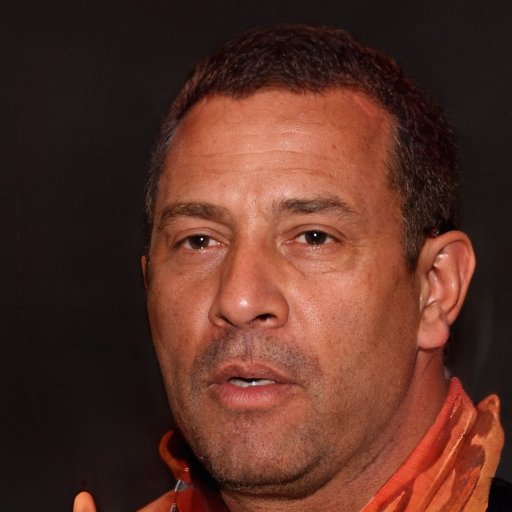
Michael Gero is a licensed property recovery expert with over 20 years of hands-on experience in the disaster restoration industry. As a veteran specialist, Michael is recognized for his technical mastery and commitment to structural integrity, helping residential and commercial clients navigate complex mitigation projects while ensuring every site meets rigorous safety and environmental standards.
𝗖𝗲𝗿𝘁𝗶𝗳𝗶𝗰𝗮𝘁𝗶𝗼𝗻𝘀: Michael is highly credentialed through the IICRC, holding advanced certifications in Water Damage Restoration (WRT), Mold Remediation (AMRT), Applied Structural Drying (ASD), Odor Control (OCT), and Fire and Smoke Restoration (FSRT).
𝗙𝗮𝘃𝗼𝗿𝗶𝘁𝗲 𝗣𝗮𝘀𝘁𝗶𝗺𝗲: An avid outdoorsman and classic car enthusiast, Michael enjoys spending his weekends restoring vintage engines and exploring scenic hiking trails with his family.
𝗕𝗲𝘀𝘁 𝗣𝗮𝗿𝘁 𝗼𝗳 𝘁𝗵𝗲 𝗝𝗼𝗯: Michael finds the most fulfillment in providing a sense of stability. He prides himself on being a steady, empathetic guide for families during crises, transforming a site of devastation back into a safe, comfortable sanctuary.