Trusted by 150+ Homeowners
What Is Water Damage Mitigation Vs Water Damage Restoration?
- Over 150 5-Star Reviews
- Free Estimates and Quotes
- 100% Satisfaction Guaranteed
- Child, Family & Pet Safe Steps
- 24-Hour Emergency Service
- Fully Licensed & Insured
Water damage mitigation and water damage restoration are two distinct phases of handling water damage. Mitigation focuses on stopping the source and minimizing immediate harm. Restoration aims to repair and rebuild the affected areas.
Understanding the difference helps you know what to expect when water invades your home. Both are vital steps in protecting your property and health after a water incident.
TL;DR:
- Mitigation stops water flow and prevents further damage.
- Restoration repairs and rebuilds what was damaged.
- Mitigation happens first, followed by restoration.
- Both require prompt action to avoid serious issues.
- Professional help is often needed for effective results.
Water Damage Mitigation vs Water Damage Restoration: What’s the Difference?
When water unexpectedly enters your home, it can be a stressful event. You might hear terms like “water damage mitigation” and “water damage restoration.” While they sound similar, they represent two different, sequential phases of addressing water problems.
Think of it like a medical emergency. Mitigation is the immediate first aid to stop the bleeding and stabilize the patient. Restoration is the longer-term treatment and recovery process to get them back to full health.
What is Water Damage Mitigation?
Water damage mitigation is the first crucial step when water damage occurs. Its primary goal is to stop the source of the water and reduce the extent of the damage. This phase is all about containment and prevention of further harm.
Key actions in mitigation include:
- Identifying and stopping the water source. This could be a burst pipe, leaky roof, or overflowing appliance.
- Removing standing water to prevent saturation.
- Drying out wet materials like carpets, drywall, and furniture.
- Dehumidifying the air to lower moisture levels.
- Protecting unaffected areas of your home.
The aim is to limit the scope of the damage. This phase is critical for preventing issues like mold growth and structural compromise. It’s about acting fast to minimize the mess.
Speed is Key in Mitigation
The faster mitigation begins, the better the outcome. Time is of the essence when dealing with water. Even a small amount of water can cause significant problems if left unchecked.
We found that water can spread quickly. It can seep into walls, floors, and even ceilings. Addressing it immediately prevents deeper saturation and reduces the cost of eventual repairs.
What is Water Damage Restoration?
Once the water is stopped and the immediate damage is contained, water damage restoration begins. This phase involves repairing and rebuilding the areas that were affected by the water.
Restoration tackles the aftermath of the water event. It aims to bring your home back to its pre-loss condition. This can involve a wide range of tasks.
The Restoration Process
Restoration steps often include:
- Removing and replacing damaged materials like drywall, insulation, or flooring.
- Cleaning and sanitizing affected surfaces to remove contaminants.
- Repairing structural damage to walls, floors, and ceilings.
- Restoring aesthetics, such as repainting or re-carpeting.
This phase requires careful planning and execution. Experts assess the full extent of the damage. They then develop a plan to bring your property back to normal. It’s about making your home whole again.
| Phase | Primary Goal | Key Activities | Timing |
|---|---|---|---|
| Mitigation | Stop water, prevent further damage | Water extraction, drying, dehumidification | Immediately after water discovery |
| Restoration | Repair and rebuild | Material replacement, cleaning, reconstruction | After mitigation is complete |
Why the Distinction Matters for Homeowners
Understanding the difference between mitigation and restoration helps you manage expectations. It also helps you communicate effectively with restoration professionals. You need to know what to expect at each stage.
For example, during mitigation, the focus is on getting things dry. This might involve powerful fans and dehumidifiers running constantly. It can be noisy and disruptive.
During restoration, the focus shifts to repair. This means contractors might be working on your walls or floors. It’s a different kind of work, but equally important for your home’s recovery.
Hidden Damage After Moisture Exposure
One of the biggest challenges is hidden damage after moisture exposure. Water can travel through tiny cracks and spaces. It can saturate materials you can’t see, like inside walls or under floors.
This is where professional expertise becomes vital. They have tools and knowledge to detect this hidden damage. Ignoring it can lead to bigger problems down the road. This includes structural issues and mold growth.
When Do You Need Each Phase?
You need mitigation as soon as water damage is identified. The quicker you act, the less damage will occur. This is true for any situation, whether it’s a leaky pipe or a major flood.
Restoration comes into play after the immediate threat of water is gone. It’s the phase where the actual repairs begin. You can’t effectively restore until the water is removed and the area is dried.
Restoration Steps Homeowners Should Know
As a homeowner, understanding the basic restoration steps homeowners should know is empowering. It helps you ask the right questions and ensure the job is done correctly. Always ask for a detailed assessment and a clear plan.
Be aware that some materials may not be salvageable. It’s often better to replace severely damaged items than to try and repair them. This ensures a safe and healthy living environment.
The Role of Professionals
While some minor water issues might be manageable DIY, most significant water damage requires professional help. Professionals have specialized equipment and training for both mitigation and restoration.
They can accurately assess the damage. They can also identify potential health risks, such as mold. This is especially important when dealing with contaminated water.
Mold Growth After Hidden Moisture
A major concern with water damage is the potential for mold growth after hidden moisture. Mold can start to grow within 24-48 hours if conditions are right. This can lead to serious health risks.
Proper drying and dehumidification during the mitigation phase are key to preventing mold. If mold does appear, professional remediation is necessary. This involves safely removing mold and treating the affected areas.
Can You Live in a House During Water Damage Restoration?
This is a common question, and the answer often depends on the severity of the damage. In some cases, you might be able to stay in a portion of your home while restoration occurs in other areas.
However, for extensive damage, it might be safer and more practical to temporarily relocate. This allows restoration crews to work efficiently without disruption. It also ensures your safety and comfort. Always discuss this with your restoration company.
Moisture Coming From Above
Sometimes, the challenge is dealing with moisture coming from above. This is common with roof leaks or plumbing issues on upper floors. It can cause damage to ceilings and walls below.
When dealing with moisture coming from above, professionals will carefully assess the extent of saturation. They will ensure that all affected layers, including insulation and framing, are properly dried and treated.
The Importance of Psychrometrics
You might be wondering how professionals know when a structure is truly dry. This is where the science of psychrometrics comes in. It’s a vital part of effective water damage restoration.
Psychrometrics is the study of the thermal properties of air and its relation to moisture. Professionals use this knowledge to control temperature and humidity. This helps them dry materials efficiently and safely.
What Is Psychrometrics in Water Damage Restoration?
Understanding what is psychrometrics in water damage restoration means understanding how to manipulate air conditions to remove moisture. It involves using specialized equipment like air movers and dehumidifiers in a calculated way.
This scientific approach ensures that materials are dried to acceptable moisture content levels. It helps prevent secondary damage and reduces the risk of mold. It’s a key reason why professional drying is so effective.
What About Stains Spreading Across the Ceiling?
Seeing stains spreading across the ceiling is a clear sign of water damage. These stains indicate that water has penetrated the ceiling material, potentially weakening it.
If you notice ceiling stains, it’s important to investigate the source of the moisture. This could be a roof leak, a plumbing issue, or condensation. Prompt attention is needed to prevent further damage, such as the ceiling collapsing.
Checklist for Water Damage Response
Here’s a quick checklist to guide you when water damage strikes:
- Safety First: Assess if the area is safe to enter, especially if electrical hazards are present.
- Stop the Source: If possible and safe, turn off the water supply.
- Document Everything: Take photos and videos of the damage for insurance purposes.
- Call Professionals: Contact a reputable water damage restoration company immediately.
- Mitigation Starts Fast: Ensure they begin mitigation steps promptly.
- Follow Their Advice: Cooperate with the restoration team throughout the process.
Conclusion
Water damage mitigation and restoration are two distinct yet equally important phases in addressing water-related issues in your home. Mitigation focuses on the immediate containment and drying, while restoration handles the repairs and rebuilding. Both require prompt action and often professional expertise to ensure your home is safely and effectively returned to its pre-damage condition.
At Tucson Restoration Aider, we understand the stress water damage can cause. We are dedicated to providing clear guidance and expert services to help you navigate these challenging times. Our goal is to restore your peace of mind and your property.
What is the main goal of water damage mitigation?
The main goal of water damage mitigation is to stop the source of water and minimize the immediate damage. This involves removing standing water, drying affected materials, and dehumidifying the air to prevent further deterioration and secondary issues like mold.
How is water damage restoration different from mitigation?
Water damage restoration is the phase that follows mitigation. Its main goal is to repair and rebuild the damaged areas of your home. This includes replacing materials, cleaning, and restoring the property to its original condition.
How long does water damage mitigation typically take?
The duration of water damage mitigation varies. It depends on the extent of the water intrusion and the types of materials affected. However, the initial drying and containment steps are usually completed within a few days. The goal is to act as quickly as possible.
When should I call a professional for water damage?
You should call a professional for water damage as soon as you discover it. Even small amounts of water can lead to significant problems if not addressed promptly. Professionals have the expertise and equipment to handle the situation effectively.
Can I do water damage restoration myself?
For minor water issues, some DIY might be possible. However, for most water damage situations, professional restoration is recommended. Experts can handle complex drying and structural repairs, ensuring the job is done safely and thoroughly, preventing future issues like mold.
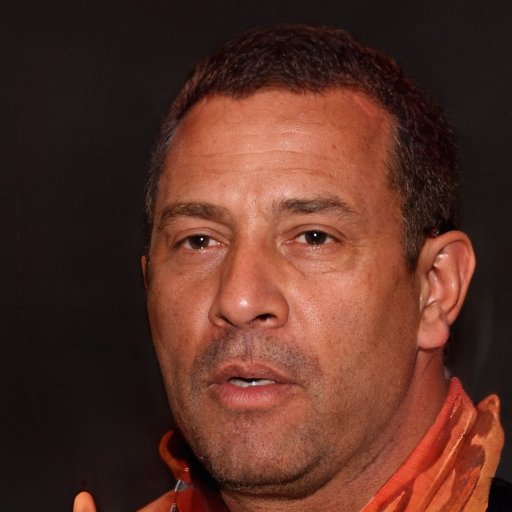
Michael Gero is a licensed property recovery expert with over 20 years of hands-on experience in the disaster restoration industry. As a veteran specialist, Michael is recognized for his technical mastery and commitment to structural integrity, helping residential and commercial clients navigate complex mitigation projects while ensuring every site meets rigorous safety and environmental standards.
𝗖𝗲𝗿𝘁𝗶𝗳𝗶𝗰𝗮𝘁𝗶𝗼𝗻𝘀: Michael is highly credentialed through the IICRC, holding advanced certifications in Water Damage Restoration (WRT), Mold Remediation (AMRT), Applied Structural Drying (ASD), Odor Control (OCT), and Fire and Smoke Restoration (FSRT).
𝗙𝗮𝘃𝗼𝗿𝗶𝘁𝗲 𝗣𝗮𝘀𝘁𝗶𝗺𝗲: An avid outdoorsman and classic car enthusiast, Michael enjoys spending his weekends restoring vintage engines and exploring scenic hiking trails with his family.
𝗕𝗲𝘀𝘁 𝗣𝗮𝗿𝘁 𝗼𝗳 𝘁𝗵𝗲 𝗝𝗼𝗯: Michael finds the most fulfillment in providing a sense of stability. He prides himself on being a steady, empathetic guide for families during crises, transforming a site of devastation back into a safe, comfortable sanctuary.