Trusted by 150+ Homeowners
What Is The Process For Disaster Relief Funding After A Major Flood?
- Over 150 5-Star Reviews
- Free Estimates and Quotes
- 100% Satisfaction Guaranteed
- Child, Family & Pet Safe Steps
- 24-Hour Emergency Service
- Fully Licensed & Insured

Disaster relief funding after a major flood involves understanding government aid and insurance claims. The process can be complex, but knowing the steps helps secure necessary funds.
Securing disaster relief funding after a major flood requires careful documentation and application. You’ll navigate insurance policies and government programs.
TL;DR:
- Assess flood damage thoroughly and document everything with photos/videos.
- Contact your insurance company immediately to start the claims process.
- Explore federal and state disaster relief programs if your losses exceed insurance.
- Keep detailed records of all expenses and communications.
- Understand that rebuilding and recovery can be a lengthy process.
What Is the Process for Disaster Relief Funding After a Major Flood?
When floodwaters recede, the real work begins: recovery. Understanding how to access disaster relief funding is crucial. This process often involves several stages. You’ll deal with insurance companies and potentially government agencies. Navigating this can feel overwhelming, but we’re here to break it down.
Initial Steps: Damage Assessment and Documentation
The very first thing you must do is assess the damage. Take a deep breath and document everything. Use your phone to take clear photos and videos of the affected areas. Note the extent of water damage, any structural issues, and damaged belongings. This documentation is your proof for insurance claims and aid applications.
Why Documentation is Key
Without thorough documentation, it’s hard to prove the extent of your loss. This is especially true for hidden damage after moisture exposure. Clear records help ensure you receive the compensation you deserve. It’s the foundation for any funding request.
Contacting Your Insurance Company
Once you’ve documented the damage, it’s time to contact your insurance provider. If you have flood insurance, this is your primary source of recovery funds. Report the damage promptly. Your policy will outline the claims process. Be prepared to provide your documentation.
Understanding Your Policy
Read your insurance policy carefully. Understand what is covered and what isn’t. Many standard homeowner policies do not cover flood damage unless you have a separate flood insurance policy. Knowing your coverage helps manage expectations.
Navigating the Insurance Claims Process
The insurance adjuster will likely visit your property. They will assess the damage and estimate repair costs. You should also have your own estimates, especially from restoration professionals. This is where understanding what must be replaced after a major flood becomes critical. Be ready to discuss your findings and negotiate if necessary.
What If Insurance Isn’t Enough?
Sometimes, insurance doesn’t cover the full extent of the damage. This is especially true after a severe storm or if you had limited coverage. In these cases, you’ll need to look for other sources of disaster relief funding.
Exploring Government Disaster Relief Programs
When a flood is declared a major disaster, federal and state agencies can step in. The Federal Emergency Management Agency (FEMA) is a primary source of aid. You can apply for assistance through FEMA if your home is in a declared disaster area.
FEMA Assistance Explained
FEMA provides grants for temporary housing and home repairs. They can also offer funds for other disaster-related needs. You typically need to apply online or by phone. Be prepared to provide personal information and details about your losses. This is a critical step if you are facing significant damage.
State and Local Aid
Don’t forget about state and local programs. Many states have their own disaster relief funds or emergency programs. Your local emergency management agency can provide information on these resources. They often work in conjunction with federal aid.
The Role of Non-Profits and Charities
Many charitable organizations offer assistance after major disasters. Groups like the American Red Cross or local community foundations can provide immediate relief. This might include temporary shelter, food, or financial aid for essential needs. These organizations are vital for immediate support.
The Importance of Professional Restoration Services
While you’re navigating funding, the actual restoration work needs to begin. This is where professional restoration companies play a huge role. They have the expertise to handle water damage safely and effectively. Their work is often essential for making your home habitable again.
Restoration Companies and Funding
Restoration companies can often work directly with your insurance. They can provide detailed estimates that are insurance-ready. Understanding the role of restoration companies after a natural disaster is important for a smooth recovery. They help with everything from water extraction to mold remediation.
Steps to Take Before Problems Spread
It’s vital to act quickly. The longer water sits, the more damage it causes. Mold can start to grow within 24-48 hours. Engaging a restoration company early can prevent further issues. These are critical prevention measures before problems spread and costs escalate.
| Funding Source | Type of Aid | How to Apply |
|---|---|---|
| Homeowner’s Insurance | Repair/Replacement Costs | Contact your insurance agent/company |
| Flood Insurance | Specific Flood Damage | Contact your flood insurance provider |
| FEMA | Housing, Repairs, Other Needs | FEMA.gov or by phone |
| State/Local Programs | Varies (housing, financial) | Contact local emergency management |
| Charities | Immediate needs (food, shelter) | Contact specific organization |
Managing Your Recovery Finances
Keeping track of all expenses is paramount. Create a dedicated folder for all receipts, invoices, and communications. This meticulous record-keeping is essential for all your funding applications. It helps demonstrate the true cost of the disaster.
Budgeting for Repairs and Living Expenses
Recovery is not just about repairs. You might need to budget for temporary housing or alternative living arrangements. If your home is uninhabitable, finding emergency housing after a major home disaster is a priority. Factor in daily living expenses that may increase.
Common Pitfalls to Avoid
Be wary of scams. Unfortunately, some individuals prey on disaster victims. Always verify the credentials of contractors and aid providers. Do not pay large sums upfront for repairs. Trust reputable sources for assistance and repair services.
The Long Road to Recovery
Understand that disaster relief funding and recovery take time. There will be paperwork, inspections, and waiting periods. Patience and persistence are key. Don’t hesitate to seek expert advice today from restoration professionals and financial advisors.
Steps to Reduce Future Damage
Once your home is restored, consider steps that reduce future damage. This might include improving your home’s drainage or elevating utilities. Implementing these prevention measures can save you immense stress and cost down the line. Think about what causes water entering through basement walls and address it.
Conclusion
The process for disaster relief funding after a major flood can be challenging, but it is manageable with the right approach. Thorough documentation, prompt insurance claims, and exploring all available government and charitable aid are essential. Remember to prioritize safety and professional restoration to ensure your home is rebuilt correctly and safely. Tucson Restoration Aider is here to help guide you through the restoration process, offering expert advice and support when you need it most.
What is the first thing I should do after a flood?
Your immediate priority is safety. Check for structural damage and electrical hazards. If it’s safe, start documenting the damage with photos and videos. Then, contact your insurance company.
How long does FEMA assistance take?
The timeline for FEMA assistance can vary greatly. It depends on the number of applications received and the complexity of the damage. Some aid may be available quickly, while larger repair grants can take longer.
Can I get help if I don’t have flood insurance?
Yes, you may still be eligible for certain types of disaster relief funding from FEMA or state programs, even without flood insurance. However, flood insurance is the primary way to cover flood-specific damage.
What if my basement floods when it rains?
Basement flooding during rain can be due to several factors, including poor drainage, cracks in the foundation, or a high water table. Addressing the root cause is key, and professionals can help diagnose issues like water entering through basement walls or moisture collecting around the foundation.
How do I prove the extent of water damage?
Use clear photos and videos taken from multiple angles. Keep detailed notes of damaged items and areas. Professional restoration companies can also provide detailed assessments and reports that serve as strong evidence.
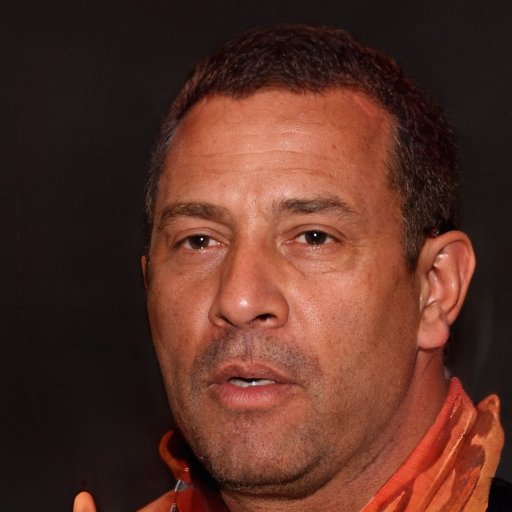
Michael Gero is a licensed property recovery expert with over 20 years of hands-on experience in the disaster restoration industry. As a veteran specialist, Michael is recognized for his technical mastery and commitment to structural integrity, helping residential and commercial clients navigate complex mitigation projects while ensuring every site meets rigorous safety and environmental standards.
𝗖𝗲𝗿𝘁𝗶𝗳𝗶𝗰𝗮𝘁𝗶𝗼𝗻𝘀: Michael is highly credentialed through the IICRC, holding advanced certifications in Water Damage Restoration (WRT), Mold Remediation (AMRT), Applied Structural Drying (ASD), Odor Control (OCT), and Fire and Smoke Restoration (FSRT).
𝗙𝗮𝘃𝗼𝗿𝗶𝘁𝗲 𝗣𝗮𝘀𝘁𝗶𝗺𝗲: An avid outdoorsman and classic car enthusiast, Michael enjoys spending his weekends restoring vintage engines and exploring scenic hiking trails with his family.
𝗕𝗲𝘀𝘁 𝗣𝗮𝗿𝘁 𝗼𝗳 𝘁𝗵𝗲 𝗝𝗼𝗯: Michael finds the most fulfillment in providing a sense of stability. He prides himself on being a steady, empathetic guide for families during crises, transforming a site of devastation back into a safe, comfortable sanctuary.