Gladden Farms, AZ · Pima County
AC Unit Water Removal in Gladden Farms, AZAir Conditioner Restoration Services & Wet AC Unit Component Drying
Get AC unit water removal in Gladden Farms: AC leak water extraction, wet AC unit component drying and air conditioner restoration services.
Answered 24/7
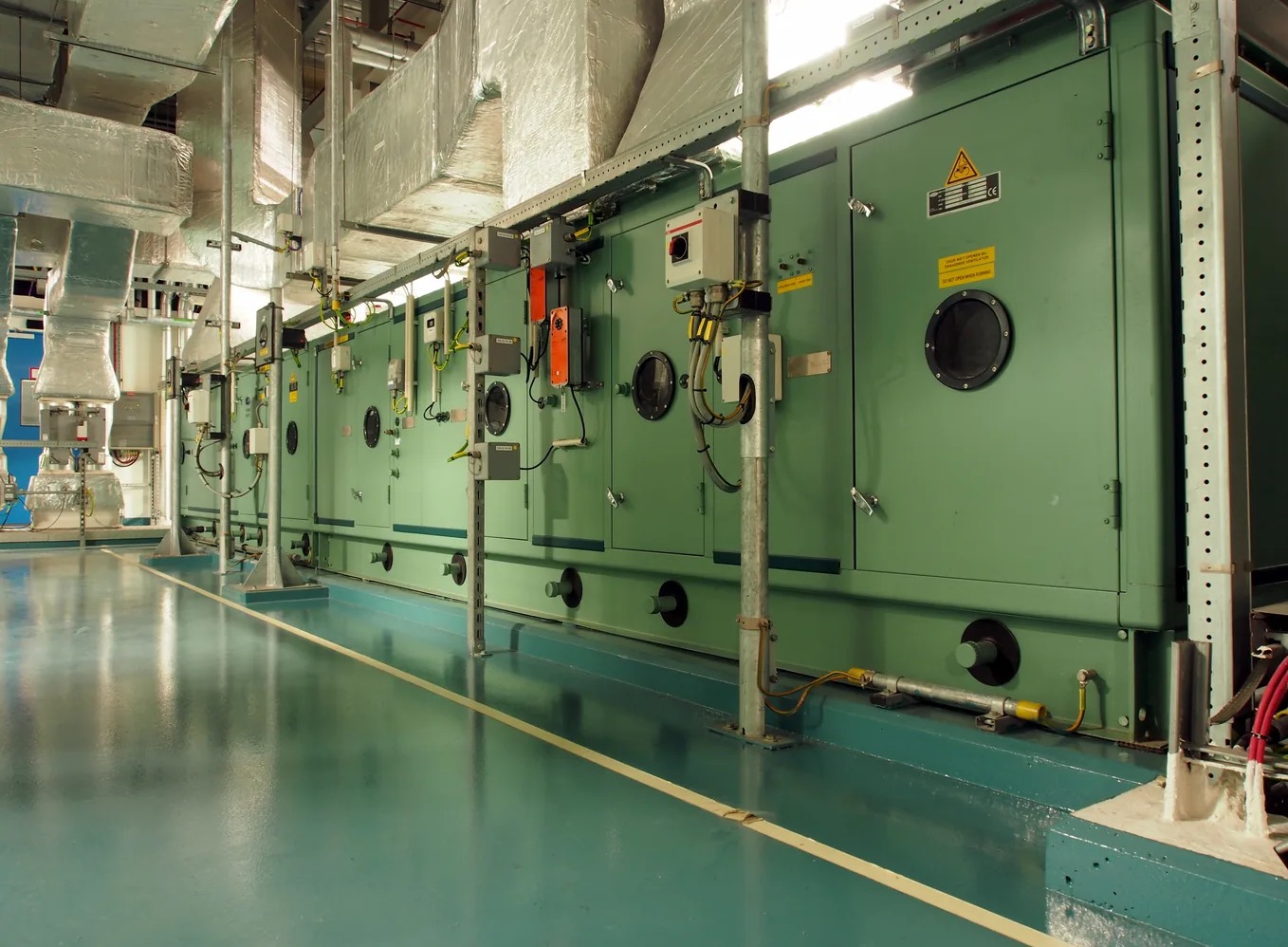
Professional AC Unit Water Removal in Gladden Farms, AZ
An air conditioner pulls gallons of water out of the air on a hot day. When the drain line clogs or the pan cracks, that water lands on ceilings, walls and floors in Gladden Farms homes instead of draining outside.
In Gladden Farms, Rillito, Avra Valley and Picture Rocks, long cooling seasons give algae plenty of time to clog drain lines. The pros remove the water, clear the line and dry ceilings, walls and flooring before the damage spreads further into framing, insulation and the rooms nearby.
Detailed AC Unit Water Removal Offerings for Gladden Farms
Air Conditioner Restoration Services
Restoration covers the repairs left after a leak: cut-out drywall, stained ceilings, swollen baseboards and soaked insulation.
Wet AC Unit Component Drying
Wet blower motors, panels and wiring are dried with gentle airflow and dehumidifiers rather than direct heat, which lowers the risk of corrosion and shorts.
AC Leak Water Cleanup
Cleanup starts at the drain pan and works outward, removing pooled water and wet debris so drying can begin.
AC Leak Mold Prevention
Surfaces that stayed damp, such as framing under the air handler, are treated after drying so leftover spores have less to feed on.
AC Leak Water Extraction
Extraction is followed by drying with air movers and dehumidifiers, with daily readings to track progress.
Signs of AC Water Damage Requiring Removal
Visible Mold Near AC
Dark spots on drywall or framing near the unit mean the area has stayed wet for days.
Unusual AC System Noises
Gurgling or dripping sounds from the unit can mean water is backing up in the drain line.
Water on the Floor
A puddle around the air handler or furnace closet is the most direct sign of a leak.
Condensation Line Dripping
A condensate line that drips inside instead of outside has a crack, loose fitting or clog.
How AC Unit Water Removal Works in Gladden Farms
Step 1: AC Leak Water Cleanup
Pooled water is removed from around the air handler and from any rooms or ceilings the leak reached.
Step 2: AC Drain Pan Water Extraction
The primary and secondary pans are emptied and checked for cracks, rust holes or a stuck float switch.
Step 3: Component and Structure Drying
Wet panels, framing and subfloor are dried with targeted airflow and dehumidifiers until readings are normal.
Step 4: Documentation and Prevention
Photos and readings are recorded for insurance, and simple drain upkeep tips are shared to prevent a repeat.
Why AC Units Leak and Need Water Removal
Damaged AC Drain Pan
Metal pans rust through and plastic pans crack with age, letting water drip straight through.
Excess Outdoor Humidity
Very humid air makes the coil produce more water than a partly clogged drain can carry.
Failed Condensate Pump
Units that pump condensate uphill depend on a small pump. When it fails, the reservoir overflows.
Improper AC Unit Installation
A unit that is not level, or a drain line without enough slope, lets water pool instead of draining.
Both Residential & Commercial AC Unit Water Removal in Gladden Farms
Residential AC Unit Water Removal
In a home, an AC leak usually hits a hallway ceiling, a closet floor or the carpet near the air handler. Water removal and drying start there, followed by drywall repair if needed.
Commercial AC Unit Water Removal
In offices and stores, a leaking rooftop or ceiling unit drips onto desks, stock and floors and creates slip hazards. Work can be scheduled around business hours where possible.
The Risks of DIY AC Unit Water Removal in Gladden Farms
You can turn off the AC, empty the pan and towel up a puddle yourself. Moisture already inside drywall or subflooring is harder, because it takes meters to find and drying equipment to remove it.
What Affects AC Unit Water Removal Expense in Gladden Farms
In Gladden Farms, most of the cost comes from extraction, equipment days and any drywall or insulation that has to be replaced. A walk-through sets the scope before work starts.
Required Drying Time
Dense materials and enclosed spaces take longer to dry, which means more equipment days.
Leak Source and Severity
A slow drip near the closet costs less to fix than an attic overflow that soaked a ceiling and the room below.
Preventative Treatment Scope
Antimicrobial treatment is an optional step, priced by the size of the area treated.
Does Insurance Cover AC Unit Water Removal?
Many homeowner policies cover sudden water damage from an AC leak but not repairs to the unit itself or slow leaks from poor upkeep. Read your policy and call your insurer early.
Benefits of Local Pros for AC Unit Water Removal in Gladden Farms
Systematic Drain Line Clearing
The condensate line is cleared, not just the water mopped up, so the leak does not come right back.
Leak Source Identification
The pros trace the leak to its source, whether that is a clog, a cracked pan or a failed pump.
Drain Pan Extraction
Both the main pan and the safety pan are emptied and checked for damage.
24/7 Emergency AC Unit Water Removal in Gladden Farms
Every hour of standing water means more drying later and more materials to replace. Call (520) 286-8912 for AC unit water removal in Gladden Farms as soon as you see the leak.
Call Now (520) 286-8912AC Unit Water Removal Throughout Gladden Farms and Beyond
Each place listed below has its own page with local details.
- AC Unit Water Removal in Marana
- AC Unit Water Removal in Rillito
- AC Unit Water Removal in Avra Valley
- AC Unit Water Removal in Picture Rocks
- AC Unit Water Removal in Continental Ranch
- AC Unit Water Removal in Summerhaven
- AC Unit Water Removal in Corona de Tucson
- AC Unit Water Removal in Mount Lemmon
AC Unit Water Removal FAQs
What equipment is used to dry AC leak damage?
Extractors, air movers, dehumidifiers and moisture meters, plus wet vacs or pumps for the drain line.
What is involved in AC unit water removal?
Standing water is extracted, the condensate line is cleared, and wet materials are dried with air movers and dehumidifiers until moisture readings are normal.
How quickly should I deal with an AC leak?
Right away. Water that sits for more than a day or two soaks into drywall and insulation and raises the risk of microbial growth.
How long does drying take after an AC leak?
Often several days, depending on the materials and how long they were wet. Daily readings track progress.
Can a wet AC unit be saved after a leak?
Often yes. Components are dried gently and checked, but an HVAC contractor should inspect electrical parts before the unit runs again.