Redington, AZ · Pima County
AC Unit Water Removal in Redington, AZWet AC Unit Component Drying & AC Leak Water Cleanup
AC Unit Water Removal in Redington covers AC leak water cleanup, AC condensate drain clearing and wet AC unit component drying.
Answered 24/7
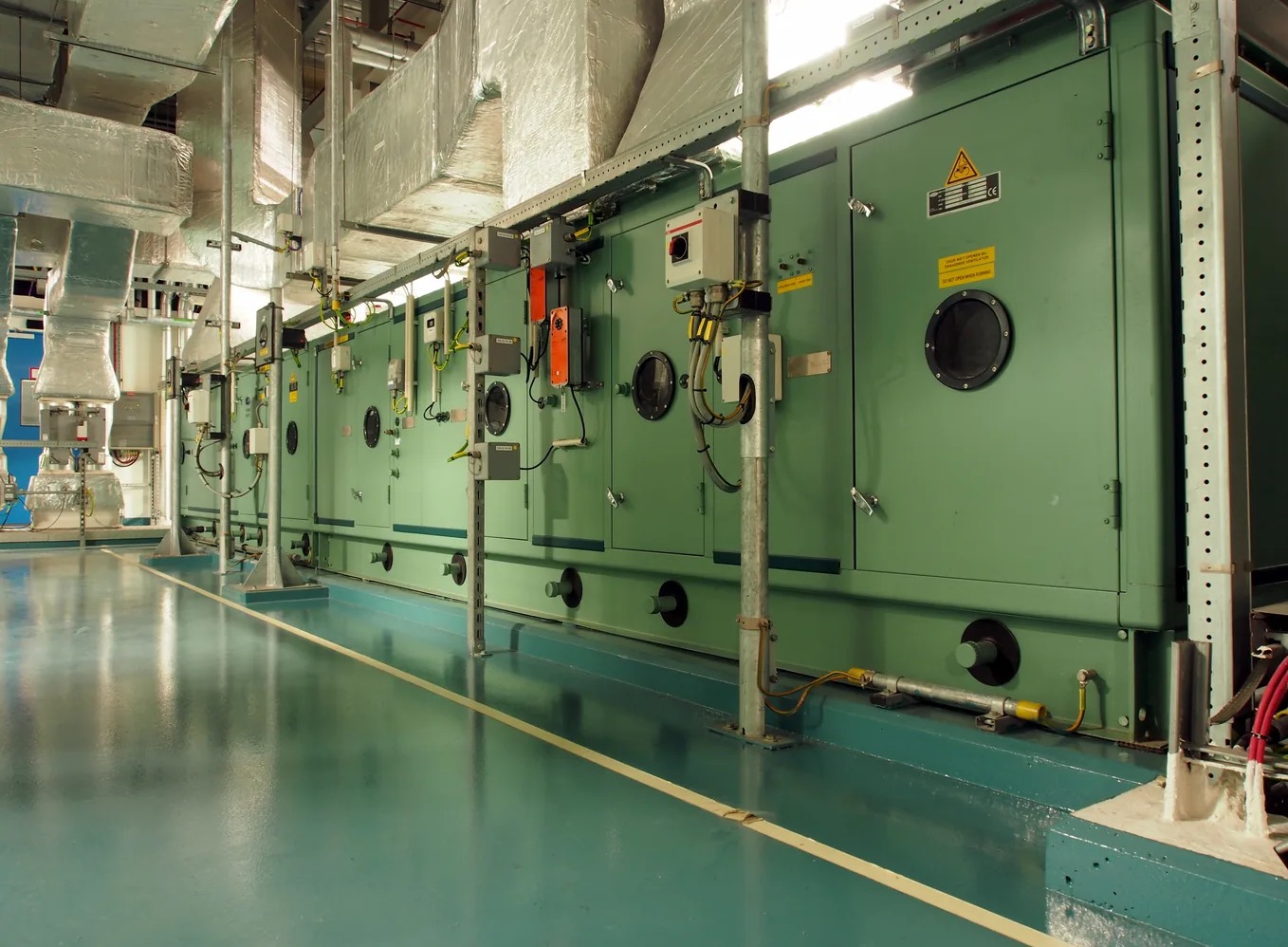
Expert AC Unit Water Removal for Redington Homes
AC Unit Water Removal in Redington deals with leaks from air handlers, condensate lines and drain pans. Acting early keeps a minor drip from soaking the insulation, the wall framing and the ceiling directly below the unit.
Property owners in Redington can call (520) 286-8912 day or night when an air handler starts leaking. Service also covers Cascabel, San Manuel and Summerhaven, with the same extraction, drain clearing and drying process for attic, closet and garage units in houses, condos and apartments.
Comprehensive AC Unit Water Removal Solutions in Redington
Wet AC Unit Component Drying
Damp insulation inside the cabinet holds water for a long time. It is dried in place or replaced if it stays wet.
AC Leak Water Cleanup
Cleanup starts at the drain pan and works outward, removing pooled water and wet debris so drying can begin.
AC Drain Pan Water Extraction
A soaked pan in an attic unit is a ceiling leak waiting to happen. Extracting it quickly protects the drywall underneath.
AC Leak Water Extraction
Water is removed from every wet surface the leak reached, including closets and rooms below an attic air handler.
AC Leak Mold Prevention
Surfaces that stayed damp, such as framing under the air handler, are treated after drying so leftover spores have less to feed on.
How to Know You Need AC Unit Water Removal in Redington
AC Drain Pan Overflow
Water at the rim of the drain pan, or in the secondary pan, means the condensate line is blocked.
Wet AC Unit Components
Damp coils, a wet blower compartment or moisture around wiring inside the cabinet mean water is collecting where it should not.
Water Stains on Walls
Brown rings or peeling paint on the ceiling under an attic unit, or on walls near the closet, point to a slow leak.
AC Unit Circuit Breaker Trips
Water reaching electrical parts can trip the breaker. Shut the unit off and call before resetting it again.
How AC Unit Water Removal Works in Redington
Step 1: AC Leak Water Cleanup
Pooled water is removed from around the air handler and from any rooms or ceilings the leak reached.
Step 2: AC Drain Pan Water Extraction
The primary and secondary pans are emptied and checked for cracks, rust holes or a stuck float switch.
Step 3: Component and Structure Drying
Wet panels, framing and subfloor are dried with targeted airflow and dehumidifiers until readings are normal.
Step 4: Documentation and Prevention
Photos and readings are recorded for insurance, and simple drain upkeep tips are shared to prevent a repeat.
Common Causes of AC Water Damage in Redington
Age and Component Wear
Older units have worn fittings, brittle seals and corroded pans that start leaking together.
High Static Pressure in Ducts
Restricted ducts can pull water off the coil and blow it into the cabinet or ductwork.
Excess Outdoor Humidity
Very humid air makes the coil produce more water than a partly clogged drain can carry.
Clogged AC Condensation Line
Algae and sludge build up in the drain line over a cooling season until water backs up into the pan.
AC Unit Water Removal Services for All Properties in Redington
Residential AC Unit Water Removal
In apartments and condos, an AC leak can spread through the floor or ceiling to the unit below. Fast extraction limits the spread and the number of neighbors affected.
Commercial AC Unit Water Removal
In restaurants and retail spaces, water near equipment, wiring and walkways is removed first. That reduces slip and electrical hazards while the rest of the area dries.
Why DIY AC Water Removal Often Fails in Redington
Pouring a cup of diluted vinegar into the drain line each season helps prevent algae clogs. Once water spreads past the unit into walls, ceilings or flooring, it is time to call local water extraction experts for extraction and drying.
Understanding AC Unit Water Removal Pricing in Redington
Pricing for AC unit water removal in Redington is set after an inspection. The pros measure the wet area, check for hidden moisture and explain each item before starting.
Emergency Service Timing
After-hours and holiday response can cost more than a scheduled weekday visit.
System Restoration Complexity
Replacing drywall, insulation or trim after drying adds material and labor to the total.
Leak Source and Severity
A slow drip near the closet costs less to fix than an attic overflow that soaked a ceiling and the room below.
Does Insurance Cover AC Unit Water Removal?
Many homeowner policies cover sudden water damage from an AC leak but not repairs to the unit itself or slow leaks from poor upkeep. Read your policy and call your insurer early.
Reasons to Select Local Pros in Redington for AC Unit Water Removal
Drain Pan Extraction
Both the main pan and the safety pan are emptied and checked for damage.
Industry Drying Standards
Drying follows industry water damage standards, with moisture readings at each visit.
Preventative Microbial Treatment
Optional antimicrobial treatment can be applied to wood and drywall that stayed wet for days.
24/7 Emergency AC Unit Water Removal Response in Redington
Do not wait for a stained ceiling to start sagging under the weight of the water. Call (520) 286-8912 now for AC unit water removal in Redington and get the drying started.
Call Now (520) 286-8912AC Unit Water Removal Throughout Redington and Beyond
Other places served are listed below, each with its own page.
AC Unit Water Removal FAQs
How quickly should I deal with an AC leak?
Right away. Water that sits for more than a day or two soaks into drywall and insulation and raises the risk of microbial growth.
What is involved in AC unit water removal?
Standing water is extracted, the condensate line is cleared, and wet materials are dried with air movers and dehumidifiers until moisture readings are normal.
What are signs I need water removed from around my air conditioner?
Puddles near the unit, ceiling stains, a musty smell, a full drain pan or an AC that shuts off on its own.
Why does the drain pan need to be emptied?
A full pan overflows into ceilings and floors. Emptying and inspecting it stops the spill and shows whether the pan is cracked.
What happens if I ignore a drain pan overflow?
The leak keeps wetting the same materials, which can lead to rot, ceiling damage and microbial growth.