Why, AZ · Pima County
Antimicrobial Treatment Services in Why, AZMold Remediation Antimicrobial Treatment & Emergency Sewage Sanitization
Local antimicrobial treatment pros offer Antimicrobial Treatment Services in Why, including HVAC duct sanitization, crawl space antimicrobial treatment and emergency sewage sanitization.
Answered 24/7
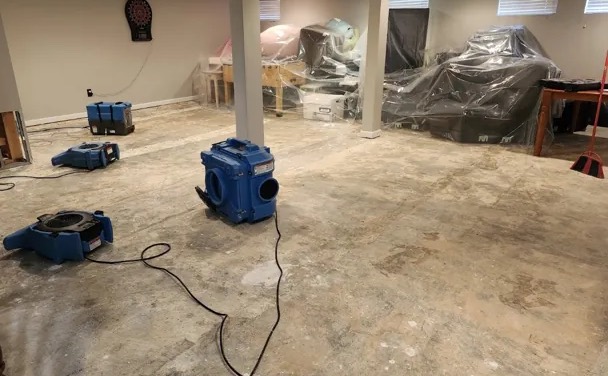
Local Antimicrobial Treatment Services for Why Properties
In Why, antimicrobial treatment is a finishing step after water damage, not a shortcut. It works on clean, dry surfaces and helps slow microbial growth on framing, subfloor and concrete that can be kept.
In Why, antimicrobial treatment is usually part of a larger water damage job. Local antimicrobial treatment pros serve Why, Pisinemo, Santa Rosa and Sells, treating framing, subfloors and hard surfaces once drying is complete.
Antimicrobial Treatment Services Options for Why Properties
Mold Remediation Antimicrobial Treatment
Remaining studs, joists and sheathing are cleaned, then coated with an antimicrobial so leftover spores have a harder time taking hold again.
Emergency Sewage Sanitization
Emergency sanitization starts with removing the contaminated water and soaked materials. Disinfection follows once surfaces are clean.
Post Flood Disinfection Services
Disinfection after a flood covers the lower walls, floors and anything kept from the affected rooms, once the standing water is gone.
Bathroom Mold Treatment
Treatment works only if the moisture source is stopped. Leaking fixtures and poor exhaust ventilation are pointed out so the problem does not return.
HVAC Duct Sanitization
Ducts that pulled in damp, musty air are cleaned before treatment. The source of the moisture, such as a full drain pan, is fixed first.
Signs You Need Professional Antimicrobial Treatment
Stains Found During Repairs
Dark or damp framing found when opening a wall or floor is a common reason to dry and treat before closing it up.
Wet Materials Left for Days
Drywall, carpet or framing that stayed wet for more than a couple of days is a likely place for microbial growth.
Visible Mold on Surfaces
Dark spots on drywall, wood or grout after a leak mean the surface stayed wet long enough to need cleaning and treatment.
Recurring Mold After Cleaning
Spots that come back after cleaning usually mean the material is still wet inside or the leak was never fixed.
How Antimicrobial Treatment Services Work in Why
Step 1: Source Identification
The leak, flood or backup that caused the damage is traced and stopped before any treatment begins.
Step 2: Source Removal and Decontamination
Contaminated water and soaked porous materials such as carpet pad and drywall are removed with protective gear.
Step 3: Air and Surface Disinfection
Hard surfaces are washed and then disinfected, and air scrubbers filter dust from the room while work continues.
Step 4: Drying Validation and Odor Control
Moisture readings confirm the materials are dry, and any lingering odors are addressed with extra cleaning or deodorizing.
Why Properties in Why Need Antimicrobial Treatment
Sewage Backups and Toilet Overflows
Sewage carries bacteria and other contaminants that require disinfection of every surface it touches.
Plumbing Leaks and Pipe Bursts
Leaking supply lines and burst pipes soak walls and floors, and materials that stay wet can start to grow microbes.
Storm Flooding and Natural Disasters
Floodwater carries soil and contaminants into walls, floors and anything it reaches.
Inadequate Drying After Water Damage
Water damage that was mopped up but never fully dried leaves moisture inside walls and under floors.
Residential and Commercial Antimicrobial Treatment Services in Why
Residential Antimicrobial Treatment Services
At home, treatment usually follows a sewage backup, a flooded floor or a leak found inside a wall. Kitchens, bathrooms and crawl spaces are the most common areas treated after drying.
Commercial Antimicrobial Treatment Services
In offices, restaurants and stores, treatment is planned around business hours where possible. Surfaces used by staff and customers are cleaned and disinfected before the space reopens.
Antimicrobial Treatment Services vs. DIY: When to Call the Pros
Running a dehumidifier and fixing a leaky fixture are good DIY steps. If a musty smell remains after a week, there is likely hidden moisture that needs to be found with meters.
Factors Affecting Antimicrobial Treatment Services Pricing in Why
The cost of antimicrobial treatment services in Why depends on the size of the area, the type of water involved and how much material has to be removed first. Spot treatment costs less than a whole floor.
Contamination Severity
Sewage and floodwater need more removal and disinfection than a clean water leak, which raises the cost.
Access and Containment
Crawl spaces, attics and ductwork take longer to reach and may need containment.
Service Type Complexity
Fogging a whole room costs more than spot treatment of framing after a small leak.
Does Insurance Cover Antimicrobial Treatment Services?
Coverage for antimicrobial treatment services varies from policy to policy. The pros document the work and the materials treated, but your insurer decides what is covered and what is not.
Value of Local Pros for Antimicrobial Treatment Services in Why
Detailed Scope of Work
You get a written list of what will be removed, cleaned and treated before work starts.
Industry Cleaning Standards
Cleaning and treatment follow industry water damage standards, applied only after the area is dry.
Surface and Air Treatment
Hard surfaces are cleaned and disinfected, and air scrubbers can be used while work is under way.
24/7 Emergency Antimicrobial Treatment Services in Why
Do not wait for stains to spread after a flood. Call (520) 286-8912 for cleaning, disinfection and antimicrobial treatment services in Why once the water is out.
Call Now (520) 286-8912Antimicrobial Treatment Services in Why
Other places served are listed below, each with its own page.
- Antimicrobial Treatment Services in Pisinemo
- Antimicrobial Treatment Services in Santa Rosa
- Antimicrobial Treatment Services in Sells
- Antimicrobial Treatment Services in Topawa
- Antimicrobial Treatment Services in Stanfield
- Antimicrobial Treatment Services in Double Adobe
- Antimicrobial Treatment Services in McNeal
- Antimicrobial Treatment Services in Naco
Frequently Asked Questions About Antimicrobial Treatment Services
How do I know if I need mold remediation antimicrobial treatment?
If framing or subfloor stayed wet for days, shows dark spots after drywall removal or smells musty, it likely needs cleaning and treatment after drying.
Where is crawl space antimicrobial treatment usually needed?
On joists, subfloor and sill plates that got wet from a plumbing leak or seepage, after the space is dried and debris removed.
Is HVAC duct sanitization useful after water damage?
It can be, if water or damp air reached the ducts. Ducts are cleaned first, and the moisture source is fixed before any treatment.
How soon after a flood should post flood disinfection begin?
Right after the water is removed and soaked materials are taken out. Surfaces are cleaned first, then disinfected and dried.
What is involved in post remediation cleaning?
After damaged materials are removed, the area is HEPA vacuumed and wiped down so dust and debris are gone before rebuilding.