Flowing Wells, AZ · Pima County
Attic Water Removal in Flowing Wells, AZRoof Leak Water Removal & Attic Moisture Inspection
Attic Water Removal in Flowing Wells runs from roof leak water removal and wet attic insulation removal to ceiling water damage cleanup.
Answered 24/7
Professional Attic Water Removal in Flowing Wells, AZ
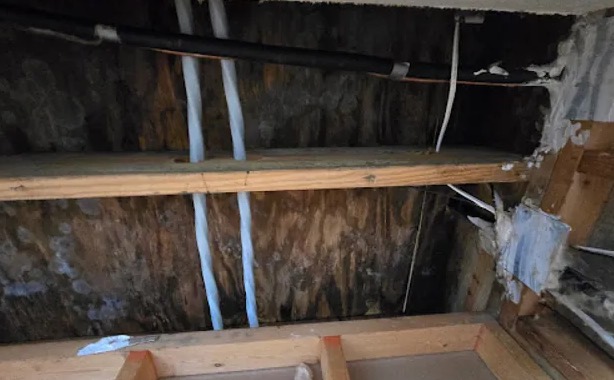
Attic leaks that run for a long time in Flowing Wells can rot roof decking and rust fasteners. Even after the roof is fixed, that wood stays wet unless it is dried.
A heavy storm in Flowing Wells can push water into an attic overnight. Local attic drying specialists serve Flowing Wells and nearby Sam Hughes, South Tucson and Casas Adobes, with help available around the clock.
Detailed Attic Water Removal Solutions
Roof Leak Water Removal
A temporary tarp over the damaged section keeps more rain out until the roofer can make a permanent repair.
Attic Moisture Inspection
The inspection shows the full spread of the leak, so every wet area is either dried or removed.
Emergency Attic Water Extraction
Water sitting on top of ceiling drywall adds weight fast. Removing it quickly can mean the difference between drying a ceiling and replacing it.
Attic Drying Services
Drying continues until rafters, decking and ceiling drywall reach normal moisture readings, which is often several days.
Wet Attic Insulation Removal
Fiberglass batts are lifted out by hand, while wet blown-in insulation is vacuumed with a high-powered insulation vacuum.
When to Consider Attic Water Removal in Flowing Wells
Wet or Damp Attic Insulation
Insulation that feels damp, looks dark or has packed down in one area has absorbed water.
Puddles or Standing Water in Attic
Pooled water on the attic floor or on top of drywall needs removal right away.
Visible Mold in Attic Spaces
Dark spots on rafters or roof decking mean the wood has stayed damp for days or longer.
Increased Indoor Humidity Levels
Upstairs rooms that feel sticky or humid may have moisture coming down from the attic.
How Attic Water Removal Works in Flowing Wells
Step 1: Source Control and Water Removal
The roof is tarped or the line shut off, and pooled water is removed from the attic floor.
Step 2: Wet Attic Cleanup and Debris Removal
Soaked insulation, wet debris and stored items are cleared so the wood and drywall can dry.
Step 3: Structural Drying and Dehumidification
Air movers and dehumidifiers are set on boards in the attic and run until readings drop.
Step 4: Final Attic Moisture Check
Decking, rafters and the ceiling below are tested to confirm they are dry before repairs.
Why Attics Develop Water Damage
Storm Damage From High Winds or Hail
High winds and hail can damage shingles and open the roof to rain during a storm.
Flashing Failures Around Roof Penetrations
Failed flashing around vents, chimneys and skylights lets rain run into the attic.
Condensation From Poor Attic Ventilation
Moist air from the house condenses on roof decking when attic ventilation is poor.
Burst or Leaking Plumbing Pipes
Supply lines and drain pipes in the attic can crack or burst onto the ceiling.
Attic Water Removal for Homes and Businesses
Residential Attic Water Removal
In townhomes and condos, a shared attic can carry water into a neighbor's ceiling. Clear photos and readings help sort out repairs with the association.
Commercial Attic Water Removal
Property managers get records for each affected suite or unit, which helps with roof repair planning and insurance claims.
Attic Water Removal vs. DIY: When to Call the Pros
Catching drips with a bucket and moving furniture out of the way is a smart first step. Call local attic drying specialists if water is pooling in the attic, the ceiling is stained or sagging, or insulation is wet.
What Affects Attic Water Removal Cost in Flowing Wells
The cost of attic water removal in Flowing Wells depends on how far the water spread, how much insulation is wet and whether ceiling drywall below must be replaced.
Access and Attic Complexity
Low headroom and small access hatches make attic work slower than open spaces.
Emergency Service Timing
Storm, night and holiday calls can cost more than a scheduled visit.
Drying Time Required
Dense wood framing can take several days to dry, which adds equipment time.
Does Insurance Cover Attic Water Removal?
Many homeowner policies cover sudden attic leaks from storms or burst pipes, but not damage from worn roofing or slow leaks. Read your policy and call your insurer early.
Benefits of Local Pros for Attic Water Removal
Post-Cleanup Verification
Final readings confirm the attic is dry before new insulation goes in.
Controlled Demolition Practices
Only wet insulation and drywall are removed, which keeps the repair as small as possible.
Structural Drying Focus
Rafters, decking and the ceiling are dried, not just the spot under the drip.
Round-the-Clock Attic Water Removal for Flowing Wells
Night, weekend or holiday, the specialists handle attic water in Flowing Wells. Call (520) 286-8912 to get the water out and the ceiling protected.
Call Now (520) 286-8912Communities Served for Attic Water Removal
Other places served are listed below, each with its own page.
Attic Water Removal FAQs
How do professionals dry an attic?
With air movers and dehumidifiers placed on boards across the joists, checking moisture readings daily until the wood is dry.
How long does attic drying take?
Often several days, depending on how wet the wood is, the attic temperature and how much insulation was removed.
What are attic dehumidification services?
Dehumidifiers placed in the attic pull moisture from the air and wood, speeding drying after a leak.
What is involved in attic water removal?
Stopping the source, removing pooled water, bagging wet insulation, drying the framing and decking, and checking the ceiling below.
Can wet attic insulation be saved?
Lightly damp areas sometimes dry, but soaked or matted insulation is usually removed and replaced after the attic dries.