Summit, AZ · Pima County
Damage Restoration Services in Summit, AZMold Remediation Services & Firefighting Water Cleanup
Get Damage Restoration Services in Summit for emergency water extraction, sewage backup cleanup and storm damage repair.
Answered 24/7
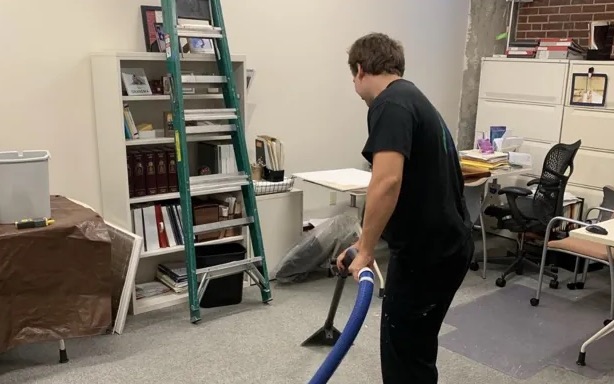
Expert Damage Restoration Services Available in Summit
Damage Restoration Services in Summit work for homes and businesses alike. Businesses often need work planned around hours, while families need to know which rooms they can still use.
Homes and businesses in Summit and nearby Littletown, Midvale Park and Drexel-Alvernon face water damage from plumbing, storms and sewer backups. Help with damage restoration services covers extraction, structural drying and cleanup after each.
Detailed Damage Restoration Services for Summit Homes and Businesses
Mold Remediation Services
The moisture source is found and stopped first, since mold returns if the area keeps getting wet.
Firefighting Water Cleanup
After a fire is put out, the water used by firefighters soaks floors, walls and ceilings. That water is extracted and the structure is dried.
Fire Sprinkler Water Cleanup
Wet, soiled carpet and drywall from firefighting water are removed, and the remaining structure is dried and checked with readings.
Storm Damage Repair
After a storm, water that came through the roof, windows or doors is extracted, and wet ceilings, walls and floors are dried.
Smoke Damage Cleanup
After a kitchen or house fire, soot is cleaned from hard surfaces and fabrics, and lingering smoke odor is treated before repairs begin.
Red Flags for Emergency Damage Restoration Services
Visible Mold Colonies
Dark spots on walls, ceilings or carpet backing mean an area has stayed wet for days.
Sagging Drywall or Ceilings
Drywall or ceilings that sag are holding water and can fail. Keep people clear.
Active Water Drips or Pools
Dripping water or pooling on floors means an active leak that needs attention now.
Water Left After Firefighting
Wet ceilings, walls and floors in rooms near a fire need extraction and drying, even if they did not burn.
How Damage Restoration Services Work in Summit
Step 1: Safety Evaluation and Mitigation
Electrical hazards and sagging ceilings are checked, and further damage is limited.
Step 2: Contaminant and Water Extraction
Water is extracted with protective gear where it is contaminated, and soaked porous materials are bagged.
Step 3: Targeted Drying and Monitoring
Equipment is aimed at the wettest materials and moved as each area dries.
Step 4: Restoration Readiness
Final readings confirm the structure is dry and ready for drywall, flooring and paint.
Common Causes of Water Damage in Summit
Faulty Appliance Discharges
Washers, water heaters and dishwashers can fail without warning and flood floors and cabinets.
Plumbing System Failures
Burst pipes, failed fittings and leaking supply lines release water inside walls and floors.
Severe Weather Events
Heavy storms push water through roofs, windows and doors into homes and businesses.
HVAC Condensation Issues
Clogged AC condensate lines overflow into closets, attics and the ceilings below them.
Residential and Commercial Damage Restoration Services in Summit
Residential Damage Restoration Services
After a fire, homeowners face water damage in rooms the fire never reached. Those rooms are extracted and dried so they can be repaired.
Commercial Damage Restoration Services
Commercial buildings after a sprinkler discharge may have water across several floors. Each floor is extracted and dried in order.
The Risks of DIY Damage Restoration Services Attempts
Do not walk into standing water if outlets or cords are submerged. Turn off power at the panel only if you can reach it from a dry spot, then call (520) 286-8912.
What Affects the Price of Damage Restoration Services
After-hours calls, contents handling, ceiling damage and multi-room water all add to the total for damage restoration services in Summit.
Material Disposal Needs
Contaminated or ruined materials must be bagged and disposed of, which adds handling fees.
Content Restoration Scope
Moving, cleaning and storing furniture and belongings adds labor and time to the job.
Required Equipment
The number of pumps, extractors, air movers and dehumidifiers needed affects the total.
Does Insurance Cover Damage Restoration Services?
After a fire, water damage from firefighting is usually part of the same claim. Make sure the adjuster sees the wet rooms as well as the burned ones.
Advantages of Hiring Local Pros for Damage Restoration Services in Summit
Odor Control
Odors are handled by drying and removing wet materials, with deodorizing where needed.
Industry Drying Standards
Drying follows industry water damage standards, with moisture readings taken at every visit.
Contents Care
Furniture and belongings are moved, protected and listed so they can be dried or claimed.
24/7 Damage Restoration Services Response for Summit
If a ceiling is sagging or water is near outlets, leave the room and shut off power if it is safe. Then call (520) 286-8912 for help in Summit.
Call Now (520) 286-8912Damage Restoration Services Coverage for the Summit Region
Each place listed below has its own page with local details.
- Damage Restoration Services in Littletown
- Damage Restoration Services in Midvale Park
- Damage Restoration Services in Drexel-Alvernon
- Damage Restoration Services in Drexel Heights
- Damage Restoration Services in Sahuarita
- Damage Restoration Services in Star Valley
- Damage Restoration Services in Houghton
- Damage Restoration Services in Oro Valley
FAQs About the Damage Restoration Services Process
Is sewage backup cleanup dangerous to attempt myself?
It can be. Sewage carries bacteria, so cleanup needs protective gear, containment and disinfection.
Does flood damage restoration need special steps?
Yes. Floodwater is treated as contaminated, so soaked porous materials are removed and surfaces disinfected.
How are odors handled after water damage?
By removing wet materials and drying the structure fully. Deodorizing is used if a smell remains.
What does following industry drying standards mean?
Using moisture readings to guide drying and confirming materials are dry before equipment is removed.
What safety steps are used when removing water-damaged materials?
Containment, protective gear and air scrubbers keep dust and contamination in the work area.