Summit, AZ · Pima County
Dehumidification Services in Summit, AZWhole-House Dehumidification & Crawl Space Drying
Dehumidification Services in Summit run from emergency water damage drying and crawl space drying to commercial building dehumidification.
Answered 24/7
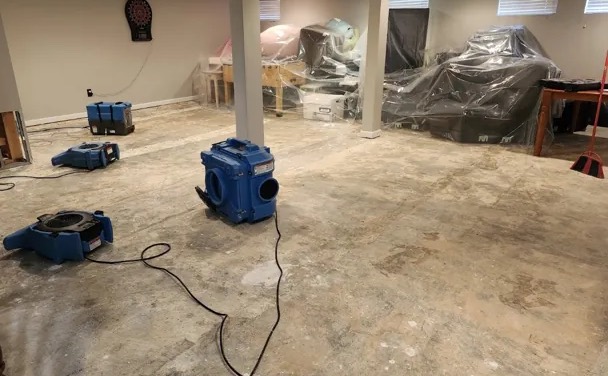
Local Dehumidification Services for Summit Residents
Drying after water damage in Summit goes faster when it starts right after extraction. Wet materials and damp air feed each other, and the longer they sit, the more damage spreads.
In Summit, drying calls often follow a burst pipe, a water heater leak or an AC overflow. Local moisture control experts serve Summit, Littletown, Midvale Park and Drexel-Alvernon, placing dehumidifiers and air movers.
Comprehensive Dehumidification Services in Summit
Whole-House Dehumidification
Humidity readings are taken in each room, and dehumidifiers are moved as rooms reach normal levels.
Crawl Space Drying
Dehumidifiers sized for crawl spaces bring down humidity under the house so joists and subfloor can dry after water is removed.
Commercial Building Dehumidification
Large commercial spaces are checked with readings across a grid, so every zone is confirmed dry before equipment is removed.
Mold Prevention Dehumidification
Keeping humidity low after water damage is one of the main ways to limit microbial growth on wet materials.
Emergency Water Damage Drying
Help is available any hour to set up drying equipment, so water damage does not sit overnight in damp air.
Symptoms Requiring Dehumidification Services in Summit
Slow-Drying Laundry or Towels
Towels and laundry that never seem to dry indoors point to very damp air.
Visible Mold on Surfaces
Visible mold on walls, ceilings or furniture means surfaces have stayed damp for days.
Water Stains on Ceilings or Walls
Water stains on ceilings or walls mean materials got wet and may still hold moisture inside.
Persistent Condensation on Windows
Windows that fog or drip on the inside show the air holds more moisture than it should.
How Dehumidification Services Work in Summit
Step 1: Site Inspection
Humidity and material readings are taken across the affected area to set the drying plan.
Step 2: Drying Equipment Deployment
Equipment is sized and placed for the space, including attics, crawl spaces or large rooms.
Step 3: Active Drying Management
Readings are logged daily, and dehumidifiers are moved as each area dries.
Step 4: Post-Drying Evaluation and Report
A report shows starting and final readings and when each area reached normal levels.
Reasons for Dehumidification Needs in Summit
Poor Ventilation in Enclosed Areas
Bathrooms, laundry rooms and attics without good ventilation trap moisture in the air.
Crawl Space Vapor Barrier Failure
A torn or missing crawl space vapor barrier lets ground moisture rise into the house.
Recent Water Damage Restoration Work
Rooms that were extracted but not fully dried after earlier water damage stay damp.
Flooding From External Sources
Floodwater from outside soaks everything it reaches, leaving the whole space damp.
Residential and Commercial Dehumidification Services in Summit
Residential Dehumidification Services
Families can usually stay home during drying, though equipment makes steady noise and some rooms may be closed off.
Commercial Dehumidification Services
Offices and schools may schedule equipment setup and removal after hours to limit disruption to staff and students.
Why DIY Dehumidification Falls Short in Summit
A rented household dehumidifier removes much less water than commercial units, and it does not tell you when walls and floors are dry. Call (520) 286-8912 for readings.
Factors Affecting Dehumidification Services Cost in Summit
In Summit, starting drying soon after the leak usually shortens the job, which lowers the total equipment cost.
Water Extraction Necessity
Standing water must be extracted before dehumidifiers can work well, which is a separate step.
Duration of Drying Process
Drying usually takes several days, and each day of equipment adds to the total.
Accessibility of the Area
Tight attics and crawl spaces take longer to set up and monitor than open rooms.
Does Insurance Cover Dehumidification Services?
Coverage for dehumidification services depends on the cause of the water and your policy. The pros document the drying, and your insurer decides what is covered.
Advantages of Local Pros in Summit for Dehumidification Services
Drying Verification
Drying ends when readings match unaffected dry areas of the building, not when surfaces look dry.
Cross-Contamination Control
Containment keeps damp or dusty air from contaminated areas out of the rest of the building.
Detailed Documentation for Claims
Daily logs of humidity and material readings are kept to support your insurance claim.
24/7 Emergency Dehumidification Services in Summit
Attic or crawl space wet after a leak or storm? Call (520) 286-8912 now for dehumidification services in Summit before the framing stays damp.
Call Now (520) 286-8912Local Dehumidification Services Areas Including Summit
The places below are also served, and each one has its own page.
- Dehumidification Services in Littletown
- Dehumidification Services in Midvale Park
- Dehumidification Services in Drexel-Alvernon
- Dehumidification Services in Drexel Heights
- Dehumidification Services in Sahuarita
- Dehumidification Services in Star Valley
- Dehumidification Services in Houghton
- Dehumidification Services in Oro Valley
Dehumidification Services FAQs
Is water extraction part of the dehumidification process?
Extraction comes first. Dehumidifiers do far more good once standing water has been removed from floors and carpet.
How does dehumidification protect drywall and wood?
It pulls moisture out of the air so wet drywall and wood can dry before they swell, warp or weaken.
What equipment is used for attic drying?
Dehumidifiers sized for attics, air movers aimed at decking and rafters and moisture meters to track the wood.
What are signs I might need professional dehumidification?
Musty smells, foggy windows, clammy air, damp drywall or flooring and humidity that stays high after a leak.
What should I do right after discovering water damage?
Stop the water, remove what you can safely, move belongings and call for extraction and drying.