Flowing Wells, AZ · Pima County
Desiccant Dehumidification in Flowing Wells, AZConstruction Drying Services & Flood Drying Services
Desiccant Dehumidification in Flowing Wells covers flood drying services, crawl space drying and emergency dehumidification.
Answered 24/7
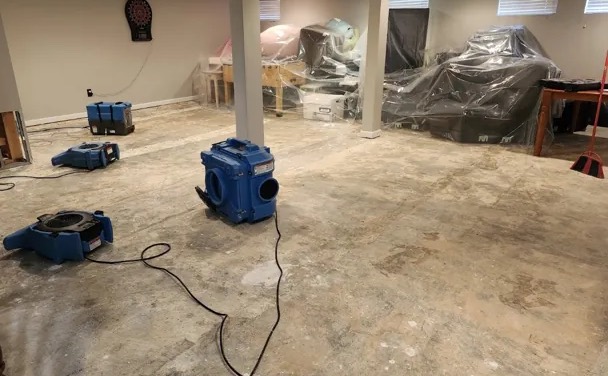
Expert Desiccant Dehumidification for Flowing Wells Properties
Desiccant Dehumidification in Flowing Wells is not needed for every job. Small leaks in warm rooms often dry well with standard dehumidifiers. Cool spaces, large buildings and dense materials are where desiccant units help most.
Homes, job sites and commercial buildings in Flowing Wells and nearby Sam Hughes, South Tucson and Casas Adobes sometimes need more drying power than standard equipment provides. Help with desiccant dehumidification covers those cases.
Comprehensive Desiccant Dehumidification for Flowing Wells
Construction Drying Services
Construction drying speeds up schedules by lowering humidity so slabs and drywall reach the moisture levels flooring and paint need.
Flood Drying Services
Flood drying pairs desiccant units with air movers aimed at wet materials, with readings taken every day until the structure is dry.
Firefighting Water Drying
After a fire, water used by firefighters soaks walls, floors and ceilings. Desiccant drying helps dry those materials once debris is cleared.
Mold Prevention Drying
Drying an area quickly after affected materials are removed limits regrowth. Desiccant units help reach low humidity in closed work areas.
Water Damage Dehumidification
After a leak or flood, dehumidifiers remove moisture from the air so wet drywall, wood and carpet can dry out.
Indicators for Desiccant Dehumidification in Your Flowing Wells Home
Peeling Paint or Wallpaper
Paint or wallpaper that peels after a leak has moisture behind it that has not dried.
Visible Condensation on Windows
Windows that fog or drip inside show the air holds too much moisture for materials to dry.
Strong Damp Odor in Rooms
A damp smell that stays in a room after cleanup means materials there are still holding moisture.
Spongy Drywall or Soft Spots
Drywall that feels soft or spongy has absorbed water and may need removal if it does not dry.
How Desiccant Dehumidification Works in Flowing Wells
Step 1: Moisture Mapping
Readings across walls, floors and framing show exactly where moisture remains in the building.
Step 2: Equipment Placement
Dehumidifiers and air movers are placed where the moisture readings are highest.
Step 3: Continuous Moisture Extraction
Drying runs until the wettest areas match the rest of the building.
Step 4: Confirmation and Reporting
A report shows the starting and final moisture readings for each area that was dried.
Origins of Dampness and Desiccant Dehumidification in Flowing Wells Buildings
Foundation Cracks and Seepage
Foundation cracks let groundwater seep into lower levels, keeping walls and floors damp.
Roof Leaks From Damaged Shingles
Roof leaks from damaged shingles soak attic insulation, roof decking and the ceilings below.
Plumbing Leaks or Pipe Bursts
Burst pipes and leaking supply lines soak walls and floors that then need drying.
New Construction Moisture Trapped
New concrete, drywall mud and framing on job sites hold moisture until they are dried.
House & Business Desiccant Dehumidification in Flowing Wells, AZ
Residential Desiccant Dehumidification
Homes with wet attics after roof leaks may need attic drying equipment placed carefully on boards for safe footing.
Commercial Desiccant Dehumidification
Schools, offices and medical buildings may schedule equipment setup and removal after hours to limit disruption to staff and visitors.
The Limits of DIY Desiccant Dehumidification in Flowing Wells
Do not run drying equipment on materials soaked by sewage or floodwater before they are cleaned or removed, since that spreads contamination through the house.
What Affects Desiccant Dehumidification Cost in Flowing Wells
The pros take readings before pricing desiccant dehumidification in Flowing Wells, then explain how many units are needed and how long drying should take.
Additional Restoration Steps
Extraction, material removal and cleaning before drying are separate steps that add to the total.
Time of Response
Night, weekend and holiday setup can cost more than a scheduled weekday visit.
Type of Water Damage
Floodwater and sewage need cleaning and removal of materials before drying, which adds cost.
Does Insurance Cover Desiccant Dehumidification?
Construction drying on a new build is usually a project cost rather than an insurance claim. Ask your builder how it is handled.
Benefits of Local Pros for Desiccant Dehumidification in Flowing Wells
Prevention of Mold
Fast, complete drying is one of the main ways to keep mold from starting after water damage.
Structural Drying
Walls, floors and framing are dried, not just the air in the room.
24/7 Emergency Response
Help is available day or night to set up drying equipment after a leak or flood.
Emergency Desiccant Dehumidification Response for Flowing Wells
The sooner drying starts, the fewer materials need replacing. Call (520) 286-8912 for desiccant dehumidification in Flowing Wells right after a leak or flood.
Call Now (520) 286-8912Desiccant Dehumidification Service Area Including Flowing Wells
The places below are also served, and each one has its own page.
- Desiccant Dehumidification in Sam Hughes
- Desiccant Dehumidification in South Tucson
- Desiccant Dehumidification in Casas Adobes
- Desiccant Dehumidification in Catalina Foothills
- Desiccant Dehumidification in Tucson Estates
- Desiccant Dehumidification in Drexel Heights
- Desiccant Dehumidification in Midvale Park
- Desiccant Dehumidification in Drexel-Alvernon
Desiccant Dehumidification FAQs
What is the goal of flood drying services?
To remove the moisture left after floodwater is pumped out so the building can be cleaned and repaired.
How does a desiccant dehumidifier work differently?
It passes air over a material that absorbs moisture instead of cooling the air, so it keeps working in cool conditions.
Is desiccant dehumidifier rental available for DIY projects?
Units can be rented, but they need correct setup, and readings are needed to know when materials are dry.
What happens after desiccant dehumidification is complete?
Final readings are recorded, equipment is removed and the space is ready for repairs or finishes.
What does water damage dehumidification include?
Taking readings, placing dehumidifiers and air movers, logging progress daily and confirming materials are dry.