San Manuel, AZ · Pinal County
Desiccant Dehumidification in San Manuel, AZWater Damage Dehumidification & Emergency Dehumidification
Desiccant Dehumidification in San Manuel includes water damage dehumidification, construction drying services and mold prevention drying.
Answered 24/7
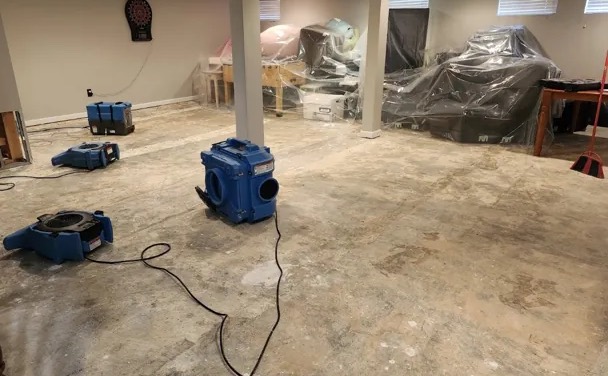
Desiccant Dehumidification Solutions in San Manuel, Arizona
After water damage in San Manuel, dry air pulls moisture out of wet materials. The drier the air, the faster walls, floors and framing give up their water.
In San Manuel, desiccant drying is often used in crawl spaces and large buildings after floods. Local drying pros serve San Manuel, Oracle, Mammoth and Summerhaven, choosing equipment based on readings.
Desiccant Dehumidification Methods Used in San Manuel
Water Damage Dehumidification
Desiccant or refrigerant dehumidifiers are chosen based on the space, the temperature and how dry the air needs to get.
Emergency Dehumidification
Equipment is sized to the space on the first visit and adjusted each day based on readings.
Flood Drying Services
Floodwater is treated as contaminated, so soaked porous materials are removed and surfaces cleaned before drying starts.
Construction Drying Services
Construction drying speeds up schedules by lowering humidity so slabs and drywall reach the moisture levels flooring and paint need.
Firefighting Water Drying
Drying after a fire is done once wet debris is removed, so the structure dries cleanly before rebuilding.
Warning Signs You Need Desiccant Dehumidification in San Manuel
Warped Wood Floors or Trim
Wood floors or trim that cup or warp after a leak are still taking on moisture.
Peeling Paint or Wallpaper
Paint or wallpaper that peels after a leak has moisture behind it that has not dried.
Efflorescence on Masonry Surfaces
White, powdery deposits on masonry show water moving through concrete or block.
Visible Condensation on Windows
Windows that fog or drip inside show the air holds too much moisture for materials to dry.
How Desiccant Dehumidification Works in San Manuel
Step 1: Initial Damage Inspection
Humidity and moisture readings are taken across the affected area to set the drying plan.
Step 2: Deployment of Drying Equipment
Desiccant or standard dehumidifiers and air movers are placed based on the space and readings.
Step 3: Monitored Drying Cycle
Readings are logged daily, and equipment is moved or adjusted as each material dries.
Step 4: Completion and Clearance
Final readings confirm materials are dry, and the space is cleared for repairs.
Typical Moisture Intrusions and Desiccant Dehumidification in San Manuel
Plumbing Leaks or Pipe Bursts
Burst pipes and leaking supply lines soak walls and floors that then need drying.
Fire Suppression System Activation
Fire sprinklers and firefighting water soak large areas of a building at once.
Roof Leaks From Damaged Shingles
Roof leaks from damaged shingles soak attic insulation, roof decking and the ceilings below.
New Construction Moisture Trapped
New concrete, drywall mud and framing on job sites hold moisture until they are dried.
Both Residential and Commercial Desiccant Dehumidification in San Manuel
Residential Desiccant Dehumidification
Families can usually stay home during drying, though equipment makes steady noise and some areas may be closed off.
Commercial Desiccant Dehumidification
Builders and contractors use desiccant drying to get slabs and drywall ready for flooring and paint on schedule.
The Limits of DIY Desiccant Dehumidification in San Manuel
Opening windows only helps on dry, breezy days. Commercial dehumidifiers keep drying no matter what the weather outside is doing, which makes them more reliable.
Investing in Desiccant Dehumidification for San Manuel Properties
Flood cleanup, crawl space access, material removal and after-hours setup all add to the total for desiccant dehumidification in San Manuel.
Access and Complexity
Crawl spaces, tight areas and large buildings take more effort to set up and monitor.
Number of Dehumidifiers
The number and size of dehumidifiers needed for the space is a major part of the cost.
Additional Restoration Steps
Extraction, material removal and cleaning before drying are separate steps that add to the total.
Does Insurance Cover Desiccant Dehumidification?
Daily humidity and moisture logs from local drying pros help support an insurance claim for drying after water damage in San Manuel.
Selecting Local Pros for Desiccant Dehumidification in San Manuel, Arizona
Post-Flood Drying
Floodwater cleanup is followed by drying that continues until readings are normal.
Prevention of Mold
Fast, complete drying is one of the main ways to keep mold from starting after water damage.
Large Projects
Large buildings and job sites get drying plans that keep work and business moving.
Round-the-Clock Desiccant Dehumidification in San Manuel, AZ
Wet materials keep soaking up moisture from damp air until drying starts. Call (520) 286-8912 for desiccant dehumidification in San Manuel at any hour.
Call Now (520) 286-8912Desiccant Dehumidification Coverage for San Manuel and Beyond
Other places served are listed below, each with its own page.
- Desiccant Dehumidification in Oracle
- Desiccant Dehumidification in Mammoth
- Desiccant Dehumidification in Summerhaven
- Desiccant Dehumidification in Mount Lemmon
- Desiccant Dehumidification in Redington
- Desiccant Dehumidification in Catalina
- Desiccant Dehumidification in Oro Valley
- Desiccant Dehumidification in Winkelman
- Emergency Damage Restoration in 85631
- Storm Damage Restoration in 85631
- Water Damage Restoration in 85631
- Water Extraction Service in 85631
- Water Leak Detection in 85631
- Water Removal Service in 85631
Desiccant Dehumidification FAQs
What does water damage dehumidification include?
Taking readings, placing dehumidifiers and air movers, logging progress daily and confirming materials are dry.
Can desiccant dehumidification dry behind walls?
Dry air helps, especially when directed into wall cavities through small openings, with readings to confirm results.
Is desiccant dehumidifier rental available for DIY projects?
Units can be rented, but they need correct setup, and readings are needed to know when materials are dry.
What happens after desiccant dehumidification is complete?
Final readings are recorded, equipment is removed and the space is ready for repairs or finishes.
What equipment is used for commercial building drying?
High-capacity desiccant or refrigerant dehumidifiers, air movers, moisture meters and sometimes ducting to direct dry air.