Why, AZ · Pima County
Drywall Water Damage Repair in Why, AZDrywall Mold Prevention & Ceiling Water Damage Repair
Drywall Water Damage Repair in Why runs from drywall water extraction and wet drywall removal to drywall water stain removal.
Answered 24/7
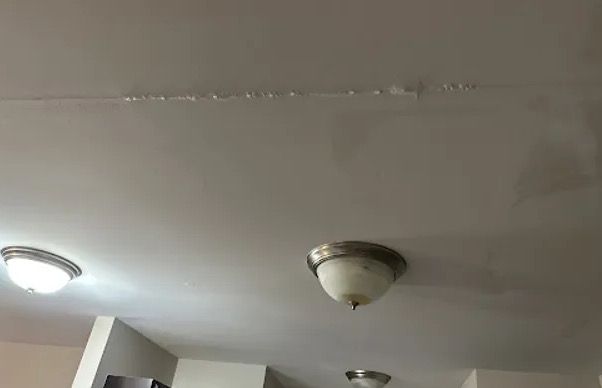
Drywall Water Damage Repair Solutions in Why, Arizona
A water stain on a wall or ceiling in Why is a sign, not just a cosmetic problem. It shows water reached the drywall, and it may still be inside the wall or above the ceiling.
A pipe leak in a Why wall can soak drywall in two rooms at once. Local drywall water damage pros serve Why and nearby Pisinemo, Santa Rosa and Sells, with help available around the clock.
Complete Drywall Water Damage Repair Offerings in Why
Drywall Mold Prevention
Drywall paper is a food source for mold when it stays damp, so walls are dried until readings are normal.
Ceiling Water Damage Repair
Ceiling patches need careful finishing so they do not show under light. Texture and paint are blended with the surrounding ceiling.
Drywall Drying Services
Small holes near the base of the wall let dry air reach the cavity, drying the studs and back of the drywall.
Wet Drywall Removal
Moisture readings show how high water wicked up the wall. The cut is made just above that line, which keeps the patch as small as possible.
Emergency Drywall Water Repair
Help is available any hour when water is running down a wall or a ceiling is bulging, before the drywall fails.
Symptoms Requiring Drywall Water Damage Repair in Why
Peeling Paint or Wallpaper
Paint or wallpaper that peels or bubbles usually has moisture behind it.
Bubbling Drywall Texture
Wall or ceiling texture that bubbles or flakes off has moisture behind it.
Soft or Sagging Drywall
Drywall that feels soft or sags has absorbed water and lost strength, and it usually needs to be cut out.
Dripping Sounds Behind Walls
Dripping or trickling sounds inside a wall point to a pipe leak behind the drywall.
How Drywall Water Damage Repair Works in Why
Step 1: Emergency Inspection and Assessment
The wall or ceiling is checked with meters, and the source of the water is located.
Step 2: Water Extraction and Controlled Drying
Water in the cavity is drained, and air is directed into the wall through small openings.
Step 3: Damaged Drywall Removal
Drywall that cannot be dried is cut out above the wet line, and wet insulation is removed.
Step 4: Drywall Restoration and Finishing
New drywall is hung, taped, textured and painted once the cavity reads dry.
Common Causes of Water Damage in Why
Plumbing Leaks Inside Walls
Supply and drain lines inside walls can leak slowly for months, soaking the drywall around them.
HVAC Condensation and Drain Issues
AC drain lines and pans overflow into closets and soak ceilings below attic units.
Appliance Malfunctions and Overflows
Washers, dishwashers and water heaters leak onto floors and wick water up nearby walls.
Roof Leaks and Storm Damage
Roof leaks during storms run down inside walls and soak ceiling drywall below.
Both Home and Business Drywall Water Damage Repair in Why
Residential Drywall Water Damage Repair
Families can usually use the room again soon after drying, with finishing work done in a day or two.
Commercial Drywall Water Damage Repair
Restaurants and medical offices need drywall work contained behind plastic sheeting to keep dust away from food areas and patients.
When to Attempt DIY and When to Call the Pros for Drywall Water Damage Repair in Why
Never poke a bulging ceiling from underneath. Water and wet drywall can fall at once. Keep people out of the room and call local drywall water damage pros.
Drywall Water Damage Repair Pricing Considerations in Why, AZ
Ceiling repairs in Why usually cost more than wall repairs, because of height, texture matching and the work of hanging overhead.
Mold Prevention Needs
Antimicrobial treatment of studs and drywall that stayed wet is an added step priced by area.
Drying Time Required
Wall cavities and ceiling spaces can take several days to dry, which adds equipment time.
Emergency Service Timing
Night, weekend and holiday calls can cost more than a scheduled weekday visit.
Does Insurance Cover Drywall Water Damage Repair?
Coverage for drywall water damage repair depends on the cause and your policy. The pros document the damage and the drying, and your insurer decides what is covered.
Benefits of Local Pros for Drywall Water Damage Repair in Why
Moisture Mapping
Meters and thermal cameras show how far water spread inside walls and ceilings.
Stain Sealing
Stains are sealed with stain-blocking primer after drying, so they do not return.
24/7 Emergency Response
Help is available day or night when water is running down a wall or a ceiling is bulging.
Urgent Drywall Water Damage Repair for Why Properties
Ceiling bulging with water from above? Keep people out of the room below it and call (520) 286-8912 now for drywall water damage repair in Why.
Call Now (520) 286-8912Drywall Water Damage Repair Service Area for Why
Other places served are listed below, each with its own page.
- Drywall Water Damage Repair in Pisinemo
- Drywall Water Damage Repair in Santa Rosa
- Drywall Water Damage Repair in Sells
- Drywall Water Damage Repair in Topawa
- Drywall Water Damage Repair in Stanfield
- Drywall Water Damage Repair in Double Adobe
- Drywall Water Damage Repair in McNeal
- Drywall Water Damage Repair in Naco
Common Drywall Water Damage Repair Questions Answered
Is drywall restoration different from a simple repair?
Restoration includes drying the wall and fixing the cause, not just patching the visible damage.
How does drywall water extraction work?
Water in the wall cavity is drained through small holes or behind baseboards, then air is directed in to dry it.
Can wet drywall be saved, or must it be removed?
Drywall wet from clean water and caught early can often be dried. Soft, sagging or contaminated drywall is removed.
How do I know if drywall has moisture damage?
Stains, soft spots, bubbling paint and musty smells are signs. A moisture meter confirms it.
What is drywall mold prevention?
Drying wet drywall and framing quickly, and treating studs that stayed wet with an antimicrobial before the wall is closed.