Flowing Wells, AZ · Pima County
HVAC Leak Water Removal in Flowing Wells, AZAC Condensate Leak Water Removal & Coil Leak Water Damage Repair
HVAC Leak Water Removal in Flowing Wells includes emergency HVAC leak cleanup, wet insulation removal near HVAC and coil leak water damage repair.
Answered 24/7
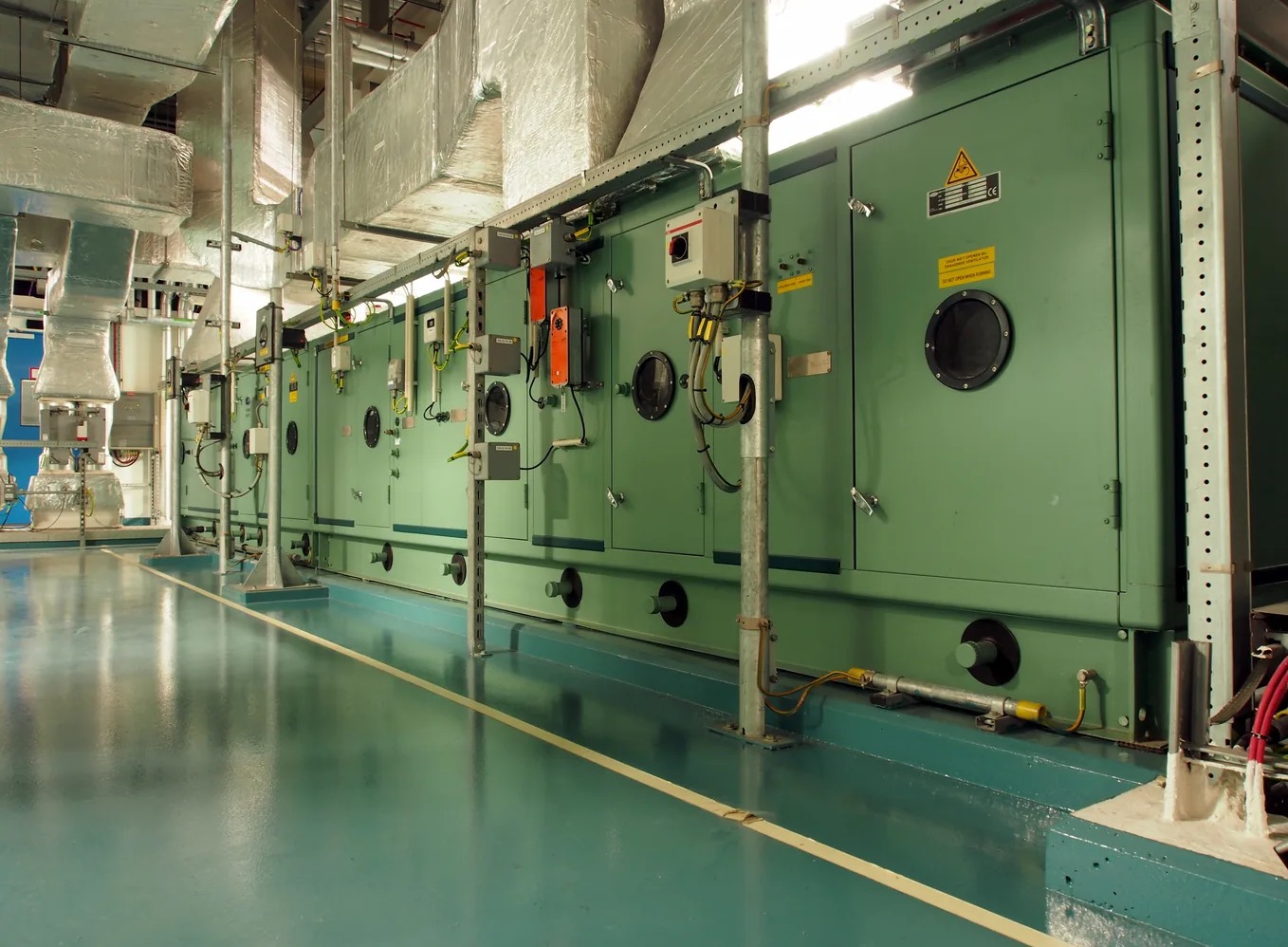
Professional HVAC Leak Water Removal in Flowing Wells, AZ
Water from a failed drain line or condensate pump in Flowing Wells travels further than it looks. It follows framing and ducts into wall cavities and the rooms next to the unit.
When an HVAC leak occurs in Flowing Wells, water needs to come out quickly to protect interior finishes and electrical systems. Local water removal pros serve this community and nearby areas like Sam Hughes, South Tucson and Casas Adobes, extracting water around the unit and drying wet ductwork before damage spreads.
Complete HVAC Leak Water Removal Services for Flowing Wells
AC Condensate Leak Water Removal
A rusted or cracked condensate pan leaks directly from the AC coil. Prompt water removal prevents corrosion and electrical hazards.
Coil Leak Water Damage Repair
Coil leak water damaging drywall or cabinetry needs repairs after drying. Restoration pros coordinate drying to prepare for reconstruction.
HVAC Drain Line Flood Cleanup
A completely blocked primary condensate drain line can overflow the secondary pan. Cleanup requires extracting the spilled water and clearing the line.
Ductwork Condensation Water Removal
Humid air hitting cold metal ductwork makes it sweat and drip. Cleanup means drying the ducts and the drywall, insulation and flooring under them.
Moisture Remediation for HVAC Systems
The job ends with a dry space and dry materials around the unit. Readings from the last day are recorded so you have proof the area is dry.
Signs You Require HVAC Leak Water Removal in Flowing Wells
Visible Rust on Metal Components
Rust forming on the evaporator coil cabinet, drain pan, or supports indicates prolonged moisture exposure.
Condensation Dripping From Ducts
Water droplets or streaks on metal ductwork mean the ducts are sweating, and the water is landing somewhere below.
Wet or Sagging Insulation Nearby
Damp insulation around an attic unit or in nearby walls holds water against the drywall and framing.
Musty Odors Near Air Vents
A musty smell when the system runs can point to wet insulation or mold inside the unit or ducts.
How HVAC Leak Water Removal Works in Flowing Wells
Step 1: Water Containment
The leak is contained first, then extractors pull water out of the HVAC cabinet and off the floor around it.
Step 2: HVAC Component Damage Evaluation
Wet parts like the drain pan, coil area and controls are noted so an HVAC contractor knows what to check or replace.
Step 3: Structural Drying Protocol
Drying equipment targets wet walls, subfloor and insulation near the unit so damage does not spread.
Step 4: Air Quality Sanitization
Once everything is dry, the cabinet area and nearby surfaces are cleaned to remove odor and residue.
Frequent Sources of HVAC Leak Water Damage in Flowing Wells
Excessive Ductwork Condensation
Poorly insulated ducts in humid spaces sweat and drip water into walls, ceilings and insulation.
High Static Pressure in Ducts
An oversized system or closed vents can upset airflow and drainage, so condensate does not drain as it should.
Refrigerant Leak at the Coil
A pinhole leak in the evaporator coil itself can allow refrigerant and moisture to escape simultaneously.
Clogged Condensate Drain Line
Algae, sludge, or debris blocking the primary drain pipe causes water to back up into the HVAC cabinet.
HVAC Leak Water Removal for All Properties in Flowing Wells
Residential HVAC Leak Water Removal
In homes, an HVAC leak usually wets the ceiling under an attic unit or the walls and floor around the air handler closet. Wet insulation near the unit is removed so it does not hold water.
Commercial HVAC Leak Water Removal
In stores, offices and warehouses, leaks come from large air handlers, VAV boxes and ducts above the ceiling. The water is removed fast so the space can reopen.
When DIY Fails for HVAC Leak Water Removal in Flowing Wells
A hygrometer can show if indoor humidity is too high, and keeping supply vents open helps airflow. If you see mold inside ducts or smell something musty, DIY cleaning will not reach it. Call (520) 286-8912 for drying help.
Factors in HVAC Leak Water Removal Cost for Flowing Wells
In the Flowing Wells area, the cost of HVAC water cleanup depends on how many rooms and materials got wet. Water around coils and cabinets takes careful work in tight spaces.
Affected Components and Materials
Wet insulation, damaged ductwork or wiring near the flooded unit each add work to the job.
Emergency Service Timing
HVAC leak cleanup started at night, on weekends or on holidays may be billed at a different rate.
Post-Extraction Repairs
Some jobs need small drain line or insulation repairs after drying, which are priced separately.
Does Insurance Cover HVAC Leak Water Removal?
For a flooded HVAC drain line, coverage often depends on whether the leak was sudden or came from skipped maintenance. Records of the damage and the cleanup go to your insurer, who decides.
Advantages of Local Pros for HVAC Leak Water Removal in Flowing Wells
Comprehensive Leak Source Identification
The experts trace the water to the drain line, coil or pan, so the right trade can fix the cause.
24/7 Emergency Response
Getting to a leaking AC early limits how far water spreads and how much it rusts parts in the unit.
Containment and Air Filtration
The work area can be closed off so dust and moist air do not spread while wet materials are removed.
Emergency HVAC Leak Water Removal for Flowing Wells Properties
Water flowing from your HVAC system requires fast action to prevent costly secondary damage. For emergency HVAC water extraction in Flowing Wells, call (520) 286-8912 anytime.
Call Now (520) 286-8912Areas Served for HVAC Leak Water Removal from Flowing Wells
Each place listed below has its own page with local details.
- HVAC Leak Water Removal in Sam Hughes
- HVAC Leak Water Removal in South Tucson
- HVAC Leak Water Removal in Casas Adobes
- HVAC Leak Water Removal in Catalina Foothills
- HVAC Leak Water Removal in Tucson Estates
- HVAC Leak Water Removal in Drexel Heights
- HVAC Leak Water Removal in Midvale Park
- HVAC Leak Water Removal in Drexel-Alvernon
Your HVAC Leak Water Removal Questions Answered
How long does wet ductwork drying typically take?
It depends on how much water there is and how easy it is to reach. Most jobs take two to four days of drying with commercial equipment.
What's the difference between water extraction and drying?
Extraction removes the liquid water. Drying uses dehumidifiers and air movers to pull out the moisture left in insulation, drywall and wood.
What is involved in HVAC leak water removal?
Stopping the leak, extracting standing water, drying the ducts, cabinet area, walls and floor, and checking for hidden moisture with meters.
What is HVAC cabinet water extraction?
It means removing water that has pooled inside the metal cabinet around the furnace or air handler, which protects the blower motor and controls.
Is emergency HVAC leak cleanup necessary?
It is when water is spreading. Removing it early keeps it from reaching walls, ceilings and the rooms nearby, which keeps the damage smaller.