St. David, AZ · Cochise County
HVAC Leak Water Removal in St. David, AZAC Condensate Leak Water Removal & Moisture Remediation For HVAC Systems
HVAC Leak Water Removal in St. David covers AC condensate leak water removal, HVAC cabinet water extraction and ductwork condensation water removal.
Answered 24/7
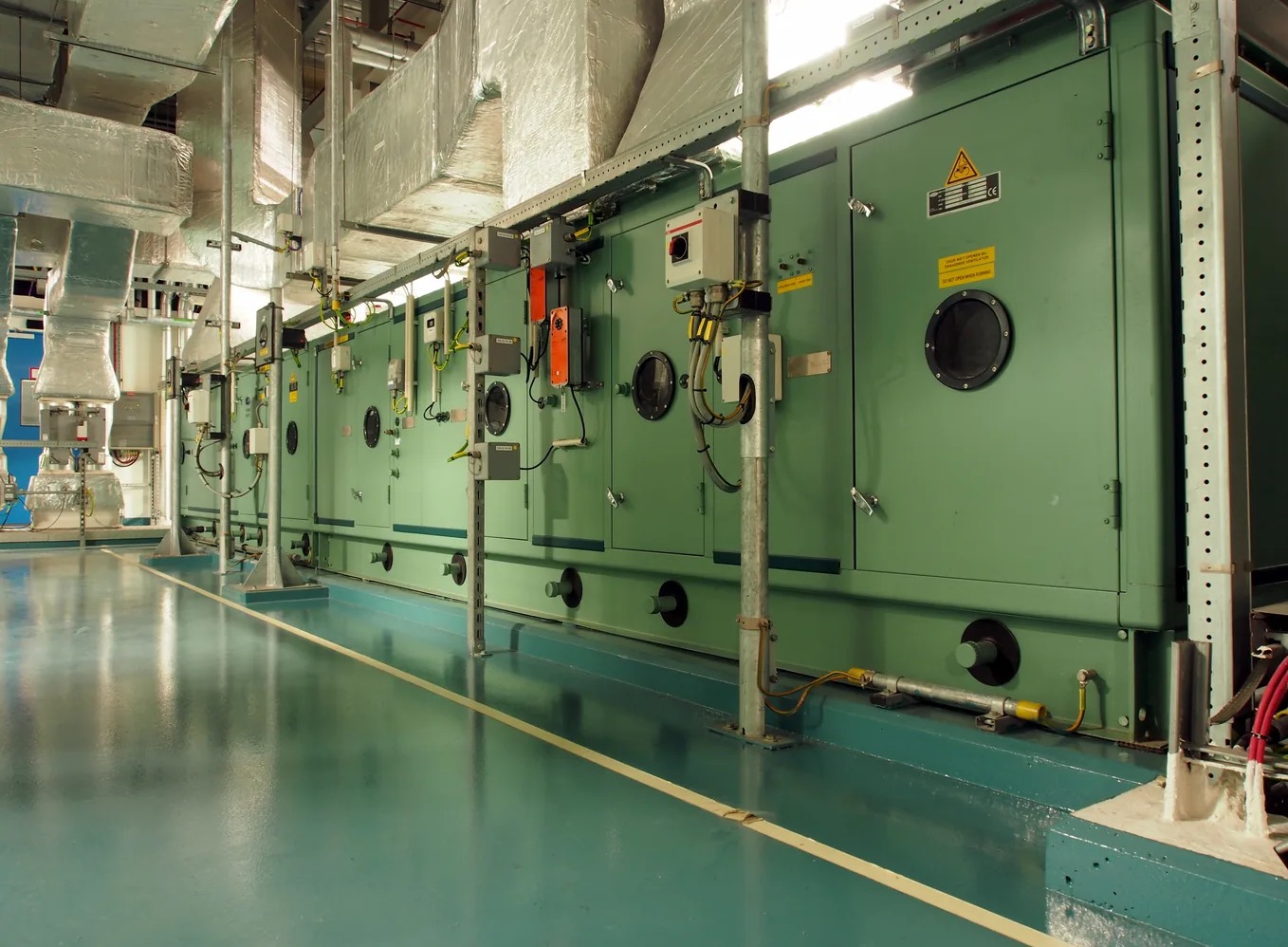
Expert HVAC Leak Water Removal in St. David AZ
A leaking AC unit in St. David can fill the air handler cabinet and spill onto the floor around it. Water near wiring is a shock risk, so the power should be off before anyone works there.
When an HVAC leak occurs in St. David, water needs to come out quickly to protect interior finishes and electrical systems. Local water removal pros serve this community and nearby areas like Benson, Dragoon and Mescal, extracting water around the unit and drying wet ductwork before damage spreads.
HVAC Leak Water Removal Services in St. David
AC Condensate Leak Water Removal
A clogged AC condensate line leaks water around the indoor unit. Local water removal pros extract the pool to protect flooring and the system.
Moisture Remediation for HVAC Systems
The job ends with a dry space and dry materials around the unit. Readings from the last day are recorded so you have proof the area is dry.
Ductwork Condensation Water Removal
Cold air inside ducts meeting warm, humid air causes sweating and droplets. Condensation soaks insulation and damages ceiling materials.
HVAC Drain Line Flood Cleanup
A backed-up HVAC drain line can flood a closet or utility area in St. David. The water is extracted and drying starts on the floor and lower walls.
HVAC Cabinet Water Extraction
Standing water in the cabinet rusts the pan, panels and fasteners. Getting it out early stops that, and the cabinet is dried before the system runs again.
Red Flags for HVAC Leak Water Removal in St. David
Stained Ceilings or Walls Near Vents
Stains on drywall or ceilings around supply vents often trace back to ducts that are sweating or leaking.
Wet or Sagging Insulation Nearby
Damp insulation around an attic unit or in nearby walls holds water against the drywall and framing.
Condensation Dripping From Ducts
Water droplets or streaks on metal ductwork mean the ducts are sweating, and the water is landing somewhere below.
Visible Rust on Metal Components
Rust forming on the evaporator coil cabinet, drain pan, or supports indicates prolonged moisture exposure.
How HVAC Leak Water Removal Works in St. David
Step 1: Water Containment
The leak is contained first, then extractors pull water out of the HVAC cabinet and off the floor around it.
Step 2: HVAC Component Damage Evaluation
Wet parts like the drain pan, coil area and controls are noted so an HVAC contractor knows what to check or replace.
Step 3: Structural Drying Protocol
Drying equipment targets wet walls, subfloor and insulation near the unit so damage does not spread.
Step 4: Air Quality Sanitization
Once everything is dry, the cabinet area and nearby surfaces are cleaned to remove odor and residue.
Common Causes of HVAC Water Damage in St. David
Worn Gaskets or Seal Failures
Worn seals around access panels or coil sections let water escape the cabinet instead of reaching the pan.
Clogged Condensate Drain Line
Algae, sludge, or debris blocking the primary drain pipe causes water to back up into the HVAC cabinet.
Excessive Ductwork Condensation
Poorly insulated ducts in humid spaces sweat and drip water into walls, ceilings and insulation.
Improper HVAC System Slope
An air handler or drain line installed without correct pitch prevents gravity-driven water flow to the drain.
HVAC Leak Water Removal for All Properties in St. David
Residential HVAC Leak Water Removal
In homes, an HVAC leak usually wets the ceiling under an attic unit or the walls and floor around the air handler closet. Wet insulation near the unit is removed so it does not hold water.
Commercial HVAC Leak Water Removal
In stores, offices and warehouses, leaks come from large air handlers, VAV boxes and ducts above the ceiling. The water is removed fast so the space can reopen.
HVAC Leak Water Removal: DIY Risks and Pro Solutions in St. David
For minor, isolated wet spots on drywall, you can dry the area with fans and dehumidifiers. Puncture small holes at the base for cavity drying. If the leak is ongoing, the stain large, or drywall sagging, professional intervention is critical.
Cost Insights for HVAC Leak Water Removal in St. David
Calls at night or on weekends can change the rate for HVAC leak water removal. Dirty water from a drain line also adds cleaning steps to the job.
Post-Extraction Repairs
Some jobs need small drain line or insulation repairs after drying, which are priced separately.
HVAC System Accessibility
Units in tight closets or attics take more labor to reach, clean around and dry.
Water Contamination Category
Clean condensate is simpler to handle than dirty overflow from a drain line, which needs extra cleaning.
Does Insurance Cover HVAC Leak Water Removal?
AC unit water damage coverage hinges on the leak source. Sudden failures like a burst drain line may be covered, while gradual neglect often is not. Homeowners should confirm specifics with their insurer.
Reasons to Hire Local Pros for HVAC Leak Water Removal in St. David
IICRC-Standard Drying Methods
Drying follows industry standards so the unit area, ducts and walls are dry before the system runs again.
Containment and Air Filtration
The work area can be closed off so dust and moist air do not spread while wet materials are removed.
Comprehensive Leak Source Identification
The experts trace the water to the drain line, coil or pan, so the right trade can fix the cause.
Urgent HVAC Leak Water Removal Response in St. David
HVAC drain line floods need immediate attention to stop water damage. For prompt HVAC leak cleanup and moisture remediation, contact the experts at (520) 286-8912.
Call Now (520) 286-8912Areas Served for HVAC Leak Water Removal from St. David
Help with HVAC leak water removal is available in St. David and nearby Benson, Dragoon and Mescal, for water from AC units, drain lines and ducts.
- HVAC Leak Water Removal in Benson
- HVAC Leak Water Removal in Dragoon
- HVAC Leak Water Removal in Mescal
- HVAC Leak Water Removal in Whetstone
- HVAC Leak Water Removal in Tombstone
- HVAC Leak Water Removal in Fort Huachuca
- HVAC Leak Water Removal in Huachuca City
- HVAC Leak Water Removal in Cochise
- Emergency Damage Restoration in 85630
- Storm Damage Restoration in 85630
- Water Damage Restoration in 85630
- Water Extraction Service in 85630
- Water Leak Detection in 85630
- Water Removal Service in 85630
Your HVAC Leak Water Removal Questions Answered
How long does wet ductwork drying typically take?
It depends on how much water there is and how easy it is to reach. Most jobs take two to four days of drying with commercial equipment.
After HVAC system water cleanup, what repairs are needed?
Beyond drying, repairs might include unclogging or replacing a drain line, replacing wet insulation, and servicing the HVAC unit.
What happens during coil leak water damage repair?
The pros remove the water and dry the coil area. The coil itself is serviced or replaced by an HVAC contractor to stop the leak.
Can I run my AC after a condensation leak?
No. Running the system while it leaks can spread water further and cause electrical shorts.
Can wet insulation near HVAC be saved?
Often, yes. Wet insulation loses its value and is hard to dry in tight spaces, so it is usually removed and replaced once the area is dry.