Coolidge, AZ · Pinal County
Hydrostatic Pressure Water Removal in Coolidge, AZStructural Drying After Intrusion & Crawl Space Water Extraction
Hydrostatic Pressure Water Removal in Coolidge covers groundwater intrusion mitigation, wet subfloor removal and crawl space water extraction.
Answered 24/7
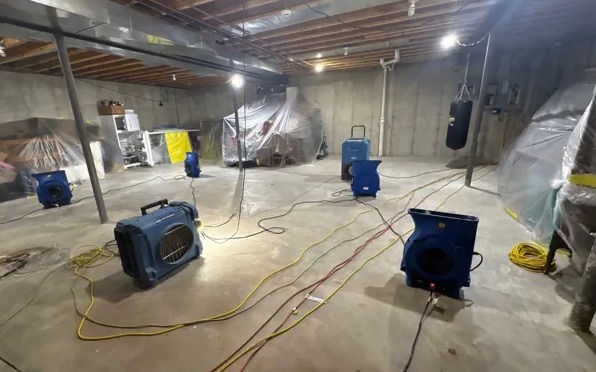
Professional Hydrostatic Pressure Water Removal in Coolidge, AZ
In Coolidge, when the ground around a foundation is full of water, the pressure pushes it through the weakest spots. Cracks in the walls or slab are usually where it comes in.
Comprehensive Hydrostatic Pressure Water Removal Solutions
Structural Drying After Intrusion
After water is pushed inside, air movers and dehumidifiers dry the wood, concrete and drywall it reached so rot and mold do not start.
Crawl Space Water Extraction
Pumps and extractors made for tight spaces remove water from the crawl space before any drying, encapsulation or other work can start.
Slab Leak Water Removal
Water pooling on a concrete slab often indicates a plumbing leak or hydrostatic pressure forcing moisture upward.
Groundwater Intrusion Mitigation
Moisture readings and entry points are recorded during the work, which helps plan both the drying and any drainage changes outside.
Foundation Crack Water Infiltration
Water coming through foundation cracks is pushed in by soil pressure. The water that got in is extracted and the area dried, and the crack is noted for a foundation contractor.
Warning Signs You Need Hydrostatic Pressure Water Removal
Spongy or Soft Spots on Floors
Damp spots or lifting flooring on a slab can mean water is coming up from below.
Gurgling Sounds From Floor Drains
Gurgling floor drains during heavy rain can mean water pressure is building in the drain lines around the house.
High Indoor Humidity Levels
High humidity in lower levels that does not go away can mean water is seeping through the foundation.
Pooling Water in Crawl Space
Standing water in a crawl space is a clear sign water is getting in and needs to be removed.
How Hydrostatic Pressure Water Removal Works in Coolidge
Step 1: Safety and Hazard Assessment
The area is made safe and electrical hazards are checked before any water removal starts.
Step 2: Foundation Crack Water Infiltration Stop
Water coming through cracks is managed with pumps while the area dries, and the cracks are noted for a foundation contractor.
Step 3: Advanced Drying System Setup
Desiccant dehumidifiers and injectidry systems are installed to dry deep within building materials. This equipment pulls moisture out of concrete, wood and insulation.
Step 4: Post-Restoration Integrity Check
A final check confirms the lower level is dry, and the readings are shared with you.
Sources Requiring Hydrostatic Pressure Water Removal
Plumbing Leaks Under the Slab
A broken water line under the slab keeps feeding water up through the floor.
Foundation Settlement and Cracks
As a foundation settles, cracks form and give groundwater a direct path inside.
Clogged or Collapsed Footing Drains
When perimeter drains clog or fail, water has nowhere to go and presses against the walls and slab.
Improper Landscaping and Irrigation
Landscaping that slopes toward the house, or heavy watering near it, adds water to the soil against the foundation.
Hydrostatic Pressure Water Removal for Homes and Businesses in Coolidge
Residential Hydrostatic Pressure Water Removal
Hydrostatic pressure damage threatens a home's structure and indoor air. In homes throughout Coolidge, local water removal pros remove wet subfloor, dry the structure and repair foundation crack leaks to prevent costly long-term damage.
Commercial Hydrostatic Pressure Water Removal
In businesses, groundwater in a lower level can damage stock and equipment. Local structural drying professionals remove the water and dry the space to keep downtime short.
Professional Hydrostatic Pressure Water Removal or DIY Cleanup in Coolidge
Take photos and video of the damage from a safe spot for your insurance claim. Stay out of flooded areas with power still on, and let the pros handle the moisture mapping.
Factors Affecting Hydrostatic Pressure Water Removal Pricing in Coolidge
Groundwater cleanup cost around Florence, Casa Grande and Eloy depends on how strong the pressure is, which materials are affected and how much waterproofing repair is needed.
Mitigation Measures
Drainage or waterproofing work to stop water from returning is a separate cost from the water removal.
Equipment Needs
Large pumps and industrial dehumidifiers for big jobs add to the equipment cost.
Required Drying Time
The number of days the structure takes to dry is a large part of the cost.
Does Insurance Cover Hydrostatic Pressure Water Removal?
Coverage for structural drying depends on your policy's limits and exclusions. The professionals provide moisture maps and drying logs, so check the details with your agent.
Advantages of Hiring Local Pros for Hydrostatic Pressure Water Removal in Coolidge
Controlled Demolition Protocols
Only subfloor and materials that cannot be dried are removed, which keeps the repair smaller.
Focused Mitigation Planning
You get notes on where water came in, so you can plan drainage work with a contractor.
Methodical Cleanup Process
Each step, from extraction to final readings, is done in order so nothing is left wet.
24/7 Emergency Hydrostatic Pressure Water Removal in Coolidge
Drying after groundwater gets in starts with a call to (520) 286-8912. The professionals are available 24/7 in Coolidge to remove the water and set up drying.
Call Now (520) 286-8912Hydrostatic Pressure Water Removal in Coolidge and Other Areas Served
Other places served are listed below, each with its own page.
- Hydrostatic Pressure Water Removal in Florence
- Hydrostatic Pressure Water Removal in Casa Grande
- Hydrostatic Pressure Water Removal in Eloy
- Hydrostatic Pressure Water Removal in Arizona City
- Hydrostatic Pressure Water Removal in Chuichu
- Hydrostatic Pressure Water Removal in Stanfield
- Hydrostatic Pressure Water Removal in Gold Canyon
- Hydrostatic Pressure Water Removal in Superior
- Emergency Damage Restoration in 85128
- Storm Damage Restoration in 85128
- Water Damage Restoration in 85128
- Water Extraction Service in 85128
- Water Leak Detection in 85128
- Water Removal Service in 85128
Frequently Asked Questions About Hydrostatic Pressure Removal
What equipment is used for groundwater extraction?
Groundwater extraction uses submersible pumps for deep water, wet-dry vacuums for shallow flooding, and specialized extractors for under-slab water removal.
Is slab leak water removal an emergency?
Often, yes. Water coming up through the slab can spread under flooring and into walls quickly, so it should be removed early.
What does groundwater intrusion mitigation involve?
Removing the water, drying the structure and then, often, drainage or waterproofing work outside by a contractor.
Will drying stop water from coming back?
No. Drying fixes the damage that is already there. Keeping water out takes drainage, grading or waterproofing work by a contractor.
When is wet subfloor removal necessary?
When wood subflooring is so soaked that it cannot be dried, it is removed to prevent rot and a weak floor.