Why, AZ · Pima County
Roof Leak Water Removal in Why, AZWet Contents Protection & Wet Insulation Removal
Roof Leak Water Removal in Why includes emergency roof tarping, ceiling water damage cleanup, wall cavity drying and wet contents protection.
Answered 24/7
Roof Leak Water Removal in Why, AZ
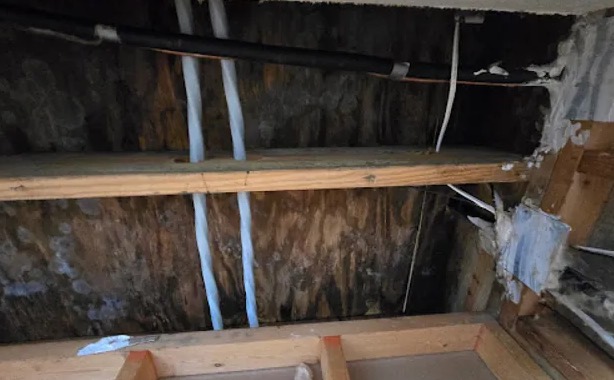
A small roof leak can run for weeks inside an attic before anyone notices. When the stain finally shows, the decking, insulation and drywall may all be wet.
Roof leak water removal is available in Why and nearby Pisinemo, Santa Rosa and Sells. The pros tarp the opening if needed, extract the water and dry the attic framing and ceiling drywall.
What Roof Leak Water Removal Covers in Why
Wet Contents Protection
Furniture, rugs and boxes under the leak are moved, blocked up or covered. Wet items are listed and photographed before they are dried or set aside.
Wet Insulation Removal
Wet insulation loses its value and flattens. Removing it exposes the ceiling drywall and joists so air movers and dehumidifiers can reach them.
Structural Drying Services
Air movers and dehumidifiers are set up in the attic and the rooms below. Rafters, decking and joists are metered daily until they reach normal readings.
Leak Source Identification
The pros follow the water trail from the stain up through the attic to the decking, flashing or vent where rain is getting in, and note it for the roofer.
Wall Cavity Drying
Bubbling paint or a damp baseboard below a ceiling stain means water is in the wall. Drying the cavity keeps the framing and drywall from rotting.
When a Roof Leak Needs Water Removal
Rusty Nails in the Attic
Rust on roofing nails or metal straps in the attic means moisture has been collecting there over many rains.
Puddles Under the Ceiling
Water on the floor under a stain or a drip means the ceiling above is already holding more than it can absorb.
Musty Smell After Rain
A damp, musty smell that gets stronger after storms often means insulation in the attic is staying wet.
Daylight Through the Roof Deck
Light showing through the decking from inside the attic marks a gap where rain can come straight in.
How Roof Leak Water Removal Works in Why
Step 1: Stop the Water
The opening in the roof is tarped and drips inside are caught, so no more rain reaches the attic while the cleanup starts.
Step 2: Attic Water Extraction
Standing water is pulled from the attic floor and from on top of the ceiling with wet vacuums and portable extractors.
Step 3: Remove Wet Insulation
Soaked insulation is bagged and taken out so the drywall and joists underneath are open to air.
Step 4: Structural Drying
Air movers and dehumidifiers dry the rafters, decking and ceiling, with readings taken each day until the wood is dry.
What Causes Roof Leaks in Why Homes
Skylight Seals
Skylight gaskets and curb flashing wear out, and water runs into the shaft and down the drywall around the opening.
Damaged or Missing Shingles
Wind, age and impact lift or tear shingles and leave the underlayment exposed, so rain soaks straight into the decking.
Storm Debris and Hail
Falling branches and hail can crack shingles or puncture the deck, opening a direct path for rain into the attic.
Aging Roofing Materials
As shingles age they curl, lose granules and crack, and slow leaks start where the roof covering has worn thin.
Residential and Commercial Roof Leak Water Removal in Why
Residential Roof Leak Water Removal
Persistent roof leaks can rot rafters and roof decking. The pros dry the framing and point out any wood that looks soft so the roofer can replace it.
Commercial Roof Leak Water Removal
In multi-tenant buildings, water from one roof leak can reach several floors. The pros trace it down through each level and dry every space it reached.
What You Can Do Before Help Starts on a Roof Leak
Fans and a household dehumidifier help a damp room, but they rarely dry an attic or a soaked ceiling. Wet insulation needs to come out first.
What Drives Roof Leak Cleanup Cost in Why
Costs rise when water has reached walls and floors below the attic, because each level needs its own extraction and drying setup.
How Long It Leaked
A leak caught during the first storm usually means less wet material than one that has been dripping into the attic for weeks.
Belongings in the Way
Moving and drying furniture, stored boxes and electronics under the leak adds time to the job.
Ceiling Drywall
Ceilings that can be dried in place cost less than ones that sag or crumble and have to be cut out and replaced.
Does Insurance Cover Roof Leak Water Removal?
Coverage often depends on what caused the leak. Storm damage is more likely to be covered than a leak from shingles that wore out over years.
Why Roof Leaks Need Professional Drying in Why
Safe Attic Work
The pros know how to move through an attic on the framing and handle wet ceilings without bringing them down.
Wet Insulation Handled
Soaked insulation is bagged and removed so the ceiling and framing can dry instead of staying damp under it.
Records for Your Claim
Photos, readings and a materials list give your adjuster a clear picture of what the roof leak damaged.
24/7 Emergency Roof Leak Water Removal in Why
For an active roof leak in Why, call (520) 286-8912. Local water damage pros handle the tarp, the water in the attic and the drying of the rooms below.
Call Now (520) 286-8912Local Roof Leak Water Removal Coverage for Why
The places below are also served, and each one has its own page.
Common Questions After a Roof Leak
How do the pros find where a roof is leaking?
They trace the water from the stain up into the attic, follow it along the rafters and decking, and use moisture meters to find the entry point.
Will water removal fix my roof?
No. Water removal dries the inside of the house. The pros can tarp the opening, but a roofer must replace shingles, flashing or decking.
What does emergency roof tarping involve?
A heavy tarp is laid over the damaged area and fastened down so rain stops coming in. It stays until a roofer makes the permanent repair.
Can my belongings be saved after a roof leak?
Many can. Furniture and boxes are moved out of the drip zone and dried. Items that soaked for a long time or are badly stained may not be worth saving.
How soon should water removal start after a roof leak?
As soon as possible. Wet drywall and insulation can start to grow mold in 24 to 48 hours, and a ceiling holding water can sag and fall.