Why, AZ · Pima County
Sewage Water Extraction in Why, AZBlack Water Extraction & Sewage Backup Cleanup
Sewage Water Extraction in Why handles black water extraction, sewage damage sanitization and sewage odor removal after a backup.
Answered 24/7
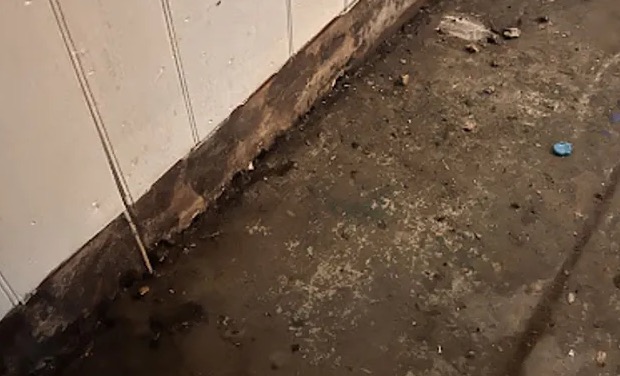
Sewage Water Extraction in Why, AZ
Most sewage backups in Why homes come up through the lowest drain in the house: a floor drain, a shower or a toilet on the bottom floor.
Sewage water extraction is available in Why and nearby Pisinemo, Santa Rosa and Sells. The pros handle toilet overflows, floor drain backups and main line backups in homes and businesses.
Sewage Water Extraction Work in Why
Black Water Extraction
Black water carries bacteria and viruses, so the pros extract it fully and treat every wet surface instead of just drying it.
Sewage Backup Cleanup
Cleanup covers floors, the lower part of walls, cabinets and fixtures touched by the backup, followed by disinfection and drying.
Emergency Sewage Pump Out
Pump-out is the first step when sewage covers more than one room. Extraction and cleaning follow once the bulk water is gone.
Sewage Odor Removal
A smell that comes back after cleanup usually means sewage is still in a wall cavity, under flooring or in a drain trap that dried out.
Sewage Damage Sanitization
Studs and the slab or subfloor exposed by demolition are treated before drying so bacteria are not sealed into the wall.
Sewage Backup Warning Signs in Why
Sewage Coming Up Through Drains
Dirty water rising in a floor drain, shower or tub, especially when another fixture is used, means the drain line is blocked.
Sewage Smell Indoors
A rotten-egg or sewer smell inside the house can mean sewage is leaking under a floor or inside a wall.
Slow Drains Throughout the House
When several drains slow down at once, the main line is often partly blocked and a backup may be close.
Toilet Water Level Changes
A toilet bowl that rises, drops or bubbles by itself can mean pressure in the drain line from a partial blockage.
How Sewage Water Extraction Works in Why
Step 1: Safety First
Power to wet areas is shut off, the area is ventilated and everyone not wearing protective gear is kept out.
Step 2: Pump and Extract
Bulk sewage is pumped out, then extractors pull the rest from floors, grout and slab cracks.
Step 3: Contaminated Flooring Removal
Carpet and pad are cut out and bagged, and floors that sewage seeped under are lifted to reach the subfloor.
Step 4: Final Checks
Readings confirm the structure is dry, and the area is checked for any remaining odor before equipment leaves.
Why Sewage Backs Up Into Homes
Collapsed or Sagging Pipe
Old pipes can crack, sag or collapse as soil shifts, leaving low spots where waste collects and blocks the flow.
Tree Root Intrusion
Roots grow into joints and cracks in older sewer lines, catch waste and eventually block the line completely.
Main Line Clog
A blockage in the main building drain sends sewage from every fixture to the lowest drain in the house.
Flushed Wipes and Debris
Wipes, paper towels and hygiene products do not break down like toilet paper and form clogs in the main line.
Sewage Water Extraction for Homes and Businesses in Why
Residential Sewage Water Extraction
In condos and townhomes, sewage can come from a neighbor's drain through a shared line. The pros clean each affected unit and record what they found in each.
Commercial Sewage Water Extraction
In multi-tenant buildings, a backup in one suite can reach others. The pros check each space, clean and disinfect them, and keep separate records for each tenant.
Why DIY Sewage Cleanup Is Risky in Why
Household mops, wet-dry vacuums and bleach are not enough for sewage. Waste soaks into porous materials, and bleach does not clean surfaces still coated with it.
Pricing Sewage Cleanup in Why
A toilet overflow in one bathroom costs far less to clean up than a main line backup that covered a whole floor.
Materials Removed
Carpet, pad, drywall, insulation and cabinets touched by sewage are removed and disposed of, which adds to the cost.
Rooms Affected
Each room the sewage reached needs extraction, material removal, disinfection and drying, which adds labor and equipment.
Time Before Cleanup
Sewage that sat for a day or more soaks deeper and leaves stronger odor, so more material comes out and drying takes longer.
Does Insurance Cover Sewage Water Extraction?
Call your insurer soon after the backup. Photos of the sewage, the drains and damaged belongings, plus the pros' readings, help the adjuster.
Reasons to Use Local Pros for Sewage Cleanup in Why
Measured Drying
Drying ends when readings match unaffected areas, so walls and floors are not closed up while still wet.
Odor Removed at the Source
Removing soaked materials and treating the surfaces underneath deals with the cause of the smell, not just the air.
Homes and Businesses
The same cleanup steps apply to houses, condos, restaurants and offices, scaled to the size of the backup.
Emergency Sewage Backup Help in Why
Sewage smell and water near a floor drain after a storm? Call (520) 286-8912 24/7 before it spreads into more rooms of the house.
Call Now (520) 286-8912Sewage Water Extraction Coverage in Why and Beyond
The places below are also served, and each one has its own page.
Sewage Water Extraction FAQ for Why Homeowners
Can sewage damage spread to other rooms?
Yes. Sewage wicks into walls and runs under flooring and cabinets. The pros check rooms next to the backup as well as the room it started in.
Can carpet be saved after a sewage backup?
Usually not. Carpet and pad soaked with sewage are removed and thrown away because they cannot be cleaned safely.
How do the pros know when the area is clean and dry?
Surfaces are cleaned and disinfected, and moisture readings in walls and floors are compared with dry areas until they match.
Can I stay in my home during sewage cleanup?
Often yes, if the affected area is closed off and you can avoid it. People with health problems, infants and older adults may want to stay elsewhere.
What causes sewage to back up into a house?
Common causes are tree roots in the sewer line, grease and wipes in the pipes, a collapsed pipe and city sewers overloaded by heavy rain.