Tucson, AZ · Pima County
Smoke Damage Assessment in Tucson, AZSmoke Residue Testing & HVAC System Smoke Contamination Check
Smoke Damage Assessment in Tucson covers smoke odor source detection, HVAC system smoke contamination check and emergency smoke damage tarping.
Answered 24/7
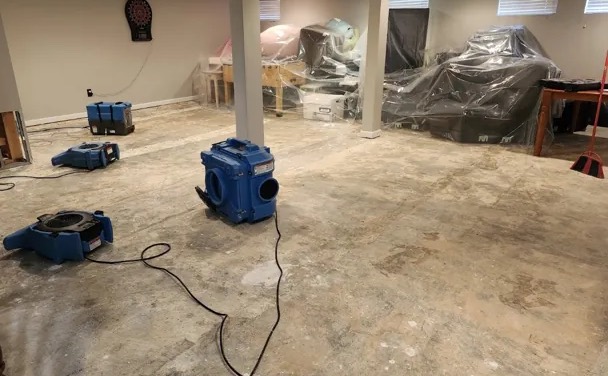
Accurate Smoke Damage Assessment for Tucson Properties
Smoke from a fire in Tucson can spoil indoor air and leave lasting odors in materials. Soot residue is acidic and keeps corroding surfaces until it is removed, so an assessment maps the contamination before cleanup starts.
Homes in Tucson and nearby areas like South Tucson, Sam Hughes and Flowing Wells often need a detailed assessment after smoke damage. Local smoke damage pros evaluate soot on contents, the structure and air quality, including odor sources and HVAC systems, to plan a full recovery.
Comprehensive Smoke Damage Assessment for Tucson
Smoke Residue Testing
Whether residue is acidic, alkaline or oily decides how walls, ceilings and contents are cleaned and deodorized.
HVAC System Smoke Contamination Check
Pros check heating and cooling ducts for soot, since the system can spread smoke to rooms the fire never reached.
Structural Smoke Inspection
Thermal imaging and borescope cameras show smoke inside walls and ceilings without opening them up, which sets a precise scope.
Emergency Smoke Damage Tarping
Tarping seals roof and wall openings so more soot and weather do not get in, protecting clean areas during the assessment.
Smoke Odor Source Detection
People notice smoke odor at low levels, which makes the source hard to find. Pros use specialized tools to trace it in homes in Tucson.
Warning Signs You Need Smoke Damage Assessment in Tucson
Discolored Fabrics and Window Treatments
Stained curtains, upholstery or carpet with a lasting odor have absorbed smoke.
Visible Soot or Yellowing on Walls
Black or yellow stains and streaks on walls and ceilings show smoke residue has settled there.
Black Dust Around Plumbing Fixtures
Fine black powder around drains or toilet bases can be soot carried by air currents.
Persistent Smoke Odors After Airing
A smoky smell that comes back after airing out the house means residue is embedded in surfaces.
How Smoke Damage Assessment Works in Tucson
Step 1: Documentation for Insurance Purposes
Smoke damage pros photograph and note all damage for your insurance before any work begins.
Step 2: Identification of Smoke Residue Types
Pros identify whether residue is protein, fuel or dry smoke to choose the right cleaning.
Step 3: Assessment of Corrosive Damage Potential
Pros check how much acidic soot could corrode metals, wiring and electronics.
Step 4: Development of Customized Cleanup Protocol
A cleanup plan is written from the findings, covering odor removal and restoration.
Common Causes of Smoke Damage Assessment Needs in Tucson
Electrical Fire Smoke Contamination
Electrical fires create acrid smoke that corrodes metal and leaves a strong odor.
Synthetic Material Combustion
Burning plastics, vinyl or foam releases acidic soot that can etch and stain surfaces.
Natural Material Smoke From Wood
Burning wood or paper leaves dry, powdery soot that still discolors and odorizes surfaces.
High Heat Driving Smoke Into Materials
High heat forces smoke particles into the smallest pores of walls, floors and furniture.
Complete Smoke Damage Assessment for All Properties in Tucson
Residential Smoke Damage Assessment
Home assessments focus on family safety, finding hidden odor sources in attics, crawl spaces and ducts and deciding which belongings can be saved.
Commercial Smoke Damage Assessment
Commercial assessments check smoke's effect on equipment, stock and ventilation to prevent corrosion and plan cleanup that meets health standards.
Professional Smoke Damage Assessment or DIY Cleanup in Tucson
For light smoke exposure, open windows and run fans to move smoky air out, and wipe hard surfaces like counters with mild detergent. If odors stay or you see soot stains, call the pros for a professional assessment.
Smoke Damage Assessment Cost Considerations in Tucson
The cost of an assessment in Tucson depends on how far damage spread and how large the area is. Widespread soot usually needs a more detailed evaluation.
Surface Types
Delicate surfaces like stone or fine wood need special inspection methods and care.
Air Quality Testing
Testing air in several zones adds sampling and lab analysis to the job.
Emergency Measures
Emergency tarping done before the assessment is part of the overall cost.
Does Insurance Cover Smoke Damage Assessment?
Insurance may cover the assessment if your policy includes fire damage. The pros document contents and HVAC contamination, and odor removal coverage varies by plan.
Why Choose Local Pros for Smoke Damage Assessment in Tucson
24/7 Emergency Response
Smoke damage spreads quickly, and local smoke damage pros can start an inspection at any hour.
Advanced Odor Detection
Specialized tools find the source of lasting smoke smells so treatment targets it.
Around-the-Clock Initiation
A fast assessment from the pros helps prevent more damage while cleanup is planned.
Emergency Smoke Damage Assessment Available Anytime in Tucson
Do not let smoke residue keep damaging your home. Reach the pros at (520) 286-8912 24/7 in Tucson to start odor tracing and inspection.
Call Now (520) 286-8912Smoke Damage Assessment Available Throughout Pima County
Residents of Tucson and nearby communities including South Tucson, Sam Hughes and Flowing Wells can get a full assessment to guide smoke cleanup.
Your Smoke Damage Assessment Questions Addressed
What if smoke damage is only in one room?
Smoke travels on air currents, so a full assessment often finds contamination in other rooms and the HVAC system.
Why is documentation from assessment important?
Photos and notes support your insurance claim and give the cleanup pros who follow a clear record to work from.
What is soot damage assessment for contents?
It checks your belongings for soot to decide which items can be cleaned and which need other attention.
Why is smoke odor so difficult to remove?
Smoke particles soak deep into porous materials and linger in HVAC systems, so finding every source takes professional tools.
Are smoke smells a health concern after a fire?
Odors can signal lingering particles, and air testing during the assessment can show any immediate problem.