Trusted by 150+ Homeowners
What Is Fire Restoration Timeline For Minor Vs Major Fires?
- Over 150 5-Star Reviews
- Free Estimates and Quotes
- 100% Satisfaction Guaranteed
- Child, Family & Pet Safe Steps
- 24-Hour Emergency Service
- Fully Licensed & Insured

The fire restoration timeline varies greatly depending on the fire’s size. Minor fires might take a few days to a week, while major fires can extend to several weeks or even months.
Understanding this timeline helps you prepare for the recovery process after a fire.
TL;DR:
- Minor fire restoration is quicker, often days to a week.
- Major fire restoration can take weeks to months.
- Key phases include assessment, cleanup, odor removal, and rebuilding.
- Smoke and water damage significantly impact the timeline.
- Prompt action by professionals is vital for efficient restoration.
What Is Fire Restoration Timeline for Minor vs Major Fires?
When fire strikes your home, the immediate aftermath can feel overwhelming. You’ll want to know how long it will take to get your life back to normal. The fire restoration timeline for minor fires differs significantly from that of major fires. We found that understanding these differences is key to managing expectations during a stressful time.
The Initial Assessment: A Crucial First Step
Before any work begins, a thorough assessment is necessary. This involves inspecting the full extent of the damage. Experts look at fire damage, smoke damage, and any water damage from firefighting efforts. This initial inspection helps create a detailed restoration plan.
Minor Fires: A Quicker Recovery
For minor fires, like a small kitchen grease fire contained quickly, the timeline is generally shorter. You might be looking at a few days to about a week for the restoration process. This usually involves cleaning smoke residue, deodorizing, and minor repairs.
Major Fires: A Lengthier Process
Major fires, however, can cause widespread destruction. Structural damage is common. The restoration process for these can stretch from several weeks to many months. This depends on the severity of the damage and the rebuilding required.
Phases of Fire Restoration: What to Expect
The restoration process follows several key phases. Each phase contributes to the overall timeline. We found that knowing these steps can make the journey less mysterious.
Phase 1: Emergency Response and Board-Up
Immediately after the fire, emergency services will secure the scene. Then, a restoration company will often board up windows and doors. This protects your property from further damage and weather. This step is usually completed within 24 to 48 hours.
Phase 2: Water and Fire Damage Cleanup
This is where the bulk of the cleaning happens. It involves removing soot, ash, and debris. It also includes drying out water damage from firefighting. The complexity of the damage left behind after fire dictates how long this takes. This can range from a few days for minor incidents to weeks for extensive damage.
Phase 3: Smoke and Odor Removal
Smoke particles are pervasive and can leave lingering odors. Advanced techniques are used to neutralize these smells. This phase is critical for making your home habitable again. It can take several days to a couple of weeks, depending on the smoke penetration.
Phase 4: Repair and Rebuilding
Once cleaning is complete, repairs begin. This might involve replacing drywall, flooring, or even rebuilding parts of the structure. The scope of rebuilding directly impacts the timeline. For minor fires, this could be a few days. For major fires, this is where the timeline extends significantly, potentially adding weeks or months.
Factors Influencing the Fire Restoration Timeline
Several factors can speed up or slow down the restoration process. Understanding these can help you anticipate potential delays.
Severity of Smoke and Soot Damage
The type of smoke (wet vs. dry) and how deeply it penetrates materials affects cleaning time. Deeply embedded fire residue on household materials requires more intensive cleaning. This can add days to the process.
Extent of Water Damage
Firefighting efforts often introduce significant water. If not dried properly, this can lead to mold growth. Dealing with extensive water damage and its potential secondary issues, like mold remediation, can extend the restoration timeline.
Structural Integrity
If the fire caused significant structural compromise, rebuilding becomes a major factor. This requires engineering assessments and permits. It can significantly lengthen the overall project duration, especially if you need to consider what are the zoning rules for rebuilding after major fire damage.
Material Selection and Availability
Choosing new materials for repairs can take time. If custom orders are needed or materials are out of stock, this can cause delays. The availability of skilled labor also plays a role. We found that supply chain issues can sometimes be a hidden bottleneck.
Insurance Claims Process
Navigating insurance claims can sometimes cause delays. Prompt communication and clear documentation are key. Delays in approval for certain repairs can halt progress. It’s wise to understand how much does fire damage restoration cost upfront to discuss with your insurer.
Comparing Minor vs. Major Fire Restoration Timelines
Let’s break down a typical comparison. This table offers a general idea:
| Fire Severity | Estimated Timeline | Primary Focus |
|---|---|---|
| Minor (e.g., small kitchen fire) | 1-7 Days | Soot cleaning, odor removal, minor repairs |
| Moderate (e.g., room fire, contained) | 1-4 Weeks | Extensive cleaning, smoke damage mitigation, some repairs |
| Major (e.g., whole-house fire) | 4 Weeks – 6+ Months | Structural repairs, extensive rebuilding, deep cleaning, odor elimination |
This table highlights how the scope of work dramatically impacts the fire restoration timeline. It’s important to remember these are estimates. Actual times can vary. We’ve seen situations where unexpected issues, much like dealing with storm water entering the property after other severe weather events, can cause unforeseen delays.
The Importance of Professional Restoration
Why is hiring professionals so important? They have the specialized equipment and expertise to handle fire damage effectively. They understand the chemistry of smoke and soot. They can also navigate the complexities of rebuilding and insurance. This ensures a more efficient and thorough restoration.
Speeding Up the Process
While you can’t control the fire itself, you can influence the restoration speed. Act fast by contacting a reputable restoration company immediately after the fire. Clear communication with the restoration team and your insurance adjuster is also vital. Making timely decisions about repairs helps keep the project on track.
What Not to Do While Waiting
During the restoration period, avoid certain actions. Don’t try to clean heavy soot or smoke damage yourself. This can make it worse. Avoid re-entering damaged areas until they are declared safe. It’s also wise to document everything with photos and notes for your insurance claim.
Your Path to Recovery
The fire restoration timeline is a journey, not a race. For minor fires, you can often see a return to normalcy relatively quickly. For major fires, it requires patience and a commitment to the rebuilding process. Understanding the steps involved and working with experienced professionals can make a world of difference. This ensures that all the damage after severe weather events, or in this case, fire, is properly addressed.
Restoration Checklist: Key Steps
Here’s a quick checklist of what to expect:
- Initial inspection and damage assessment.
- Emergency board-up and securing the property.
- Water extraction and drying (if applicable).
- Soot and smoke removal.
- Odor neutralization.
- Cleaning and sanitizing contents.
- Repairing or rebuilding damaged structures.
- Final cleaning and restoration.
Following these steps systematically is key to a successful outcome. It’s about getting your home back to its pre-fire condition, or even better. Remember, do not wait to get help if you suspect hidden damage.
Conclusion
The fire restoration timeline for your property depends heavily on the fire’s scale. Minor incidents may be resolved within days, while major disasters can require months of dedicated work. Professional restoration services from a trusted company like Tucson Restoration Aider are essential for navigating this complex process efficiently and effectively. They bring the expertise and tools needed to address the full scope of damage, from visible destruction to hidden smoke residue, ensuring your home is safely restored.
What is the difference between wet smoke and dry smoke damage?
We found that wet smoke is typically from a low-heat, smoldering fire and leaves a sticky, tar-like residue. Dry smoke, from a high-heat, fast-burning fire, leaves a powdery, soot-like residue. Both require specialized cleaning techniques to remove the fire residue on household materials effectively.
How soon can I return to my home after a fire?
You should not return to your home until it has been declared safe by fire officials and restoration professionals. For minor fires, this might be within a day or two. For major fires, it could be weeks or months, especially if there are structural concerns or the need for extensive rebuilding. Your safety is the top priority.
Can fire restoration fix smoke odors permanently?
Yes, professional restoration companies use advanced techniques, such as ozone treatments and thermal fogging, to permanently eliminate smoke odors. Simply masking the smell is not enough. These methods neutralize odor molecules, ensuring the smell of smoke is gone.
What if my insurance company is slow to approve repairs?
It’s important to maintain consistent communication with your insurance adjuster. Provide them with all necessary documentation promptly. If delays persist, you may need to consult with a public adjuster or an attorney. Understanding how much does fire damage restoration cost can help in these discussions.
How does water damage from firefighting affect the timeline?
Water used to extinguish a fire can cause significant damage, including structural weakening and mold growth. The drying and remediation process for water damage adds time to the overall fire restoration timeline. This is why prompt water extraction is so important to prevent further issues, akin to addressing damage after severe weather events.
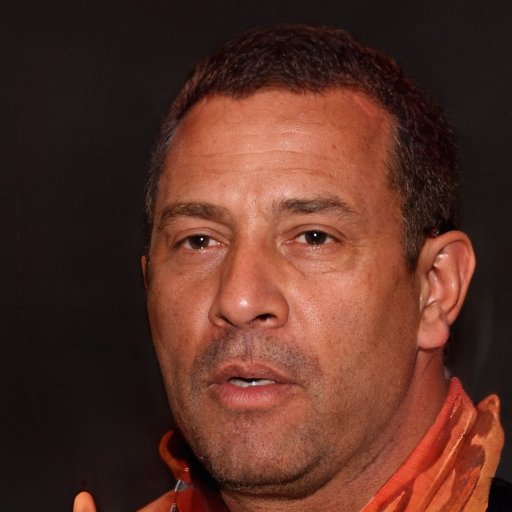
Michael Gero is a licensed property recovery expert with over 20 years of hands-on experience in the disaster restoration industry. As a veteran specialist, Michael is recognized for his technical mastery and commitment to structural integrity, helping residential and commercial clients navigate complex mitigation projects while ensuring every site meets rigorous safety and environmental standards.
𝗖𝗲𝗿𝘁𝗶𝗳𝗶𝗰𝗮𝘁𝗶𝗼𝗻𝘀: Michael is highly credentialed through the IICRC, holding advanced certifications in Water Damage Restoration (WRT), Mold Remediation (AMRT), Applied Structural Drying (ASD), Odor Control (OCT), and Fire and Smoke Restoration (FSRT).
𝗙𝗮𝘃𝗼𝗿𝗶𝘁𝗲 𝗣𝗮𝘀𝘁𝗶𝗺𝗲: An avid outdoorsman and classic car enthusiast, Michael enjoys spending his weekends restoring vintage engines and exploring scenic hiking trails with his family.
𝗕𝗲𝘀𝘁 𝗣𝗮𝗿𝘁 𝗼𝗳 𝘁𝗵𝗲 𝗝𝗼𝗯: Michael finds the most fulfillment in providing a sense of stability. He prides himself on being a steady, empathetic guide for families during crises, transforming a site of devastation back into a safe, comfortable sanctuary.