Trusted by 150+ Homeowners
What Is The Restoration Process After A Vehicle Hits A Building?
- Over 150 5-Star Reviews
- Free Estimates and Quotes
- 100% Satisfaction Guaranteed
- Child, Family & Pet Safe Steps
- 24-Hour Emergency Service
- Fully Licensed & Insured

The restoration process after a vehicle hits a building involves assessing damage, securing the structure, and performing necessary repairs. It’s a complex process that requires immediate attention to prevent further issues.
Understanding the steps involved in the restoration process after a vehicle collision with your property is key to a swift and effective recovery. Tucson Restoration Aider is here to guide you.
TL;DR:
- Assess structural integrity and safety immediately.
- Secure the site to prevent further damage or unauthorized access.
- Address immediate hazards like gas leaks or electrical issues.
- Begin debris removal and structural repairs.
- Handle water damage, mold, and potential contamination.
- Restore finishes, fixtures, and personal property.
What Is the Restoration Process After a Vehicle Hits a Building?
When a car or truck crashes into your building, it’s a shocking and often disruptive event. The immediate aftermath can feel overwhelming. You’re likely wondering about safety, damage, and what comes next. The restoration process is designed to bring your property back to its pre-incident condition.
Immediate Safety and Assessment
Your first priority is safety. After a collision, there could be structural instability or dangerous hazards. It’s vital to evacuate the immediate area. Do not re-enter until emergency services deem it safe. Assess if there are any visible signs of gas leaks, electrical damage, or compromised support beams.
Emergency Services and Initial Response
Call 911 or your local emergency number immediately. They will secure the scene and address any immediate dangers. Police will handle the accident report. Fire departments might check for gas leaks or electrical hazards. This initial response is critical for preventing further harm.
Securing the Property
Once the scene is safe, securing the property is the next big step. This prevents unauthorized access and protects the building from further damage, like weather. Professionals may board up broken windows or doors. They might erect temporary supports for damaged walls or roofs.
Preventing Secondary Damage
A breach in your building’s exterior can expose the interior to the elements. Rain or wind can cause significant water damage. This is where understanding what is the professional water damage drying process becomes important. Moisture can lead to mold growth and structural rot if not addressed quickly. This is why acting fast is crucial.
Damage Evaluation and Scope of Work
A thorough inspection is necessary. Restoration professionals will assess the full extent of the damage. This includes structural damage, interior finishes, and any personal belongings affected. They document everything for insurance purposes. This detailed evaluation forms the basis for the restoration planning for business properties or homes.
Structural Integrity Concerns
Vehicle impacts can compromise the building’s frame. This is especially true if the impact was on a load-bearing wall or the foundation. Experts will use specialized equipment to check for hidden damage. They ensure the building remains stable and safe.
Debris Removal and Cleanup
Once the assessment is complete, the cleanup begins. This involves removing broken glass, vehicle parts, and building debris. If the impact caused any hazardous materials to be released, specialized cleanup protocols are followed. Sometimes, this can involve dealing with issues similar to what is the cleanup process for sewage in a basement if utilities are compromised and cause other issues.
Handling Contaminated Water
If water entered the property due to the damage, it needs careful handling. This could be rainwater or even burst pipes from the impact. Addressing contaminated water entering living areas promptly prevents mold and health problems. The drying process is meticulous.
Structural Repairs
This is where the building starts to be rebuilt. Damaged walls are repaired or replaced. Structural supports are reinforced or rebuilt. Roofing and siding are fixed to make the building watertight again. This stage requires skilled contractors.
Interior Restoration
After the structure is sound, the interior is addressed. This includes repairing or replacing drywall, flooring, and ceilings. Damaged electrical and plumbing systems are repaired or replaced. Painting and finishing touches bring the interior back to its original state.
Specialty Item Restoration
Sometimes, delicate items are affected. For example, artwork might be damaged by debris or water. Understanding what is the process for restoring artwork after water damage can be crucial for preserving sentimental or valuable pieces. Professionals trained in specialty restoration can often save these items.
Restoration for Commercial Properties
For businesses, the focus is not just on repairs but also on reducing downtime after property damage. A swift and efficient restoration process is vital to resume operations. This involves careful coordination and planning. The goal is to get your business back up and running as quickly as possible.
Insurance Claims and Documentation
Navigating insurance claims can be complex. Having detailed documentation from the initial assessment is key. Restoration companies work with insurance adjusters to ensure all necessary repairs are covered. This process can feel daunting, but professional help is available.
The Importance of Professional Help
Dealing with the aftermath of a vehicle impact requires expertise. Restoration professionals have the tools, knowledge, and experience to handle the situation safely and effectively. They understand the building codes and best practices for repairs. They can also identify hidden damage after moisture exposure that you might miss.
Why Not DIY?
Attempting major structural repairs yourself can be dangerous. It can also lead to improper fixes that cause more problems later. For instance, improper water extraction can lead to mold. It’s always best to call a professional right away for significant damage.
Prevention and Future Preparedness
While you can’t prevent all accidents, you can prepare. Having a plan for emergencies can make a difference. Knowing who to call for restoration services is a good start. This is especially true when dealing with damage after severe weather events or accidents.
What to Expect with Severe Weather
Accidents can be compounded by other issues. For example, if a storm hits while your building is already compromised, the damage can worsen. Understanding the initial steps after events like tornadoes is also helpful, as some principles overlap with accident recovery, such as immediate safety and securing the structure. Knowing what is the first step after a tornado hits your home can provide context for emergency response.
Checklist for Vehicle Impact Damage Recovery
- Ensure everyone is safe and accounted for.
- Call emergency services (911, fire department, police).
- Do not enter the damaged area until cleared by professionals.
- Contact your insurance company promptly.
- Call a reputable restoration company for assessment and repairs.
- Document all damage with photos and videos.
Conclusion
A vehicle collision with a building is a serious event that requires a structured approach to restoration. From immediate safety concerns and structural assessment to detailed repairs and finishing touches, each step is vital. For residents and business owners in the Tucson area facing such damage, knowing that a trusted resource like Tucson Restoration Aider is available can provide peace of mind. They are equipped to handle the complexities of the restoration process, ensuring your property is safely and effectively returned to its former state. Remember, acting swiftly and engaging professionals is key to a successful recovery and preventing further issues.
What are the first signs of structural damage after a collision?
Look for visible cracks in walls or foundations, sagging ceilings, doors or windows that no longer close properly, and any leaning or shifting of the building’s structure. Sometimes, you might hear creaking or popping sounds that weren’t there before. It’s important to act before it gets worse.
How long does the restoration process typically take?
The timeline varies greatly depending on the severity of the damage. Minor impacts might take a few days to repair. However, extensive structural damage can take weeks or even months. Factors like material availability and inspection approvals also play a role. Planning with experts helps estimate this.
Can I start cleaning up myself before professionals arrive?
For minor debris, you might be able to do some light cleanup if it’s safe. However, avoid touching anything that looks structurally compromised or potentially hazardous. Let the restoration professionals handle the main cleanup to ensure safety and proper documentation for insurance. Do not wait to get help for major tasks.
What is the role of the insurance company in this process?
Your insurance company will assess the damage covered by your policy. They work with you and the restoration company to approve and fund the necessary repairs. It’s essential to maintain open communication with your adjuster and provide all requested documentation. Getting expert advice today can help with this.
Are there any health risks associated with this type of damage?
Yes, there can be. Structural instability poses immediate physical danger. If the impact damaged plumbing or sewage lines, you could face exposure to contaminated water, leading to serious health risks. Mold can also develop if water damage isn’t addressed promptly. Professional assessment is key to identifying all risks.
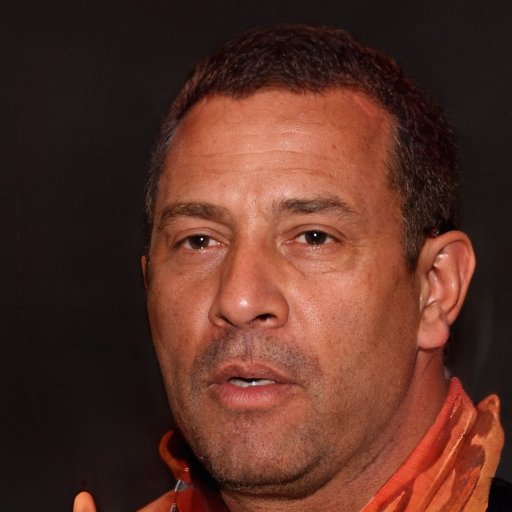
Michael Gero is a licensed property recovery expert with over 20 years of hands-on experience in the disaster restoration industry. As a veteran specialist, Michael is recognized for his technical mastery and commitment to structural integrity, helping residential and commercial clients navigate complex mitigation projects while ensuring every site meets rigorous safety and environmental standards.
𝗖𝗲𝗿𝘁𝗶𝗳𝗶𝗰𝗮𝘁𝗶𝗼𝗻𝘀: Michael is highly credentialed through the IICRC, holding advanced certifications in Water Damage Restoration (WRT), Mold Remediation (AMRT), Applied Structural Drying (ASD), Odor Control (OCT), and Fire and Smoke Restoration (FSRT).
𝗙𝗮𝘃𝗼𝗿𝗶𝘁𝗲 𝗣𝗮𝘀𝘁𝗶𝗺𝗲: An avid outdoorsman and classic car enthusiast, Michael enjoys spending his weekends restoring vintage engines and exploring scenic hiking trails with his family.
𝗕𝗲𝘀𝘁 𝗣𝗮𝗿𝘁 𝗼𝗳 𝘁𝗵𝗲 𝗝𝗼𝗯: Michael finds the most fulfillment in providing a sense of stability. He prides himself on being a steady, empathetic guide for families during crises, transforming a site of devastation back into a safe, comfortable sanctuary.