Trusted by 150+ Homeowners
Who Is Responsible For Flood Damage In An Hoa?
- Over 150 5-Star Reviews
- Free Estimates and Quotes
- 100% Satisfaction Guaranteed
- Child, Family & Pet Safe Steps
- 24-Hour Emergency Service
- Fully Licensed & Insured

Who is responsible for flood damage in an HOA? It often depends on where the water originated. If it’s from a common area issue, the HOA is typically responsible. For damage within your unit from a source outside your control, the HOA might cover it.
Understanding HOA responsibility for flood damage is key for homeowners. This guide breaks down who pays for what, helping you navigate the often-confusing world of community living.
TL;DR:
- HOA usually covers damage from common areas or external sources.
- Individual unit owners are responsible for damage originating within their own unit.
- Review your HOA’s CC&Rs and your insurance policy carefully.
- Document everything: photos, videos, and repair estimates.
- Contact your HOA board and insurance company immediately after any flood event.
Who Is Responsible for Flood Damage in an HOA?
When water invades your home, the first question is: who foots the bill? In a Homeowners Association (HOA), this can be a bit tricky. Generally, responsibility falls on whoever owns the area where the damage started.
Understanding HOA vs. Individual Responsibility
Your HOA’s governing documents, the Covenants, Conditions & Restrictions (CC&Rs), define these boundaries. They usually outline what parts of the property the HOA maintains and insures. This often includes roofs, exterior walls, and common areas like clubhouses or pools. You, as the homeowner, are usually responsible for the interior of your unit. This includes things like drywall, flooring, and personal belongings.
Damage Originating from Common Areas
If a pipe bursts in the building’s main water line or a roof leak affects multiple units, the HOA is likely on the hook. These are common area issues. The HOA’s master insurance policy is designed to cover such events. Prompt reporting to the HOA board is essential.
Damage Within Your Unit
Conversely, if a pipe under your sink leaks and causes damage only to your unit, that’s typically your responsibility. However, this can get complicated. What if that leak caused mold to spread? You might need to consider hidden damage after moisture exposure.
The Role of Your Insurance Policies
This is where things get layered. You’ll likely have two insurance policies at play: your personal homeowner’s insurance and the HOA’s master policy. Your personal policy is your first line of defense for damage within your unit. The HOA’s policy kicks in for common elements or when a claim exceeds your coverage limits.
Your Personal Homeowner’s Insurance
Your policy covers the interior of your home. This includes things like your walls, floors, and personal possessions. It’s crucial to understand your policy’s limits and deductibles. Knowing your coverage is vital before a problem arises.
The HOA’s Master Insurance Policy
This policy covers the “bones” of the building and common areas. Think of the building’s structure, shared hallways, and amenities. The HOA board manages this policy. They are responsible for paying the premiums. The HOA board must maintain adequate coverage.
When Water Enters Your Home: A Step-by-Step Guide
Discovering water damage can be overwhelming. Here’s a basic process to follow, regardless of who ultimately pays:
- Assess the Situation Safely: If water is still flowing, try to shut off the source if you can do so safely. Avoid electrical hazards.
- Document Everything: Take clear photos and videos of the damage. This is critical evidence.
- Notify the HOA: Inform your HOA board immediately about the water intrusion.
- Contact Your Insurance: File a claim with your personal insurance company.
- Call a Restoration Professional: For significant damage, call a professional right away. They can assess the extent of the damage and begin remediation.
Common Causes of Flood Damage in HOAs
Several scenarios can lead to flood damage within an HOA community. Understanding these can help you be more prepared. Some are external, while others stem from internal building issues.
External Water Intrusion
Heavy rains can overwhelm drainage systems. This can lead to storm water entering the property. If the HOA is responsible for exterior maintenance, they may be liable. For instance, clogged gutters or poor landscaping drainage can cause water to pool. This could lead to water entering through basement walls if applicable.
Internal Plumbing Failures
Leaking pipes within walls or ceilings are a frequent culprit. If the pipe is part of the building’s main plumbing, it’s likely an HOA issue. If it’s a pipe serving only your unit, it might be yours. Identifying the source is crucial for assigning responsibility.
Appliance Malfunctions
A malfunctioning washing machine or dishwasher can cause a flood. If the appliance is in your unit, you’re usually responsible for the resulting damage. However, if the appliance is a common element, the HOA might be responsible.
What If There’s Disagreement?
Disagreements over responsibility are common. Your CC&Rs are the first place to look. If they are unclear, you may need to involve legal counsel. Sometimes, mediation can help resolve disputes. Do not wait to get help if you are in a dispute.
The Importance of Regular Maintenance
Preventing flood damage is always better than dealing with the aftermath. Regular maintenance by both homeowners and the HOA can significantly reduce risks. This includes checking roofs, gutters, and plumbing. It’s about taking preventative steps.
HOA’s Maintenance Obligations
The HOA must maintain common areas and building exteriors. This includes ensuring roofs are sound and drainage systems work. Proactive maintenance saves money in the long run. It prevents minor issues from becoming major disasters.
Homeowner’s Role in Prevention
You also have a role to play. Regularly inspect your unit for leaks. Keep drains clear in your unit. Consider upgrading older appliances. These simple steps that reduce future damage are worth the effort.
Navigating the Restoration Process
Once damage occurs, the restoration process begins. This involves drying out the property and repairing affected areas. Understanding the stages of flood damage restoration can help you manage expectations.
Immediate Drying and Water Extraction
The first step is removing standing water. Then, professional drying equipment is used. This prevents mold growth and further structural damage. Quick action is critical to minimize long-term problems.
Repair and Reconstruction
After drying, repairs begin. This might involve replacing drywall, flooring, or insulation. It can be a lengthy process, especially after damage after severe weather events.
Conclusion
Determining responsibility for flood damage in an HOA involves reviewing governing documents, understanding insurance policies, and pinpointing the source of the water. While the HOA typically covers issues arising from common areas or building exteriors, individual unit owners are usually responsible for damage originating within their own homes. It’s always wise to document everything, communicate promptly with your HOA and insurance providers, and get expert advice today if you’re unsure. Tucson Restoration Aider understands the complexities of HOA water damage and is a trusted resource for homeowners navigating these challenging situations.
What if the flood damage is caused by a neighbor’s negligence?
If your neighbor’s actions directly caused the flood damage to your unit (e.g., they left a faucet running, causing an overflow that spread to your home), their insurance might be responsible. You would likely need to file a claim against their policy, or your HOA might pursue them or their insurer. Documenting the cause is paramount here.
Does my personal flood insurance cover HOA property damage?
Typically, your personal flood insurance is for the interior of your unit and your personal belongings. It generally does not cover damage to common areas or the building’s structure, which are covered by the HOA’s master policy. However, it’s essential to check the specifics of your policy. Understanding your policy details is key.
How do I find out what my HOA’s master policy covers?
You can usually find this information in your HOA’s CC&Rs or bylaws. You can also request a copy of the master insurance policy declaration page from your HOA board or management company. This document outlines the coverage limits and what is insured. Requesting policy documents is your right.
Can I start repairs before my insurance approves them?
It’s generally advised to wait for your insurance adjuster to assess the damage before starting major repairs. However, for emergency services like water extraction and drying to prevent further damage, you should act immediately. Contact a professional restoration company that can work with your insurer.
What should I do if the HOA refuses to acknowledge responsibility?
If the HOA denies responsibility and you believe they are liable, your first step is to review your CC&Rs again. If the documents support your claim, you may need to send a formal letter to the HOA board. If that doesn’t resolve the issue, consider seeking legal advice or mediation. Don’t delay addressing the issue.
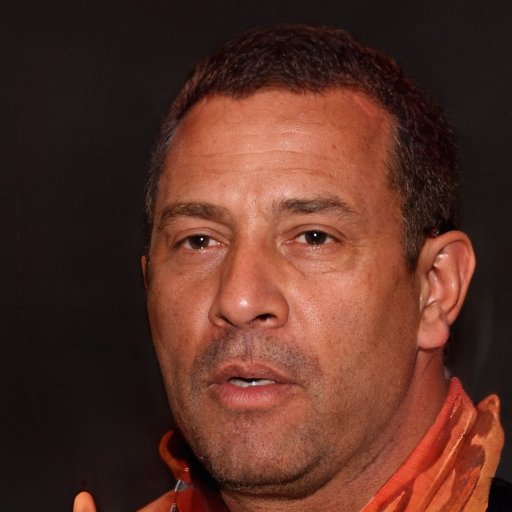
Michael Gero is a licensed property recovery expert with over 20 years of hands-on experience in the disaster restoration industry. As a veteran specialist, Michael is recognized for his technical mastery and commitment to structural integrity, helping residential and commercial clients navigate complex mitigation projects while ensuring every site meets rigorous safety and environmental standards.
𝗖𝗲𝗿𝘁𝗶𝗳𝗶𝗰𝗮𝘁𝗶𝗼𝗻𝘀: Michael is highly credentialed through the IICRC, holding advanced certifications in Water Damage Restoration (WRT), Mold Remediation (AMRT), Applied Structural Drying (ASD), Odor Control (OCT), and Fire and Smoke Restoration (FSRT).
𝗙𝗮𝘃𝗼𝗿𝗶𝘁𝗲 𝗣𝗮𝘀𝘁𝗶𝗺𝗲: An avid outdoorsman and classic car enthusiast, Michael enjoys spending his weekends restoring vintage engines and exploring scenic hiking trails with his family.
𝗕𝗲𝘀𝘁 𝗣𝗮𝗿𝘁 𝗼𝗳 𝘁𝗵𝗲 𝗝𝗼𝗯: Michael finds the most fulfillment in providing a sense of stability. He prides himself on being a steady, empathetic guide for families during crises, transforming a site of devastation back into a safe, comfortable sanctuary.