Trusted by 150+ Homeowners
What Is Psychrometrics In Water Damage Restoration?
- Over 150 5-Star Reviews
- Free Estimates and Quotes
- 100% Satisfaction Guaranteed
- Child, Family & Pet Safe Steps
- 24-Hour Emergency Service
- Fully Licensed & Insured

Psychrometrics is the science of understanding air properties, especially temperature, humidity, and moisture. In water damage restoration, it’s essential for drying efficiently and preventing mold.
By measuring and controlling these elements, restoration professionals can ensure your property dries properly and safely, avoiding long-term issues like structural damage or health risks.
TL;DR:
- Psychrometrics studies air’s temperature, humidity, and moisture content.
- It’s key in water damage restoration for effective drying.
- Professionals use psychrometric data to speed up drying and prevent mold.
- Understanding these principles helps avoid hidden damage and health hazards.
- Proper drying ensures your home is safe and healthy again.
What Is Psychrometrics in Water Damage Restoration?
You might be wondering what psychrometrics has to do with your flooded basement or leaky pipe. It sounds like a science class you might have forgotten! But in the world of water damage restoration, it’s a super important tool.
The Science of Drying
At its core, psychrometrics is about the relationship between air and water. It looks at how temperature, humidity, and dew point interact. Think of it like this: warm air can hold more moisture than cold air. This basic principle guides how we dry out your home.
Restoration experts use specialized equipment to measure these conditions. They then use this data to create the ideal environment for drying. This helps speed up the process and ensures that even hard-to-reach areas dry out completely. It’s about getting your home back to normal, faster and more effectively.
Temperature and Humidity: A Balancing Act
When water damages your home, moisture gets into everything. This raises the humidity levels. Psychrometrics helps us understand how much moisture is in the air and how to remove it. We adjust the temperature and airflow to encourage water to evaporate from your belongings and building materials.
This controlled environment is key to preventing secondary damage. Without it, you could end up with mold growth or warped wood. Understanding these factors is part of the restoration steps homeowners should know to protect their property.
Why Psychrometrics Matters for Your Home
When water invades your home, it doesn’t just sit on the surface. It can seep into walls, floors, and furniture, creating hidden damage after moisture exposure. Psychrometrics helps us tackle this unseen enemy.
By carefully monitoring and manipulating the air, we can ensure that all that absorbed moisture is drawn out. This prevents materials from degrading and stops mold from taking root. It’s a critical step in thorough water damage repair.
The Goal: Dry, Safe, and Healthy
The ultimate aim of using psychrometrics is to return your home to its pre-loss condition. This means not just removing standing water, but also ensuring everything is dried to safe moisture levels. It’s about safeguarding your health and the structural integrity of your home.
This scientific approach is what separates a quick fix from a proper restoration. It ensures that the drying process is complete and effective. It’s all about getting your home back to a safe and healthy living environment.
How Professionals Use Psychrometrics
So, how do restoration pros actually use this science? They employ specific tools and strategies based on psychrometric principles. It’s a systematic process designed for maximum efficiency.
Measuring the Air’s Capacity
First, they use devices called hygrometers or psychrometers to measure the air’s relative humidity and temperature. These tools give them a baseline understanding of the moisture problem. They can then calculate the dew point, which is the temperature at which air becomes saturated with moisture.
Knowing the dew point is essential. It tells them how much moisture the air can still absorb. This data is crucial for deciding the next steps in the drying process. It’s a key part of the drying strategy.
Controlling the Environment
Based on the measurements, they’ll use equipment like air movers and dehumidifiers. Air movers help circulate air to speed up evaporation. Dehumidifiers remove moisture from the air. Professionals adjust these machines to create specific drying conditions.
For example, they might lower the temperature to make the air drier. Or, they might increase airflow to help evaporate moisture from surfaces. This careful control ensures that drying happens as quickly and safely as possible. This is crucial for preventing mold growth and structural issues.
The Role of Dehumidifiers
Dehumidifiers are the workhorses of psychrometric drying. They pull moisture out of the air, lowering the humidity. This makes the air more receptive to absorbing more water from your wet materials.
There are different types of dehumidifiers. Some are better suited for cooler temperatures, while others work best in warmer conditions. A professional restoration company will choose the right equipment for your specific situation. This ensures the most efficient drying possible.
Air Movers for Enhanced Evaporation
Air movers, or fans, are used to create airflow across wet surfaces. This increased circulation helps to speed up the evaporation process. Think of it like fanning yourself on a hot day; it helps you feel cooler by evaporating sweat faster.
In a water-damaged home, air movers help lift moisture out of materials and into the air. This moisture is then collected by the dehumidifiers. This two-pronged approach is a powerful way to dry your home.
Preventing Mold and Secondary Damage
One of the biggest concerns after water damage is the potential for mold growth. Mold needs moisture, warmth, and a food source (like wood or drywall) to thrive. Psychrometrics plays a vital role in stopping it before it starts.
The Mold Connection
Mold can begin to grow within 24-48 hours if conditions are right. If water damage isn’t addressed quickly and thoroughly, mold can become a serious problem. It can damage your property and pose serious health risks to occupants.
By using psychrometric principles to dry your home rapidly and completely, restoration professionals remove the moisture mold needs to survive. This is a key reason why calling for professional help promptly is so important. It’s about preventing further property damage.
Protecting Your Belongings
Beyond the structure of your home, water damage can affect your possessions. Furniture, documents, and other items can absorb moisture and become damaged or develop mold. Understanding psychrometrics helps in the careful drying of these items.
Professionals use controlled drying environments to restore items whenever possible. This might involve specialized drying chambers or careful manipulation of air conditions. It’s all part of saving belongings after a disaster and ensuring they are properly cleaned.
When Storm Water Enters the Property
When dealing with issues like flooding from heavy rain or burst pipes, the amount of water can be overwhelming. If you experience storm water entering the property, it’s crucial to have a plan.
The principles of psychrometrics are applied even more intensely in these situations. Drying out a severely water-damaged home requires precise control over the environment. Professionals use advanced techniques and equipment to manage these large-scale drying projects.
The Stages of Drying
Water damage restoration typically follows several stages. These include assessment, water removal, drying, and restoration. Psychrometrics is central to the drying stage. It ensures that the water removal efforts are effective in the long run.
Understanding what are the stages of flood damage restoration can help you know what to expect. The drying phase, guided by psychrometrics, is often the most time-consuming but is vital for a successful outcome.
Assessing the Damage Accurately
Before any drying begins, a thorough assessment is necessary. This involves identifying the source of the water, the extent of the damage, and the types of materials affected. Professionals use tools like moisture meters, thermal imaging cameras, and their understanding of psychrometrics to gauge the full impact.
This detailed assessment helps them create a customized drying plan. It also helps in documenting the damage, which is important for insurance purposes. Knowing how do restoration companies document water damage can provide peace of mind.
A Checklist for Water Damage Preparedness
Being prepared for water damage can make a big difference. Here are a few steps you can take:
- Identify potential water sources in your home.
- Know where your main water shut-off valve is.
- Keep important documents in a waterproof container.
- Have a list of emergency contacts, including a restoration company.
- Regularly inspect your home for early signs of leaks.
Taking these steps can help you respond more effectively if disaster strikes. It’s about being ready to act before it gets worse.
Conclusion
Psychrometrics might sound technical, but its application in water damage restoration is straightforward: it’s the science that ensures your home dries correctly, safely, and efficiently. By understanding and manipulating air temperature, humidity, and moisture content, restoration professionals can prevent further damage, stop mold growth, and protect your health and property. When water damage occurs, relying on experts who understand these principles is key to a successful recovery. Tucson Restoration Aider uses these scientific methods to help you recover from water damage, aiming to restore your home to its pre-loss condition.
How is humidity measured?
Humidity is measured using instruments called hygrometers or psychrometers. These devices measure the amount of water vapor in the air, often expressed as relative humidity (the percentage of moisture the air is holding compared to its maximum capacity at that temperature).
Can you speed up the drying process with science?
Yes, absolutely! Psychrometrics provides the scientific basis for speeding up drying. By controlling temperature, humidity, and airflow with specialized equipment like dehumidifiers and air movers, professionals can significantly accelerate the evaporation of moisture from your home.
What is dew point and why is it important?
Dew point is the temperature at which air becomes saturated with moisture and condensation begins to form. In water damage restoration, knowing the dew point helps professionals understand how much more moisture the air can absorb, guiding their drying strategies.
How does temperature affect drying?
Warmer air can hold more moisture than cooler air. Restoration professionals can adjust the temperature of the air to influence the rate of evaporation. Sometimes, slightly warmer air with controlled humidity and good airflow is best for drying.
What is the difference between mitigation and restoration?
Water damage mitigation focuses on immediate actions to stop further damage and prevent issues like mold, often involving water extraction and initial drying. Water damage restoration is the broader process of repairing and rebuilding the affected areas to their original condition, which includes thorough drying informed by psychrometrics. It’s important to understand the difference between water damage mitigation vs water damage restoration.
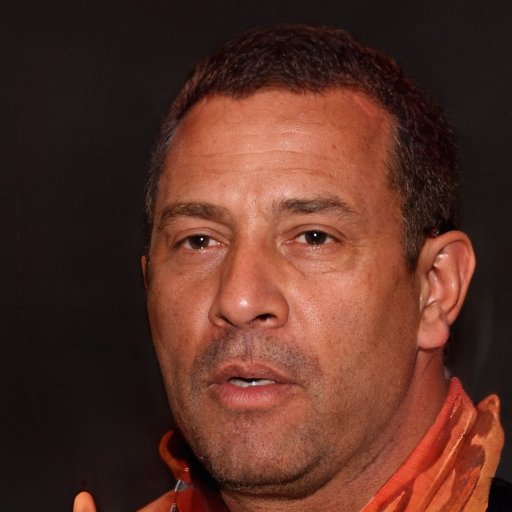
Michael Gero is a licensed property recovery expert with over 20 years of hands-on experience in the disaster restoration industry. As a veteran specialist, Michael is recognized for his technical mastery and commitment to structural integrity, helping residential and commercial clients navigate complex mitigation projects while ensuring every site meets rigorous safety and environmental standards.
𝗖𝗲𝗿𝘁𝗶𝗳𝗶𝗰𝗮𝘁𝗶𝗼𝗻𝘀: Michael is highly credentialed through the IICRC, holding advanced certifications in Water Damage Restoration (WRT), Mold Remediation (AMRT), Applied Structural Drying (ASD), Odor Control (OCT), and Fire and Smoke Restoration (FSRT).
𝗙𝗮𝘃𝗼𝗿𝗶𝘁𝗲 𝗣𝗮𝘀𝘁𝗶𝗺𝗲: An avid outdoorsman and classic car enthusiast, Michael enjoys spending his weekends restoring vintage engines and exploring scenic hiking trails with his family.
𝗕𝗲𝘀𝘁 𝗣𝗮𝗿𝘁 𝗼𝗳 𝘁𝗵𝗲 𝗝𝗼𝗯: Michael finds the most fulfillment in providing a sense of stability. He prides himself on being a steady, empathetic guide for families during crises, transforming a site of devastation back into a safe, comfortable sanctuary.