Trusted by 150+ Homeowners
How Is Water Damage In A High-rise Building Addressed?
- Over 150 5-Star Reviews
- Free Estimates and Quotes
- 100% Satisfaction Guaranteed
- Child, Family & Pet Safe Steps
- 24-Hour Emergency Service
- Fully Licensed & Insured

Water damage in a high-rise building is addressed by identifying the source, containing the spread, and performing thorough drying and restoration. Expert teams use specialized equipment to mitigate damage quickly.
Addressing water damage in a high-rise requires a swift, coordinated effort to prevent further structural issues and health hazards. The process involves immediate containment, advanced drying techniques, and careful reconstruction.
TL;DR:
- Identify the water source and stop it immediately.
- Contain the water to prevent spreading to other areas.
- Remove standing water and begin drying affected materials.
- Address mold prevention and structural integrity.
- Restore damaged areas to their pre-loss condition.
How Is Water Damage in a High-Rise Building Addressed?
Water damage in high-rise buildings presents unique challenges. Gravity plays a big role, as water can travel down through floors and walls. This means a leak on one floor can affect many others below. Understanding the specific nature of high-rise water damage is key to effective restoration.
Immediate Steps for High-Rise Water Damage
When water damage occurs in a high-rise, the first priority is always stopping the water flow. This might involve shutting off a main water line or fixing a burst pipe. Quick action is essential to minimize the extent of the damage.
Next, containment is critical. Professionals will use barriers to prevent water from spreading further into unaffected areas. This is especially important in multi-unit buildings to protect neighboring residences or businesses.
Identifying the Source
Finding the exact source of the water is paramount. It could be anything from a plumbing issue to a roof leak or even a sprinkler system malfunction. Sometimes, the source is not obvious, and a thorough investigation is needed. We found that many leaks start small and go unnoticed for some time.
Water Extraction and Removal
Once the source is stopped, the immediate task is to remove all standing water. This is typically done using powerful submersible pumps and wet-dry vacuums. The faster this water is removed, the less time it has to saturate building materials.
Drying and Dehumidification
After the bulk of the water is gone, the drying process begins. This is a multi-stage effort. Industrial-grade air movers are used to circulate air and speed up evaporation from surfaces. Dehumidifiers are essential to pull moisture out of the air, preventing secondary damage.
The goal is to reduce humidity levels to normal ranges. This might take several days, depending on the severity of the water intrusion. It’s vital to dry out all affected materials completely.
What Is Wicking?
You might wonder how water travels through solid materials. This is often due to a process called wicking. Wicking is when water is drawn up into porous materials like drywall or insulation. We found that understanding what is wicking in water-damaged building materials is crucial for complete restoration.
Materials like concrete and wood can wick moisture upwards. This can lead to hidden damage after moisture exposure. The drying process must address these wicking effects to prevent future problems like mold growth.
Mold Prevention and Remediation
Mold can begin to grow within 24-48 hours after water exposure. It thrives in damp, dark environments. Therefore, proactive mold prevention is a key part of water damage restoration. Thorough drying is the first line of defense.
If mold is already present, it requires specialized remediation. This involves safely removing mold-infested materials and treating affected areas. Ignoring mold can lead to serious health risks for occupants.
Structural Drying and Monitoring
Restoration professionals use specialized equipment to monitor moisture levels. They use tools like moisture meters and thermal imaging cameras. This ensures that even hidden moisture within walls or under floors is detected and dried. This detailed approach is critical for preventing long-term structural issues.
Restoration and Reconstruction
Once everything is dry and mold-free, the restoration phase begins. This involves repairing or replacing damaged building materials. This could include drywall, flooring, insulation, and even structural components if the damage was severe.
For commercial properties, minimizing downtime is a major concern. Effective restoration planning for business properties can help get operations back to normal faster. The aim is to return the building to its original, safe condition.
Dealing with Different Types of Water
Not all water is the same. Category 1 water is clean. Category 2 is greywater, which is contaminated. Category 3 is blackwater, which is highly unsanitary. The type of water dictates the cleaning and remediation methods used. Dealing with blackwater requires strict safety protocols.
Challenges in High-Rise Buildings
Access can be a challenge in high-rise buildings. Moving equipment and materials up many floors takes time and planning. Also, coordinating with building management and tenants is essential. Understanding who is responsible for water damage in an apartment building can be complex.
The interconnectedness of building systems also poses a risk. A problem on one floor could affect plumbing or electrical systems on others. This makes a comprehensive assessment vital.
Preventing Future Water Damage
Regular maintenance is key to preventing water damage. This includes inspecting pipes, checking seals around windows and doors, and maintaining the roof. In areas prone to severe weather, being prepared for storm water entering the property is also important.
When Severe Weather Strikes
High winds can cause significant damage, leading to water intrusion. Understanding why high winds cause more damage to older homes can help in assessing risks. After severe weather events, a thorough inspection is recommended.
The Role of Professional Restoration Services
Water damage restoration is not a DIY job, especially in a high-rise. Professionals have the training, equipment, and experience to handle complex situations. They can identify all affected areas, including hidden damage after moisture exposure. They also ensure the job is done safely and effectively.
For example, if a vehicle hits a building, the restoration process is extensive. This involves assessing structural integrity and repairing significant damage. You can learn more about what is the restoration process after a vehicle hits a building to see the scale of professional intervention.
Checklist for High-Rise Water Damage Response
- Identify and stop the water source immediately.
- Contain the water to prevent spreading.
- Remove standing water quickly.
- Begin thorough drying and dehumidification.
- Monitor for and address mold growth.
- Perform professional structural drying and assessment.
- Complete necessary repairs and restoration.
Comparing Drying Methods
Different situations call for different drying techniques. Here’s a general comparison:
| Method | Description | Best For |
|---|---|---|
| Air Movers | Circulate air to speed evaporation. | Surface drying, speeding up evaporation. |
| Dehumidifiers | Remove moisture from the air. | Lowering ambient humidity, preventing secondary damage. |
| Heated Drying | Uses heat to increase evaporation rates. | Faster drying in cooler environments. |
| Injectidry Systems | Pushes dry air into cavities like walls. | Drying behind walls and under floors. |
Conclusion
Water damage in a high-rise building requires a systematic and expert approach. From immediate containment to thorough drying and reconstruction, every step is vital to restoring the property and ensuring the safety of its occupants. If you’re facing water damage in your high-rise, getting professional help quickly is the best course of action. Tucson Restoration Aider has the expertise and equipment to manage these complex situations effectively, helping you return your property to normal as swiftly as possible.
What is the first thing to do when water damage is discovered?
The very first thing you should do is identify and stop the source of the water. If you can safely do so, turn off the main water supply or fix the leak. If you cannot, or if it involves a major pipe, call a professional right away.
How long does it take to dry out a high-rise?
The drying process can take anywhere from a few days to several weeks. It depends heavily on the extent of the water damage, the materials affected, and the drying methods used. Prompt action is crucial to shorten this timeline.
Can water damage in a high-rise cause structural problems?
Yes, absolutely. Prolonged exposure to moisture can weaken structural components like beams and supports. It can also lead to mold growth within walls, which can compromise the building’s integrity over time. Don not wait to get help if you suspect structural issues.
Is it safe to stay in a building with water damage?
It depends on the severity and type of water damage. If the water is contaminated (greywater or blackwater), or if there’s a risk of mold growth or electrical hazards, it may not be safe. Prioritize your safety and consult with restoration experts.
What is the role of building management in water damage?
Building management is typically responsible for addressing issues within common areas and the building’s main infrastructure. They coordinate with restoration professionals and inform residents. For damage within individual units, responsibility can vary, making it important to understand your lease or building policies.
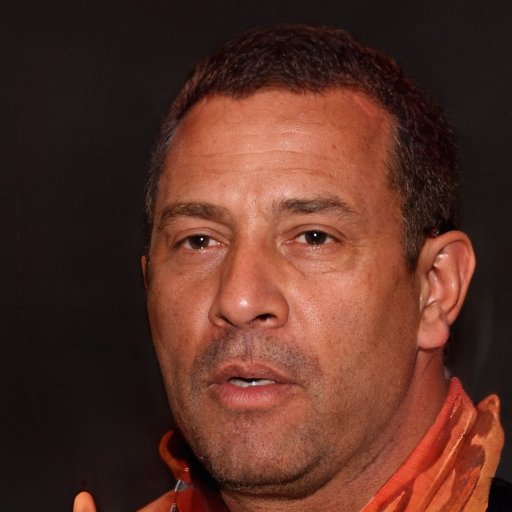
Michael Gero is a licensed property recovery expert with over 20 years of hands-on experience in the disaster restoration industry. As a veteran specialist, Michael is recognized for his technical mastery and commitment to structural integrity, helping residential and commercial clients navigate complex mitigation projects while ensuring every site meets rigorous safety and environmental standards.
𝗖𝗲𝗿𝘁𝗶𝗳𝗶𝗰𝗮𝘁𝗶𝗼𝗻𝘀: Michael is highly credentialed through the IICRC, holding advanced certifications in Water Damage Restoration (WRT), Mold Remediation (AMRT), Applied Structural Drying (ASD), Odor Control (OCT), and Fire and Smoke Restoration (FSRT).
𝗙𝗮𝘃𝗼𝗿𝗶𝘁𝗲 𝗣𝗮𝘀𝘁𝗶𝗺𝗲: An avid outdoorsman and classic car enthusiast, Michael enjoys spending his weekends restoring vintage engines and exploring scenic hiking trails with his family.
𝗕𝗲𝘀𝘁 𝗣𝗮𝗿𝘁 𝗼𝗳 𝘁𝗵𝗲 𝗝𝗼𝗯: Michael finds the most fulfillment in providing a sense of stability. He prides himself on being a steady, empathetic guide for families during crises, transforming a site of devastation back into a safe, comfortable sanctuary.