Green Valley, AZ · Pima County
Temperature-Controlled Drying in Green Valley, AZDrying Equipment Deployment & Humidity Control For Restoration
In Green Valley, Temperature-Controlled Drying from local moisture control experts includes rapid structural drying services, drying equipment deployment, and water damage drying logs for documented recovery.
Answered 24/7
Targeted Temperature-Controlled Drying for Properties in Green Valley
In Green Valley, structural drying aims to bring materials back to their normal moisture level. Low humidity in the drying area helps pull moisture out of dense materials.
In Green Valley and nearby Sahuarita, Arivaca Junction and Amado, local pros map moisture in walls and subfloors, then fit thermal drying and humidity control to the materials in the building.
Temperature-Controlled Drying Methods Available in Green Valley
Drying Equipment Deployment
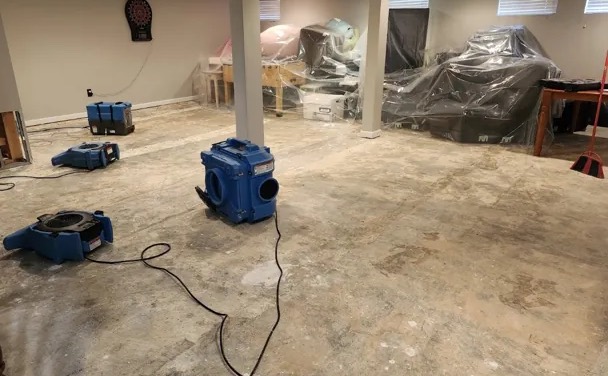
Pros set up drying machines with safe power, condensate drainage and placement based on the moisture map.
Humidity Control for Restoration
Dehumidifiers lower the dew point in the affected area, so materials give up their moisture more easily.
Thermal Drying for Water Damage
Local moisture control experts apply thermal energy to enhance air mover and dehumidifier effectiveness. This lowers relative humidity, creating a stronger force to pull moisture from materials.
Rapid Structural Drying Services
Fast structural drying uses high-velocity air movers, industrial dehumidifiers and sometimes heat, so families in Green Valley can return home sooner and mold does not start.
Moisture Mapping
The experts take regular moisture readings throughout the project. This monitoring verifies equipment performance and guides strategy adjustments.
Signs You Need Professional Temperature-Controlled Drying in Green Valley
Equipment Running With No Result
Fans or dehumidifiers that run for days without drying the area mean the moisture is deeper than household equipment can reach.
Discoloration on Drywall or Ceilings
Yellow or brown water stains appear on surfaces that seem dry. These stains suggest moisture is still present inside the wall cavity.
Warping of Wood Floors or Trim
Floorboards begin to cup, buckle, or separate at the seams. This warping is a direct result of excessive, uneven moisture content.
Damp Odors Persisting After Water
A musty smell lingers even after visible water is gone, indicating hidden moisture. That odor often signals mold or trapped dampness.
How Temperature-Controlled Drying Works in Green Valley
Step 1: Establishing the Drying Environment
The first step involves preparing the area by removing debris and setting up containment if needed.
Step 2: Implementing the Drying Array
Air movers and dehumidifiers are paired in a planned layout to dry walls and floors.
Step 3: Executing Temperature-Controlled Drying
The system executes temperature-controlled drying, maintaining ideal conditions to draw moisture out of materials.
Step 4: Final Verification and Documentation
Final verification compares moisture readings in affected materials to known dry standards in the home.
Causes of Persistent Dampness Requiring Controlled Drying in Green Valley
Roof Leak During Heavy Rain
Wind-driven rain through a damaged roof or flashing can run down inside wall cavities, where it needs targeted drying.
Foundation Cracks and Seepage
Hydrostatic pressure forces groundwater through cracks in the foundation wall. This seepage creates a constant dampness that challenges standard drying technology.
Storm-Driven Water Intrusion
Heavy rain overflows gutters or gets in around windows and soaks framing and insulation.
Sprinkler System Activation
A fire sprinkler discharges, releasing a large volume of water quickly. This event saturates entire areas and requires precise air mover placement and strategy.
Whole-Property Temperature-Controlled Drying in Green Valley
Residential Temperature-Controlled Drying
At home, the pros dry wall cavities, subfloors and belongings with air movers and dehumidifiers, and keep drying logs for your insurance review.
Commercial Temperature-Controlled Drying
For businesses, rapid drying minimizes downtime and protects inventory, equipment, and building integrity. Large-scale drying systems are implemented to address moisture in offices, retail spaces, and warehouses.
Temperature-Controlled Drying vs. DIY Drying in Green Valley
A home's HVAC on 'fan only' mode can circulate air, but it is not a substitute for professional drying. A wet-dry vacuum can remove standing water from a very localized incident.
Cost Considerations for Temperature-Controlled Drying in Green Valley
In Green Valley, cost depends on how complex the moisture mapping is and how much equipment the area needs.
Structural Material Types
Porous materials like concrete or dense wood require more aggressive drying strategies and extended monitoring, influencing the project timeline and cost.
Documentation Requirements
Detailed drying logs and moisture reports for insurance take extra time to prepare.
Drying Time Required
Longer drying periods for climate-controlled systems mean more equipment runtime and monitoring, impacting the overall cost of the restoration project.
Does Insurance Cover Temperature-Controlled Drying?
Whether insurance pays for thermal drying for water damage depends on your policy's specific language and the cause of loss. The pros meticulously record moisture levels and drying progress to create a verifiable log for your adjuster.
Selecting Moisture Control Experts for Temperature-Controlled Drying in Green Valley
Comprehensive Drying Logs
Detailed, chronological logs of moisture readings and equipment settings provide a transparent record of the entire temperature-controlled drying process.
Strategic Equipment Deployment
Air movers and dehumidifiers are placed according to a plan for even airflow and low humidity.
Climate-Controlled Drying Systems
Heat and humidity are kept at set levels so materials dry faster without cracking or warping.
24/7 Emergency Temperature-Controlled Drying in Green Valley
Stop water damage from getting worse while materials sit wet. Call (520) 286-8912 24/7 for drying help from local pros in Green Valley.
Call Now (520) 286-8912Temperature-Controlled Drying for Green Valley and Surrounding Regions
Climate-controlled and thermal drying are available in Green Valley and surrounding places including Sahuarita, Arivaca Junction and Amado.
- Temperature-Controlled Drying in Sahuarita
- Temperature-Controlled Drying in Arivaca Junction
- Temperature-Controlled Drying in Amado
- Temperature-Controlled Drying in Summit
- Temperature-Controlled Drying in Tubac
- Temperature-Controlled Drying in Tumacacori-Carmen
- Temperature-Controlled Drying in Vail
- Temperature-Controlled Drying in Rio Rico
- Emergency Damage Restoration in 85614
- Storm Damage Restoration in 85614
- Water Damage Restoration in 85614
- Water Extraction Service in 85614
- Water Leak Detection in 85614
- Water Removal Service in 85614
- Emergency Damage Restoration in 85622
- Storm Damage Restoration in 85622
Frequently Asked Questions About Temperature-Controlled Drying
What is the difference between air movers and dehumidifiers?
Air movers evaporate moisture from surfaces into the air, and dehumidifiers pull it back out of the air.
Can rapid drying technology dry a property too quickly?
Yes, excessive heat or airflow can cause surface crusting, cracking, or other material stress, which is why professional drying balances speed with material-specific safety limits.
What is the strategy behind air mover placement?
They are angled to move air across wet surfaces in a pattern, so moisture evaporates into the air where dehumidifiers can capture it.
What does drying equipment deployment involve?
Pros assess the loss, calculate how much equipment is needed and place air movers, dehumidifiers and sometimes heaters.
What should a property owner do while waiting for help with drying?
If safe, remove obvious standing water with a mop or towels, move dry contents away from the wet area, and avoid using household fans which can spread contaminants.