Tubac, AZ · Santa Cruz County
Temperature-Controlled Drying in Tubac, AZClimate-Controlled Drying Systems & Water Damage Drying Logs
For Temperature-Controlled Drying in Tubac, local moisture control experts handle thermal drying for water damage, humidity control for restoration, and drying equipment deployment to prevent mold.
Answered 24/7
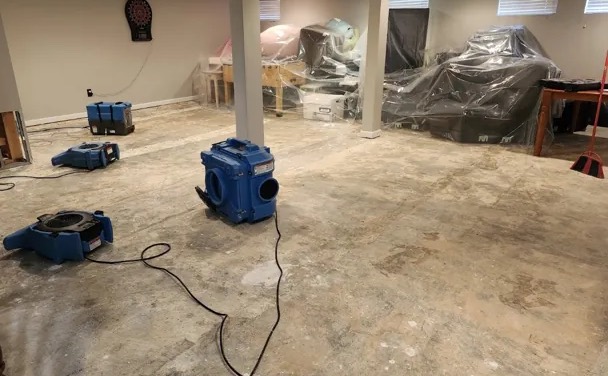
Professional Temperature-Controlled Drying in Tubac, AZ
In Tubac, water trapped in subfloors, wall cavities or behind cabinets dries slowly because the air there does not move.
In Tubac and nearby Tumacacori-Carmen, Amado and Arivaca Junction, local pros map moisture in walls and subfloors, then fit thermal drying and humidity control to the materials in the building.
Specialized Temperature-Controlled Drying Offerings in Tubac, AZ
Climate-Controlled Drying Systems
Local moisture control experts set up systems that control temperature, humidity and airflow together, adjusting them as moisture readings change.
Water Damage Drying Logs
The experts create detailed, timestamped drying logs. These records track initial readings, daily progress, and final verification, providing proof that industry-standard drying was followed.
Rapid Structural Drying Services
The experts aim air movers at wet studs, joists and subfloors to dry the structure as fast as it safely can be dried.
Moisture Mapping
Moisture mapping uses penetrating and non-penetrating meters to document water migration. This creates a blueprint of wet areas, including hidden moisture behind walls.
Drying Equipment Deployment
Pros set up drying machines with safe power, condensate drainage and placement based on the moisture map.
Signs You Need Professional Temperature-Controlled Drying in Tubac
Cold, Damp Feeling in a Room
A room feels noticeably colder and damper than the rest of the house. This sensation is often due to evaporative cooling from wet materials.
Equipment Running With No Result
Fans or dehumidifiers that run for days without drying the area mean the moisture is deeper than household equipment can reach.
High Humidity Readings Inside
A hygrometer showing unusually high indoor humidity after water damage means the building is still wet.
Discoloration on Drywall or Ceilings
Yellow or brown water stains appear on surfaces that seem dry. These stains suggest moisture is still present inside the wall cavity.
How Temperature-Controlled Drying Works in Tubac
Step 1: Site Evaluation and Equipment Planning
The pros evaluate the site to determine the type and quantity of drying tools needed.
Step 2: Drying Equipment Setup
Industrial air movers and dehumidifiers are set up in the affected zones right away.
Step 3: Controlled Humidity Management
Dehumidifiers pull moist air out of the room, which keeps the air dry enough for materials to keep drying.
Step 4: Progress Tracking With Drying Logs
Temperature, humidity and moisture readings are recorded each day in a drying log.
Typical Reasons for Drying Needs in Tubac
Appliance Malfunction or Overflow
A failed washing machine hose, water heater or dishwasher can release many gallons onto the floor.
Poor Ventilation After a Flood
Closing up a wet room traps humid air, which slows drying and lets moisture soak further into materials.
Overflowing Sinks or Bathtubs
A simple blockage or forgetfulness leads to an overflow event. Water spreads quickly, soaking cabinetry and flooring, and requires thorough drying equipment deployment.
Storm-Driven Water Intrusion
Heavy rain overflows gutters or gets in around windows and soaks framing and insulation.
Residential & Commercial Temperature-Controlled Drying in Tubac
Residential Temperature-Controlled Drying
In condos and apartments, containment barriers and negative air machines keep moisture from moving into neighboring units while drying runs.
Commercial Temperature-Controlled Drying
Restaurants and food service businesses need rapid, sanitary drying to comply with health regulations after a water event. The pros use specialized equipment and antimicrobial treatments during the drying process.
Choosing Between DIY and Moisture Control Experts for Temperature-Controlled Drying in Tubac
Moisture from a leak may seem surface-dry, but it often remains deep within materials. You can use a moisture meter from a hardware store to check for obvious dampness in drywall or wood. Interpreting these readings and executing the rapid drying needed to prevent mold requires the expertise and commercial-grade equipment of the specialists in Tubac.
Factors in Temperature-Controlled Drying Pricing for Tubac, AZ
In Tubac, the cost depends on how much drying equipment is used and how long it runs, plus the moisture readings taken along the way.
Access and Logistics
Challenging site access in Tubac can complicate equipment deployment and placement, potentially increasing setup time and labor requirements.
Structural Material Types
Porous materials like concrete or dense wood require more aggressive drying strategies and extended monitoring, influencing the project timeline and cost.
Drying Time Required
Longer drying periods for climate-controlled systems mean more equipment runtime and monitoring, impacting the overall cost of the restoration project.
Does Insurance Cover Temperature-Controlled Drying?
Insurance may help pay for drying if the cause is a covered loss. Pros provide moisture maps and equipment records for your insurer, which makes the coverage decision.
Benefits of Local Moisture Control Experts for Temperature-Controlled Drying in Tubac
Strategic Equipment Deployment
Air movers and dehumidifiers are placed according to a plan for even airflow and low humidity.
Comprehensive Drying Logs
Detailed, chronological logs of moisture readings and equipment settings provide a transparent record of the entire temperature-controlled drying process.
Structural Drying
The focus is on quickly extracting moisture from structural components to minimize warping, swelling, or the potential for mold growth.
Emergency Temperature-Controlled Drying Response for Tubac, AZ
Don't let moisture settle in. For emergency deployment of drying equipment and strategic air mover placement to start controlled drying, reach the experts directly at (520) 286-8912, available 24/7.
Call Now (520) 286-8912Temperature-Controlled Drying for Tubac and Surrounding Regions
Climate-controlled and thermal drying are available in Tubac and surrounding places including Tumacacori-Carmen, Amado and Arivaca Junction.
- Temperature-Controlled Drying in Tumacacori-Carmen
- Temperature-Controlled Drying in Amado
- Temperature-Controlled Drying in Arivaca Junction
- Temperature-Controlled Drying in Rio Rico
- Temperature-Controlled Drying in Green Valley
- Temperature-Controlled Drying in Nogales
- Temperature-Controlled Drying in Patagonia
- Temperature-Controlled Drying in Sahuarita
- Emergency Damage Restoration in 85646
- Storm Damage Restoration in 85646
- Water Damage Restoration in 85646
- Water Extraction Service in 85646
- Water Leak Detection in 85646
- Water Removal Service in 85646
Your Temperature-Controlled Drying Questions Addressed
What is the difference between air movers and dehumidifiers?
Air movers evaporate moisture from surfaces into the air, and dehumidifiers pull it back out of the air.
Can rapid drying technology dry a property too quickly?
Yes, excessive heat or airflow can cause surface crusting, cracking, or other material stress, which is why professional drying balances speed with material-specific safety limits.
Is temperature-controlled drying safe for electronics or artwork?
Yes, when the pros use low heat and careful humidity control, it can be safe for drying sensitive materials and belongings.
When is climate-controlled drying necessary versus regular drying?
Climate-controlled drying is necessary for severe losses, sensitive materials, or when precise environmental control is needed to prevent damage, unlike simple air drying for minor spills.
Can temperature-controlled drying prevent mold growth?
By rapidly removing moisture and controlling humidity, the process creates an environment where mold cannot thrive, significantly reducing the potential for mold.